
Mastering the 220kW Boiler Combustion Fan: Efficiency, Maintenance, and Optimization
Table of Contents
- Introduction to the 220kW Boiler Combustion Fan
- How a 220kW Boiler Combustion Fan Works
- Key Performance Metrics and Specifications
- Common Applications and Industry Use Cases
- Frequently Asked Questions (FAQ)
- Optimization Strategies for Maximum Efficiency
- Maintenance Best Practices to Extend Lifespan
- Troubleshooting Common Issues
- Future Trends and Technological Advancements
- Conclusion and Expert Recommendations
Introduction to the 220kW Boiler Combustion Fan
In the world of industrial combustion systems, the 220kW boiler combustion fan stands as a critical component for ensuring optimal air delivery, fuel efficiency, and emission control. Whether you are managing a large-scale power plant, a chemical processing facility, or a district heating system, understanding the role of this high-powered fan is essential for both operational safety and cost management.
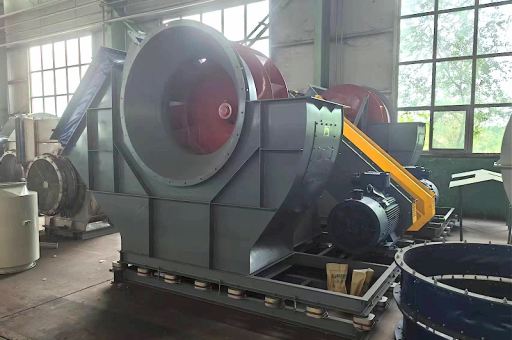
A combustion fan, also known as a forced draft (FD) fan or induced draft (ID) fan depending on its placement, provides the necessary airflow to support the combustion process. The 220kW rating indicates a fan capable of delivering substantial air volume and pressure, typically used in boilers with heat outputs ranging from 50 to 100 MW. This article combines insights from industry experts, technical manuals, and real-world case studies to deliver a comprehensive guide.
Did you know? A 220kW combustion fan operating at full capacity can move over 300,000 cubic meters of air per hour, equivalent to filling an Olympic-sized swimming pool in under 10 seconds.
How a 220kW Boiler Combustion Fan Works
The fundamental principle of a boiler combustion fan is to supply oxygen to the burner while maintaining proper furnace pressure. In a typical setup, the 220kW fan draws ambient air, passes it through a filter or silencer, and forces it into the burner windbox. The air is then mixed with fuel (natural gas, coal, oil, or biomass) to create a stable flame.
The Air-Fuel Ratio Control
Modern combustion fans are integrated with variable frequency drives (VFDs) and control systems that modulate fan speed based on boiler load demand. For example, during low-load conditions, the fan may operate at 60% of its rated power, saving significant energy. The 220kW fan is designed to handle both constant and variable speed operations, making it versatile for dynamic industrial environments.
Pressure and Flow Characteristics
- Static Pressure: Typically ranges from 3000 to 6000 Pa (12–24 in. w.g.) depending on duct resistance.
- Airflow Rate: Between 150,000 and 350,000 m³/h at full load.
- Efficiency: Modern high-efficiency fans achieve 85–92% total efficiency under design conditions.
Key Performance Metrics and Specifications
When selecting or evaluating a 220kW boiler combustion fan, several technical parameters must be considered to ensure compatibility with your boiler system.
| Parameter | Typical Range | Why It Matters |
|---|---|---|
| Motor Power | 220 kW (295 HP) | Drives fan at rated capacity |
| Rotational Speed | 970 – 1480 RPM | Determines air velocity and noise |
| Impeller Diameter | 1200 – 1800 mm | Affects pressure and flow capacity |
| Material of Construction | Carbon steel, stainless steel, or alloy | Corrosion resistance in harsh environments |
| Bearings Type | Roller bearings with oil or grease lubrication | Maintenance interval and lifespan |
| Vibration Limit | < 4.5 mm/s RMS | Indicates mechanical balance and health |
Environmental and Safety Standards
- ISO 13732: Heat protection requirements.
- ATEX or IECEx: Certified for explosive atmospheres if handling combustible gases.
- Noise Level: Typically 85–95 dB(A) at 1 meter, requiring acoustic enclosures for indoor installations.
Common Applications and Industry Use Cases
The 220kW combustion fan finds its place in a wide range of industries where high-capacity steam generation is required.
- Power Generation: In coal-fired or gas-fired thermal power plants, these fans supply combustion air to boilers producing steam for turbines.
- Chemical & Petrochemical: Used in reformers, crackers, and auxiliary boilers for process heating.
- District Heating: Large-scale boilers that distribute hot water or steam to residential and commercial buildings.
- Biomass Plants: Fan systems must handle dust, moisture, and variable fuel quality, requiring robust design.
- Cement & Steel: Pre-heaters and calciners rely on forced draft fans for process combustion.
Case Study: A 50 MW biomass boiler in Sweden replaced its aging 250 kW fan with a modern 220kW design, reducing energy consumption by 18% and achieving 30% lower maintenance costs annually.
Frequently Asked Questions (FAQ)
Q1: What is the difference between a forced draft fan and an induced draft fan?
A: A forced draft (FD) fan pushes air into the boiler, while an induced draft (ID) fan pulls flue gases out. The 220kW boiler combustion fan can serve either role depending on system design, but FD fans handle cooler, cleaner air, making them easier to maintain.
Q2: How do I calculate the actual airflow needed for my boiler?
A: Use the formula: Airflow (kg/s) = (Fuel Flow × Stoichiometric Air) × Excess Air Factor. A professional combustion audit is recommended to ensure accurate sizing.
Q3: Can I use a variable frequency drive (VFD) on a 220kW fan?
A: Yes. VFDs are highly recommended for energy savings. A 220kW fan with a VFD can reduce power consumption by 40–60% during partial load operation.
Q4: What are the signs a combustion fan needs repair?
A: Common indicators include unusual vibration, temperature rise at bearings, reduced airflow, excessive noise, and increased motor current.
Q5: What safety considerations are needed for high-power fans?
A: Install vibration monitoring, thermal overload protection, emergency shut-off, and proper guarding. For flammable environments, ensure ATEX-compliant components.
Optimization Strategies for Maximum Efficiency
Optimizing a 220kW boiler combustion fan can yield significant operational savings. Here are proven strategies:
1 Inlet Guide Vanes vs. VFD
- Inlet guide vanes (IGV) adjust airflow by changing the angle of pre-swirl vanes. They are less efficient than VFDs but offer reliability under constant speed.
- VFD control is the gold standard for variable load applications, offering near-linear power reduction with speed.
2 Ductwork Design
- Minimize duct length, sharp bends, and flow obstructions.
- Use computational fluid dynamics (CFD) analysis to reduce pressure losses.
3 Proper Sizing and Load Matching
- Avoid oversizing fans, which leads to throttling losses and premature wear.
- Consider installing multiple fans for better load distribution and redundancy.
4 Regular Air Filter Maintenance
- Clogged filters increase static pressure and reduce fan efficiency. Replace or clean filters based on total pressure drop (not just time interval).
Maintenance Best Practices to Extend Lifespan
A 220kW boiler combustion fan is a significant capital investment. Proper maintenance ensures it operates reliably for 15–20 years.
Weekly Checks
- Inspect for leaks at flanges and seals.
- Listen for abnormal bearing noise.
- Check belt tension (if belt-driven) and alignment.
Monthly Maintenance
- Lubricate bearings as per manufacturer specification.
- Measure and record vibration levels.
- Clean air intake screens and silencers.
Annual Overhaul
- Perform full diagnostic: motor current signature analysis, thermography, and alignment check.
- Replace worn impellers, seals, or bearings.
- Balance the fan rotor to ISO 1940 G6.3 or better.
Pro Tip: Use predictive maintenance tools such as real-time vibration monitoring and oil analysis to detect issues before they cause downtime.
Troubleshooting Common Issues
Despite robust design, 220kW combustion fans can experience operational problems. Here are solutions to common issues.
| Problem | Possible Cause | Solution |
|---|---|---|
| High vibration | Imbalance, bearing wear, or foundation looseness | Check rotor balance, replace bearings, tighten bolts |
| Overheating motor | Overload, poor ventilation, or electrical imbalance | Reduce load, clean motor fins, check voltage phases |
| Low airflow | Duct leakage, damper malfunction, or fan speed drop | Inspect ductwork, repair dampers, check VFD status |
| Noise increase | Cavitation, turbulence, or mechanical looseness | Review duct design, tighten connections, check for debris |
| Bearing failure | Misalignment, contamination, or under-lubrication | Realign shaft, replace seals, adjust lubrication schedule |
Future Trends and Technological Advancements
The 220kW boiler combustion fan market is evolving with the push toward decarbonization and digitalization.
- High-efficiency aerofoils: New impeller designs reduce turbulence and noise while increasing pressure capability.
- Smart sensors: IoT-enabled fans with predictive analytics and remote monitoring.
- Hybrid drive systems: Combining electric motors with hydrogen or synthetic fuels for ultra-low emissions.
- Modular fan platforms: Allowing quick replacement of components to adapt to changing boiler fuels.
Industry Insight: The global industrial fan market is expected to grow at 4.5% CAGR through 2030, driven by retrofits for energy efficiency and stricter emission norms.
Conclusion and Expert Recommendations
The 220kW boiler combustion fan is more than just an air mover—it is a central player in combustion efficiency, operational reliability, and environmental compliance. Whether you are purchasing a new system, optimizing an existing one, or troubleshooting a failure, understanding its engineering principles and maintenance needs is indispensable.
Recommendations from industry experts:
- Invest in a VFD for variable load applications to reduce energy costs by up to 50%.
- Perform vibration analysis quarterly to catch bearing or imbalance issues early.
- Choose fans with corrosion-resistant coatings if operating in high-sulfur or high-moisture environments.
- Keep the fan train clean and ensure all ductwork is leak-free.
- Always maintain a spare bearing set and impeller for emergency replacements.
By applying the strategies and insights in this guide, facility managers, engineers, and maintenance teams can ensure their 220kW combustion fan delivers peak performance for years to come. Remember, a well-maintained fan not only saves money but also contributes to a safer and cleaner operation.
For specific technical data or custom sizing questions, consult your fan manufacturer’s engineering team or a certified combustion system specialist.





