This article's table of contents introduction:
- What it is
- Why use a VFD with a Centrifugal Fan?
- Typical Components (What to look for)
- Typical Applications for a 15kW Fan
- Key Considerations for Selection & Operation
- Typical Questions to Ask When Specifying One
This is a very specific and common piece of industrial equipment. A 15kW Variable Frequency Centrifugal Fan is a powerful, energy-efficient air movement solution used in HVAC, industrial processes, dust collection, and ventilation.
Here is a breakdown of what it is, its components, typical applications, and key considerations.
What it is
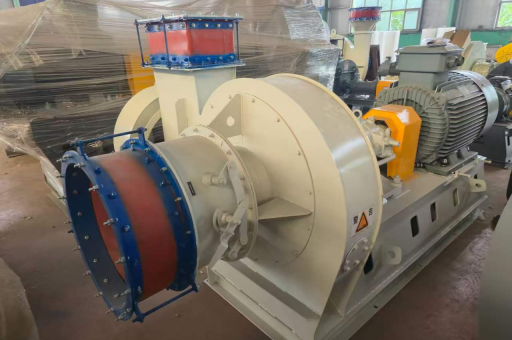
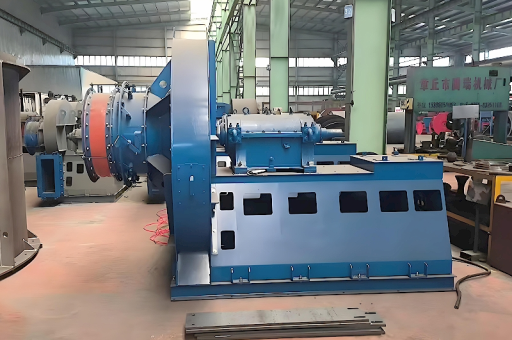
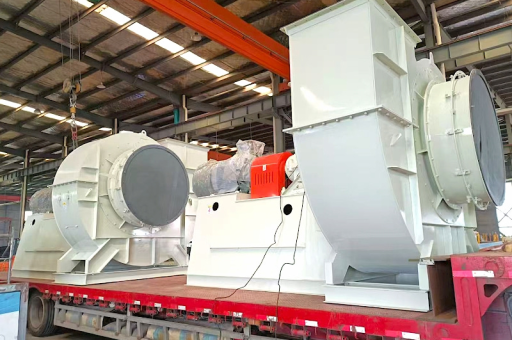
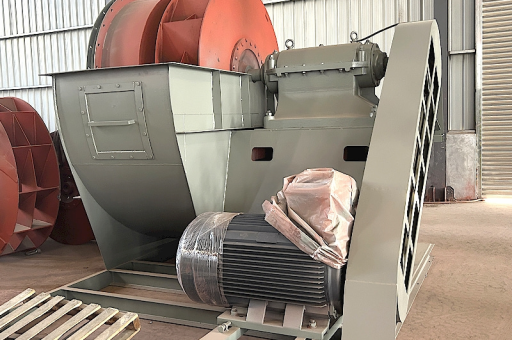
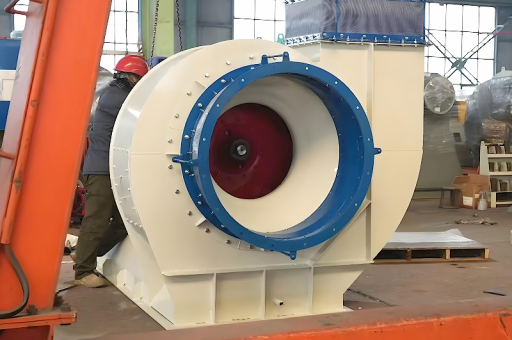
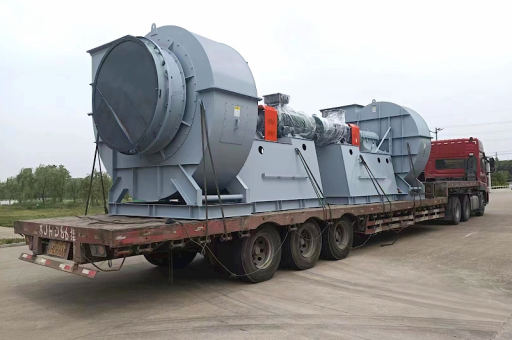
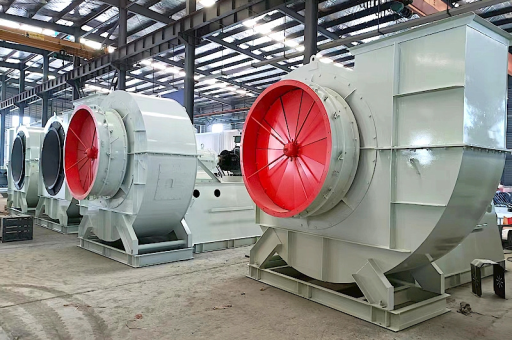
- Centrifugal Fan: The air is drawn into the center of a rotating impeller (wheel) and thrown outward by centrifugal force. This increases the air's pressure and velocity. These fans are excellent for moving air against resistance (static pressure), such as through ducts, filters, or long runs of piping.
- Variable Frequency Drive (VFD): This is an electronic controller that varies the frequency (and voltage) of the power supplied to the motor. By changing the frequency, you change the motor's speed (RPM).
- 15kW (approx. 20 HP): This defines the motor's power rating. At full speed, the motor can output 15kW of mechanical power to turn the fan. This is a substantial unit, moving a large volume of air or generating high pressure.
Why use a VFD with a Centrifugal Fan?
In a word: Efficiency. A VFD offers massive advantages over traditional methods like inlet vanes, outlet dampers, or bypass ducts.
-
Energy Savings (The "Affinity Laws"): This is the biggest benefit. Fan power is proportional to the cube of the speed.
- 100% Speed → 100% Power
- 80% Speed → (0.8)³ = 2% Power
- 60% Speed → (0.6)³ = 6% Power
- Reducing the speed by just 20% cuts power consumption by nearly half. This saves a significant amount of electricity over time.
-
Precise Process Control: You can dial in exactly the airflow or pressure you need, which is critical for processes like drying, clean rooms, or furnace draft control.
-
Reduced Mechanical Stress: The VFD provides a "soft start," ramping the motor up to speed slowly. This eliminates the high inrush current and mechanical shock of a direct-on-line (DOL) start. This extends the life of belts, bearings, and the motor itself.
-
Lower Noise Levels: The fan is much quieter when running at lower speeds.
Typical Components (What to look for)
- The Fan Assembly:
- Housing: Usually made of steel (carbon or stainless). May have an anti-corrosive coating.
- Impeller: The wheel with curved blades. Types include forward-curved (for high volume, low pressure), backward-curved (for high efficiency, medium-high pressure), and radial (for harsh, dusty, or sticky materials).
- Inlet Cone: Directs air smoothly into the impeller.
- Shaft & Bearings: Heavy-duty bearings to handle the load.
- The Motor:
- Power: 15kW (20 HP).
- Type: Almost always a 3-phase induction motor (e.g., 400V / 480V).
- Speed: Typically 2-pole (approx. 2900 RPM) or 4-pole (approx. 1450 RPM) at 50Hz. 4-pole motors are common for larger fans to keep noise and vibration lower.
- Enclosure: TEFC (Totally Enclosed Fan Cooled) is standard. For hazardous environments, an Ex-rated (explosion-proof) motor is required.
- The Variable Frequency Drive (VFD):
- Rating: Must be sized for the motor (15kW). Often it's recommended to size the VFD one class larger (e.g., 18.5kW/25HP) to handle motor inrush and reduce heat stress.
- Input Power: Must match your local supply (e.g., 3-phase, 400V or 480V).
- Features: Look for built-in PID controller (for pressure or flow feedback), energy optimization, and protective features (overcurrent, overvoltage, overtemperature).
- Brands: ABB, Siemens, Danfoss, Schneider Electric, Yaskawa, Allen-Bradley.
- Control System:
- Local Control Panel: A keypad on the VFD or a separate panel with Start/Stop, Speed Potentiometer, and status lights.
- Remote Control: Connection to a Building Management System (BMS) or PLC via 4-20mA, 0-10V, Modbus RTU, or BACnet protocols.
- Sensors: Static pressure transducer (for duct pressure control) or flow meter (for precise air volume control). These are critical for closing the control loop with the VFD's PID function.
Typical Applications for a 15kW Fan
- Industrial Exhaust: Welding fume extraction, chemical fume hoods, paint spray booth ventilation.
- HVAC Systems: Air handling units for large buildings, factories, or warehouses.
- Dust Collection: Centralized dust collectors for woodworking, metalworking, or bulk material handling.
- Process Drying: Air supply for drying ovens or conveyor dryers.
- Combustion Air: Forcing air into large industrial burners or boilers.
- Pneumatic Conveying: Moving lightweight materials like granules, chips, or grains through ducts.
Key Considerations for Selection & Operation
- Fan Curve Matching: It's absolutely critical to ensure the fan's performance curve (pressure vs. airflow) matches your system's resistance curve. The operating point must be within the fan's stable and efficient range.
- Critical Speed & Resonance: The VFD can run the fan across a wide speed range. You must ensure that the fan, motor, and base do not have a natural resonance (a frequency where they vibrate violently) within the operating speed range. A Vibration Analysis may be needed.
- Motor Compatibility: The motor must be suitable for VFD operation. Standard "inverter-duty" motors have better insulation (to handle voltage spikes from the VFD) and a non-corroding shaft (to prevent induced shaft currents from damaging bearings). An older standard motor may fail quickly.
- Cable Length: Long cables between the VFD and motor can cause voltage reflections that damage the motor insulation. Follow the VFD manufacturer's guidelines for maximum cable length. Use shielded, VFD-rated cable.
- Cooling: At very low speeds, the motor's internal fan (TEFC) is less effective. If the motor will run below 20-30% of its rated speed for extended periods under heavy load, a separate forced-air cooling fan for the motor might be needed.
- EMC (Electromagnetic Compatibility): VFDs generate electrical noise. Ensure the VFD is installed with proper shielding, grounding, and (if required) input/output filters to avoid interfering with other sensitive equipment.
- Accessories: Consider isolation dampers, flexible connections to ducts, and vibration isolators for the fan base to minimize noise and vibration transmission.
Typical Questions to Ask When Specifying One
- What is the required airflow (m³/h or CFM)?
- What is the required static pressure (Pa or in. w.g.)?
- What is the air temperature and composition (corrosive, dusty, explosive)?
- What is the ambient environment (indoor, outdoor, hazardous area)?
- What is the power supply (voltage, frequency, phase)?
- What level of control is needed (simple speed knob, or BMS/PLC feedback)?
- What is the preferred fan wheel type (forward-curved, backward-curved, radial)?
In summary, a 15kW VFD Centrifugal Fan is a high-performance, energy-efficient workhorse for medium-to-large industrial and commercial air movement tasks. Its value lies in its ability to precisely match airflow to demand while saving significant energy and reducing wear compared to fixed-speed alternatives.