The Critical Role of Chemical Plant Exhaust Gas Fans: Safety, Efficiency, and Compliance
Table of Contents
- Introduction: Why Exhaust Gas Fans Matter in Chemical Plants
- The Core Function of Chemical Plant Exhaust Gas Fans
- Key Types of Exhaust Gas Fans Used in Chemical Facilities
- Design and Material Considerations for Corrosive Environments
- Energy Efficiency and Operational Cost Optimization
- Compliance with Environmental and Safety Regulations
- Maintenance Strategies for Long-Term Reliability
- Frequently Asked Questions (FAQ)
- Conclusion: Investing in the Right Fan System
Introduction: Why Exhaust Gas Fans Matter in Chemical Plants
In the complex ecosystem of a chemical plant, few components are as mission-critical yet often overlooked as the chemical plant exhaust gas fan. These industrial fans are the lungs of the facility, responsible for removing hazardous fumes, volatile organic compounds (VOCs), corrosive gases, and heat generated during chemical reactions. Without them, worker safety would be compromised, equipment would degrade faster, and regulatory compliance would be nearly impossible to achieve.
This article dives deep into the technical, operational, and strategic aspects of exhaust gas fans for chemical plants. We will explore fan types, materials, maintenance, and how to choose the right system for your facility. Whether you are a plant engineer, safety manager, or procurement specialist, this guide will help you make informed decisions that improve safety, reduce costs, and ensure long-term reliability.
The Core Function of Chemical Plant Exhaust Gas Fans
The primary role of a chemical plant exhaust gas fan is to create negative pressure within ventilation ducts, pulling contaminated air away from process areas and safely discharging it to exhaust stacks or treatment systems. This serves multiple purposes:
- Toxic Fume Removal: Many chemical processes release gases like hydrogen sulfide (H₂S), ammonia (NH₃), chlorine (Cl₂), or hydrogen chloride (HCl). Continuous exhaust prevents these from reaching dangerous concentrations.
- Explosion Prevention: Accumulation of flammable gases or dust can lead to catastrophic explosions. Proper ventilation reduces the risk by maintaining gas concentrations below the lower explosive limit (LEL).
- Heat Management: Exothermic reactions generate significant heat. Exhaust fans help remove hot air, protecting both personnel and temperature-sensitive equipment.
- Odor Control: While not always a safety issue, odor complaints can lead to regulatory scrutiny. Efficient exhaust systems reduce emission of unpleasant smells.
Question: Why can't standard ventilation fans be used in chemical plants?
Answer: Standard fans are not designed to handle the corrosive, abrasive, or explosive nature of chemical plant environments. Specialized exhaust fans use corrosion-resistant materials (e.g., fiberglass-reinforced plastic, stainless steel, or coated alloys), spark-proof components, and sealed motors to prevent ignition. Using an ordinary fan would lead to rapid failure and potentially dangerous situations.
Key Types of Exhaust Gas Fans Used in Chemical Facilities
Not all chemical plant exhaust gas fans are created equal. The choice depends on the gas characteristics, flow rate, static pressure requirements, and space constraints. The most common types include:
Centrifugal Fans
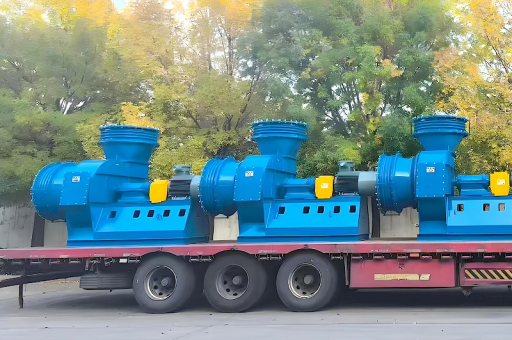
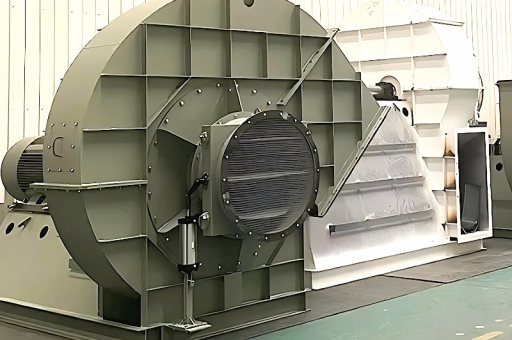
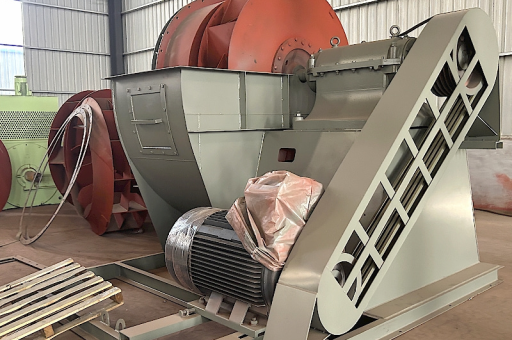
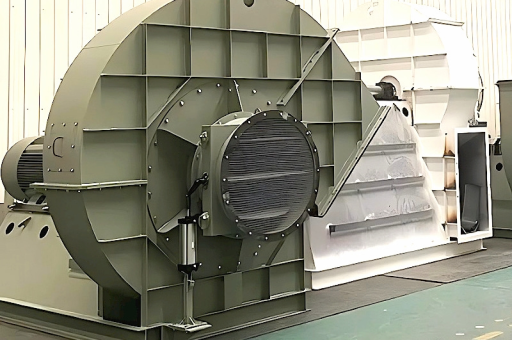
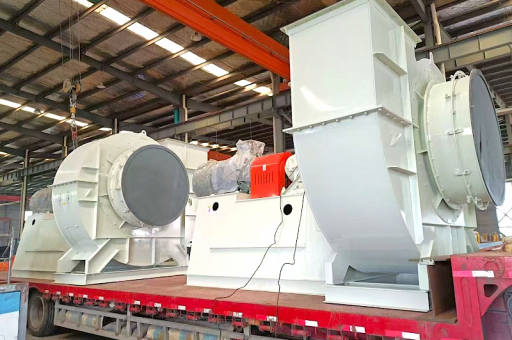
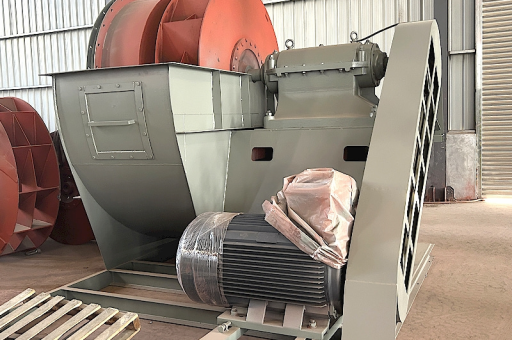
These are the workhorses of chemical plant ventilation. They use a rotating impeller to increase air velocity, which is then converted to pressure. Centrifugal fans are ideal for high-pressure, moderate-to-high flow applications. They are available in backward-curved, forward-curved, and radial blade designs.
- Backward-Curved: Highly efficient, self-cleaning, and suitable for clean or slightly dusty air.
- Radial Blade: Best for particulate-laden or sticky gases because the blades are less prone to clogging.
Axial Fans
Axial fans move air parallel to the fan shaft. They are typically used for high-volume, low-pressure applications, such as general building ventilation or cooling towers. However, they are less common in direct chemical exhaust because they provide lower static pressure and are more sensitive to gas density changes.
Hybrid and Specialized Fans
- FRP (Fiberglass-Reinforced Plastic) Fans: Excellent for highly corrosive environments where metal alloys would corrode quickly.
- Spark-Resistant Fans: Built with non-ferrous materials (aluminum, bronze) to prevent sparks in flammable gas applications.
- High-Temperature Fans: Designed for exhaust streams exceeding 200°C, using heat-resistant alloys and cooling wheels.
Question: How do I choose between a centrifugal and an axial fan for my chemical plant?
Answer: The decision depends on your system's resistance (static pressure). If your ductwork is long, has many bends, or includes scrubbers or filters, you need high static pressure – choose a centrifugal fan. For short, straight duct runs with minimal resistance, an axial fan may be more energy-efficient. Always consult with a fan engineer who understands your specific gas composition and temperature.
Design and Material Considerations for Corrosive Environments
The biggest enemy of a chemical plant exhaust gas fan is corrosion. Gases like chlorine or sulfur dioxide react with metal surfaces, causing pitting, cracking, and eventual failure. Even "dry" gases can become corrosive when they combine with moisture in the atmosphere.
Material Choices
- Stainless Steel (316L): Good for moderately corrosive environments. More expensive than carbon steel but offers better longevity.
- Fiberglass-Reinforced Plastic (FRP): The gold standard for highly corrosive gas streams. FRP is lightweight, non-conductive, and immune to galvanic corrosion. However, it has lower mechanical strength than metal and is more susceptible to temperature limits (typically 90°C to 120°C).
- PVC and Polypropylene: Suitable for low-temperature, highly acidic vapors. Common in cleaning and plating facilities.
- Hastelloy or Titanium: Used for extreme conditions where other materials fail. Very expensive, but sometimes necessary for handling wet chlorine or high-temperature acids.
Coating and Lining
For existing metal fans, protective coatings (epoxy, PTFE, or rubber lining) can extend service life. However, coatings can delaminate if not applied correctly, so thorough surface preparation is essential.
Shaft Seal Design
Leakage around the fan shaft is a major safety concern. Mechanical seals, lip seals, or purge air systems prevent hazardous gases from escaping through the shaft opening. For explosive gases, double mechanical seals with a buffer fluid are recommended.
Question: Can I use a standard painted steel fan if I apply a corrosion-resistant coating?
Answer: It's risky. Coatings can peel, crack, or be damaged during installation or maintenance. Once the substrate is exposed, corrosion accelerates rapidly. For chemical plant exhaust, it's better to start with a corrosion-resistant material (FRP, stainless steel) rather than relying solely on coatings. Coatings are best used as an additional layer of protection, not the primary barrier.
Energy Efficiency and Operational Cost Optimization
Exhaust gas fans often run 24/7, making them significant energy consumers. A poorly designed fan system can waste thousands of dollars annually. Here are key strategies to optimize efficiency:
Variable Frequency Drives (VFDs)
Installing VFDs allows the fan speed to match real-time demand. Instead of running at full speed all the time, the fan slows down when exhaust requirements are lower, reducing energy consumption by up to 40%. VFDs also reduce mechanical stress, extending the fan's life.
Proper Ductwork Design
- Minimize bends, restrictions, and sharp transitions.
- Use smooth interior duct surfaces.
- Size ducts correctly to avoid excessive air velocity, which increases pressure drop.
Fan Curve Matching
Every fan has a performance curve showing its efficiency at different flow and pressure points. The fan should be selected so its best efficiency point (BEP) aligns with the system's typical operating point. Operating far from the BEP wastes energy and can cause vibration and noise.
Regular Impeller Cleaning
Even small amounts of buildup on fan blades disrupt airflow, reduce efficiency, and unbalance the rotor. In chemical plants, deposits can be sticky or caked. Schedule regular cleaning using appropriate methods (steam, chemical washing, or manual scraping) based on the residue type.
Question: Is it worth replacing an old exhaust fan with a new energy-efficient model?
Answer: Yes, especially if your fan is over 10 years old. Modern fan designs, better materials, and VFD compatibility can reduce energy consumption by 20–30%. The payback period is often 2–3 years, after which you enjoy pure savings. Additionally, older fans may lack safety features required by current regulations.
Compliance with Environmental and Safety Regulations
Failure to maintain a properly functioning chemical plant exhaust gas fan can lead to severe penalties, legal liability, and reputational damage. Key regulations include:
- OSHA (Occupational Safety and Health Administration): Sets permissible exposure limits (PELs) for hazardous chemicals. Proper exhaust ventilation is mandatory to keep airborne concentrations below these limits.
- EPA (Environmental Protection Agency): Enforces emission standards for VOCs and hazardous air pollutants (HAPs). Exhaust fans must discharge to appropriate treatment systems (scrubbers, oxidizers, carbon filters) before release.
- NFPA (National Fire Protection Association): Standards like NFPA 69 (explosion prevention) require fans to be spark-resistant in flammable gas areas.
- ATEX / IECEx (for international facilities): These directives classify hazardous zones and specify fan construction requirements to prevent ignition.
Question: What happens if my exhaust fan fails during an inspection?
Answer: Immediate consequences include shutdown of the affected process area until the fan is repaired or replaced. You may face fines, increased insurance premiums, and potential worker compensation claims if exposure limits were exceeded. More seriously, a failed fan could lead to a chemical release, causing environmental damage and legal action. Redundant fan systems (N+1 configuration) are strongly recommended for critical applications.
Maintenance Strategies for Long-Term Reliability
A chemical plant exhaust gas fan requires a proactive maintenance plan. Reactive maintenance – waiting for failure – is dangerous and costly.
Preventive Maintenance Schedule
- Weekly: Visual inspection for unusual noise, vibration, or visible leaks. Check belt tension and alignment (if belt-driven).
- Monthly: Lubricate bearings per manufacturer specs. Clean inlet screens and impeller (if accessible).
- Quarterly: Measure vibration levels using a vibration analyzer. Check for corrosion pitting or wear on the housing and impeller.
- Annually: Perform a full teardown inspection, including shaft alignment, bearing replacement, and seal integrity check. Test electrical components (motor windings, VFD performance).
Common Failure Modes
- Bearing Failure: Leading cause of fan downtime. Caused by contamination, improper lubrication, or misalignment.
- Impeller Imbalance: Build-up of deposits or erosion balancing leads to vibration and accelerated wear.
- Corrosion Leaks: Often occur at welded joints, flanges, or shaft seals.
- Motor Overheating: Caused by running at high ambient temperatures, low voltage, or restricted airflow.
Question: How can I extend the life of my fan in a highly corrosive environment?
Answer: Beyond material selection, practice the following:
- Pre-condition the gas – Install demisters or quench systems to reduce acid dew point before the fan.
- Use purge air – Inject dry, clean air at the bearing housing and shaft seal to prevent corrosive gas ingress.
- Coat internal surfaces – Even FRP fans benefit from a gel coat or extra protective layer.
- Monitor corrosion regularly – Use ultrasonic thickness testing on the fan housing. Replace panels or sections before leaks develop.
Frequently Asked Questions (FAQ)
Q1: What is the typical lifespan of a chemical plant exhaust gas fan?
A: With proper maintenance and material selection, fans can last 10–20 years. However, in aggressive chemical environments, replacements may be needed every 5–8 years.
Q2: Can I use an exhaust gas fan for both fume extraction and air supply?
A: No. Exhaust fans are designed for negative pressure systems. Using them for supply air would require reversing the flow direction, which compromises performance and could cause contamination. Always use dedicated fans for exhaust and supply.
Q3: How do I calculate the required exhaust flow rate for my chemical process?
A: The flow rate depends on the emission source's size, the toxic gas generation rate, and the required dilution to maintain safe exposure levels. A typical method: Flow (CFM) = (Emission rate in ppm × 400) / (Desired ppm level). However, always consult an industrial hygienist for accurate calculations.
Q4: What is the difference between explosion-proof and spark-resistant fans?
A: Explosion-proof fans have enclosures designed to contain internal explosions without igniting the surrounding atmosphere. Spark-resistant fans are made of non-sparking materials to prevent ignition in the first place. For chemical plants, spark-resistant construction is often sufficient, but check your area classification (Class I, Division 1 vs. 2).
Q5: How do I know if my fan needs to be replaced vs. repaired?
A: If the housing shows extensive corrosion (more than 30% wall thickness loss), the impeller is severely damaged, or the fan has been repaired multiple times, replacement is usually more cost-effective. Repair costs often exceed 60–70% of a new fan's price, and a rebuilt fan will not have the same lifespan.
Conclusion: Investing in the Right Fan System
The chemical plant exhaust gas fan is not just a piece of equipment – it is a safety guard, an environmental control device, and an energy management asset. Making the right choice requires a thorough understanding of the gases involved, the process conditions (temperature, humidity, pressure), and the regulatory framework governing your facility.
Prioritize fans made from appropriate materials for your specific chemical stream. Integrate VFDs and proper controls to optimize energy use. Never compromise on safety features like spark resistance or seal integrity. And implement a robust maintenance program to catch issues early.
By investing time and resources into your exhaust gas fan system, you protect your most valuable assets: your workers, your equipment, and your license to operate. A well-designed, well-maintained fan system pays for itself many times over through reduced downtime, lower energy bills, and fewer compliance headaches.
If you are unsure about the best fan solution for your chemical plant, consult with fan manufacturers who specialize in industrial ventilation. Provide them with a detailed gas composition report, expected temperature ranges, and your ductwork layout. A customized solution will always outperform a "one-size-fits-all" approach.
For more information on industrial ventilation standards, refer to ISO 5801, AMCA 210, and your local environmental agency guidelines.