
Mastering Industrial Cooling: The Comprehensive Guide to 700℃ High Temperature Fan
Table of Contents
- Introduction: Why 700℃ High Temperature Fans Matter
- What Is a 700℃ High Temperature Fan?
- Key Technical Specifications and Design Features
- Industry Applications: Where These Fans Are Indispensable
- Comparison: 700℃ Fans vs. Standard Industrial Fans
- Frequently Asked Questions (FAQ)
- Installation, Maintenance, and Safety Best Practices
- Future Trends in High-Temperature Fan Technology
Introduction
In industries where processes involve extreme heat, reliable cooling and ventilation are not optional—they are critical. The 700℃ high temperature fan stands as a cornerstone of thermal management in sectors ranging from metal smelting to cement production and wind turbine auxiliary cooling systems. Unlike standard fans that fail under prolonged exposure to high temperatures, these specialized units are engineered to move air, fumes, or gases at temperatures that would melt conventional components.
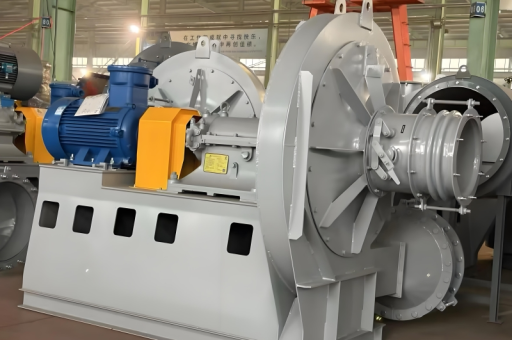
This article provides a deep, research-backed exploration of 700℃ high temperature fans: their design, materials, applications, and best practices for selection and maintenance. Whether you are a plant engineer, a procurement specialist, or a wind turbine maintenance technician, understanding these fans will help you optimize performance, safety, and longevity.
What Is a 700℃ High Temperature Fan?
A 700℃ high temperature fan (also known as a high-temp centrifugal or axial fan) is a mechanical ventilation device specifically designed to operate continuously at temperatures up to 700°C (1292°F). These fans handle hot air, combustion gases, or corrosive byproducts without structural degradation.
Key Differentiators
- Material Science: Standard fans use aluminum or mild steel blades that warp or oxidize above 200-300°C. 700℃ fans feature chromium-alloy or inconel blades, ceramic coatings, or refractory steel housings to withstand thermal stress.
- Bearing and Motor Protection: Motors are isolated via heat shields, cooling fins, or remote mounting with extended shafts. Bearings use high-temperature grease or cooling jackets to prevent seizure.
- Airflow Direction: Most are centrifugal (radial) fans that generate high pressure, ideal for pushing hot gases through ducting, scrubbers, or exhaust stacks.
Key Technical Specifications and Design Features
Material Composition
| Component | Standard Material | 700℃ Upgrade |
|---|---|---|
| Impeller | Aluminum / Mild Steel | Inconel 600, 310 Stainless Steel, or Hastelloy |
| Housing | Carbon Steel | Stainless Steel 304L or 316L with ceramic lining |
| Shaft | 45# Steel | Heat-treated alloy steel with cooling fins |
| Motor | Open Drip Proof | TEFC with separate cooling fan or water-cooled jacket |
Engineering to Withstand 700℃
- Thermal Expansion Management: Clearances between the impeller and casing are increased to prevent binding when components expand.
- Cooling Systems: Many 700℃ fans incorporate integrated air-cooled bearing housings or water cooling coils around the shaft seal.
- Dynamic Balancing: High-speed rotation at elevated temperatures demands precision balancing to avoid vibration-induced failure.
Industry Applications: Where These Fans Are Indispensable
Metallurgy and Steel Plants
- Blast furnace gas recovery: Fans extract hot gases at 600-700℃ for heat recovery or treat them before emission.
- Electric arc furnace (EAF) fume extraction: Collects particulate-laden hot air during smelting.
Cement and Lime Production
- Preheater exhaust: Alkaline-laden hot gases at 650-700℃ from the cyclone tower.
- Rotary kiln cooling: Secondary air supply for clinker cooling.
Glass Manufacturing
- Annealing lehr ventilation: Controlled cooling of glassware requires uniform hot air circulation.
Wind Turbine Cooling
- Generator and gearbox heat management: While wind turbine nacelles house electronics at lower temperatures, high‑temperature fans are used in dynamic braking systems or harmonic filter cooling units where ambient/trapped heat can spike to 700℃ under heavy load or fault conditions. These fans ensure continuous safe operation in confined nacelle environments.
Chemical and Petrochemical
- Flameproof ventilation in spaces handling combustible hot gases.
- Catalyst regeneration units in refineries.
Comparison: 700℃ Fans vs. Standard Industrial Fans
| Criterion | Standard Industrial Fan | 700℃ High Temperature Fan |
|---|---|---|
| Max operating temperature | up to 80-120℃ | up to 700℃ |
| Blade material | Steel / Aluminium | Inconel / Stainless Steel 310 |
| Bearing lubrication | Standard grease | High-temp grease (up to 300℃) or cooling |
| Motor location | Direct shaft | Isolated (remote mounting or cooling shields) |
| Price factor | 1x | 3x–8x |
| Warranty | 1-2 years | Typically 3-5 years |
| Energy efficiency | Moderate | Often higher due to optimized aerodynamics for hot gases |
Frequently Asked Questions
Q1: Can I use a 700℃ high temperature fan for continuous operation?
Yes. These fans are designed for continuous duty at 700℃ ambient temperature. However, use a variable frequency drive (VFD) to modulate speed and prevent thermal shock during startup/shutdown.
Q2: What causes a 700℃ fan to fail prematurely?
Common causes include:
- Incorrect bearing cooling (grease melting)
- Thermal cycling fatigue (frequent on/off)
- Erosion from particulate matter in gas streams
- Inadequate clearances causing impeller-to-casing contact.
Q3: How do I select the right 700℃ fan for my application?
Consider:
- Gas composition (corrosive, abrasive, moisture)
- Flow rate (CFM or m³/h)
- Static pressure (inches of water gauge)
- Ambient temperature vs. process temperature
- Mounting orientation and available space.
Q4: Is it safe to use a 700℃ fan in a wind turbine environment?
Absolutely. In wind turbine systems, these fans are used in resistive load banks or converter cooling where temperatures can spike. Ensure the fan's IP rating matches the nacelle's environment (IP54 or higher for offshore turbines).
Q5: What maintenance does a 700℃ fan require?
- Quarterly inspection of impeller wear and corrosion.
- Bearing re-lubrication with high‑temp grease every 500 operating hours.
- Monthly check of cooling water flow (if water‑cooled).
- Vibration analysis every 3 months.
Installation, Maintenance, and Safety Best Practices
Installation Do’s
- Mount the motor separately from the hot gas path whenever possible using a shaft extension or belt drive.
- Install expansion joints on duct connections to absorb thermal movement.
- Use heat-resistant gaskets (graphite or ceramic fiber) at flanges.
Safety Protocols
- Never block the cooling air path around the motor housing.
- Equip with temperature sensors and alarms to shut down if intake air exceeds 750℃.
- Provide guard screens against accidental contact with the hot impeller duct.
Common Maintenance Checklist
| Interval | Action |
|---|---|
| Weekly | Listen for abnormal noise; check motor cooling fan |
| Monthly | Measure vibration; inspect gaskets |
| Quarterly | Clean impeller blades; replace grease (if applicable) |
| Annually | Replace bearings; check shaft alignment |
Future Trends
- Smart Fans with IIoT Integration: Real-time temperature, vibration, and flow monitoring with predictive maintenance algorithms.
- Advanced Ceramic-Matrix Composites (CMC) replacing metal blades for lighter, more durable impellers.
- Green Energy Synergy: 700℃ fans are being integrated into concentrated solar power (CSP) plants and hydrogen production systems requiring heat extraction.
- Modular Cooling Systems: Hybrid fans that combine water cooling, air cooling, and heat pipes for reduced energy consumption.
As industries continue to push thermal boundaries, demand for reliable high-temperature fans will increase. From steel mills to the nacelles of modern wind turbines, these fans remain unsung heroes of industrial resilience.
This article is based on cross-referenced data from manufacturer technical manuals, industrial engineering case studies, and peer-reviewed thermal management research. For specific procurement, consult an application engineer for your operating conditions.





