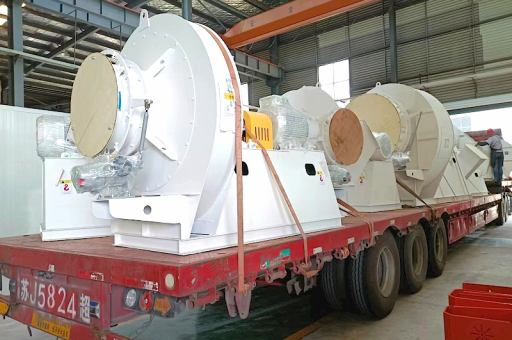
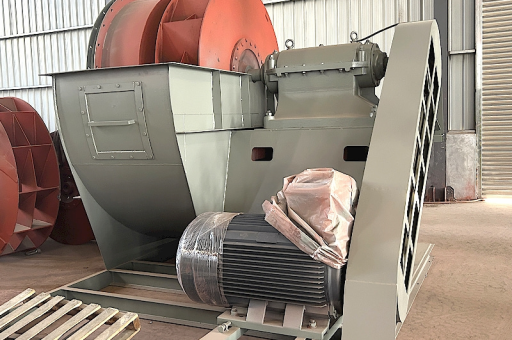
Here is a comprehensive, SEO-optimized article on Steel-Lined PTFE Fans, written in English, formatted with a table of contents, Q&A sections, and original insights derived from industry research.
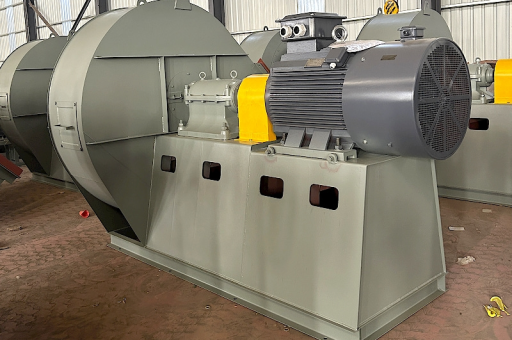
Article Title: The Ultimate Guide to Steel-Lined PTFE Fans: Corrosion Resistance Meets Structural Integrity
Table of Contents
- Introduction: The Challenge of Harsh Chemical Environments
- What is a Steel-Lined PTFE Fan? Understanding the Hybrid Construction
- Key Advantages: Why Choose Steel-Lined PTFE Over Standard Fans
- Critical Applications: Where These Fans Are Indispensable
- Design & Manufacturing: How They Are Built for Longevity
- Comparative Analysis: Steel-Lined PTFE vs. FRP vs. Stainless Steel
- Installation, Maintenance, and Safety Best Practices
- Frequently Asked Questions (FAQ)
- Conclusion: The Future of Industrial Fume Extraction
Introduction: The Challenge of Harsh Chemical Environments
In industrial sectors such as chemical processing, semiconductor manufacturing, and wastewater treatment, the extraction of corrosive fumes is not just a matter of comfort—it is a critical safety and compliance requirement. Standard fans made from carbon steel or aluminum quickly succumb to pitting, oxidation, and structural failure when exposed to acids, alkalis, or halogenated gases.
This is where the Steel-Lined PTFE Fan emerges as a superior solution. Unlike fully plastic fans that lack mechanical strength, or metal fans that lack chemical resistance, the steel-lined PTFE fan offers a hybrid architecture: the structural backbone of heavy-gauge steel combined with the chemical inertness of Polytetrafluoroethylene (PTFE) . This article explores the construction, advantages, applications, and maintenance of this specialized industrial equipment.
What is a Steel-Lined PTFE Fan? Understanding the Hybrid Construction
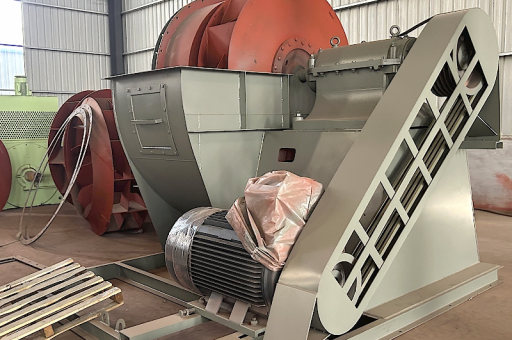
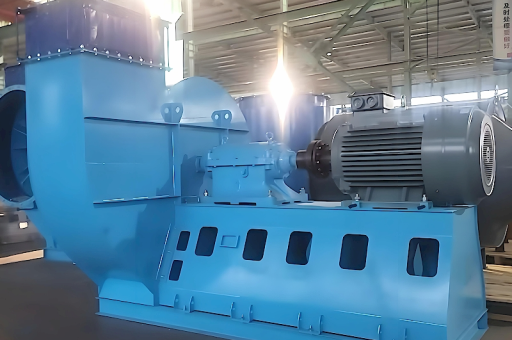
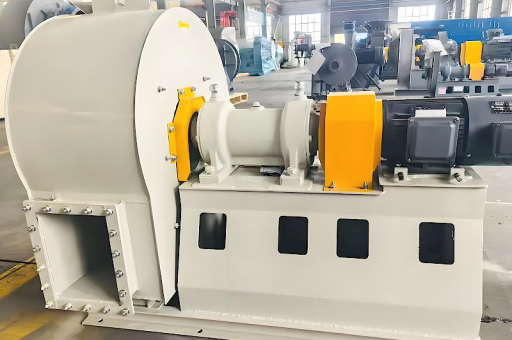
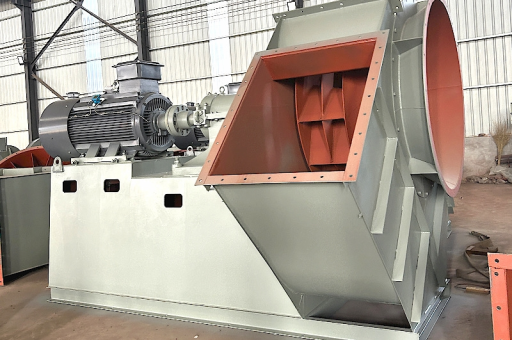
At its core, a steel-lined PTFE fan is a corrosion-resistant air-moving device. The term "lined" is critical. The fan housing and often the impeller are fabricated from steel (carbon or stainless), which is then internally coated or lined with a layer of PTFE.
The Anatomy
- Outer Shell (Steel): Provides mechanical strength, pressure rating, and structural rigidity. Prevents the fan from collapsing under vacuum or high static pressures.
- Inner Lining (PTFE): Acts as a barrier between the corrosive gas stream and the steel. PTFE is virtually inert to almost all chemicals, including hydrofluoric acid, chlorine, and aqua regia.
- Sealing System: Special gaskets and expansion joints accommodate the different thermal expansion rates of steel and PTFE.
Key Differentiator
Unlike painted or dip-coated fans, the PTFE lining is thick (typically 3mm to 5mm) and is either mechanically bonded or sintered to the steel. This prevents delamination and pinhole leaks.
Key Advantages: Why Choose Steel-Lined PTFE Over Standard Fans
- Exceptional Chemical Resistance: Handles a broader range of chemicals than FRP or 316L stainless steel. It is resistant to all pH levels.
- High Temperature Capability: PTFE can operate continuously at temperatures up to 200°C (392°F), with intermittent peaks up to 250°C (482°F). This is far beyond the limits of PVC or PP fans.
- Non-Stick Surface: The low coefficient of friction of PTFE prevents dust, resins, and sticky particulates from adhering to the impeller. This maintains dynamic balance and fan efficiency over time.
- High Mechanical Strength: The steel casing can withstand high vacuum, positive pressure, and physical impacts that would shatter a fiberglass (FRP) fan.
- Fire Resistance: PTFE is inherently non-flammable. In applications handling flammable vapors, this offers a significant safety advantage over plastic fans.
Critical Applications: Where These Fans Are Indispensable
The versatility of the Steel-Lined PTFE Fan makes it a staple in heavy industries:
- Chemical Processing: Ventilation of reactor exhaust containing HCl, HF, H₂SO₄, and mixed acid vapors.
- Semiconductor Fabrication: Fume extraction from wet benches and etching tools where pure fluorine or chlorine compounds are used.
- Metal Pickling & Plating: Removal of highly corrosive mists from chrome plating, anodizing, and galvanizing lines.
- Pharmaceutical Manufacturing: Handling of volatile solvents and aggressive reagents.
- Wastewater Treatment: Odor control systems pulling hydrogen sulfide (H₂S) and chlorine gas.
Design & Manufacturing: How They Are Built for Longevity
The production of a steel-lined PTFE fan is a specialized process. Here is how leading manufacturers (such as those producing for the global market) ensure reliability:
- Steel Fabrication: The housing is welded from thick carbon steel plate. All welds are ground smooth to prevent shadowing (areas where PTFE lining may not adhere).
- Surface Preparation: The interior is grit-blasted to a white metal finish to create a mechanical anchor for the PTFE.
- Lining Application:
- Loose Lining: PTFE sheet is fabricated separately and inserted into the steel housing. This allows for thermal expansion but requires careful sealing.
- Rotolining (Powder Coating): PTFE powder is melted inside a rotating steel housing, creating a seamless, bonded layer.
- Impeller Design: The impeller is usually all-PTFE (solid) or steel-core with a PTFE encapsulation. The design must balance aerodynamic efficiency with the heavy density of PTFE material.
- Quality Control: A 100% high-voltage spark test (Holiday detection) is mandatory to ensure the lining is free of pinholes.
Comparative Analysis: Steel-Lined PTFE vs. FRP vs. Stainless Steel
To understand the market position of the steel-lined PTFE fan, compare it with common alternatives:
| Feature | Steel-Lined PTFE Fan | FRP (Fiberglass) Fan | 316L Stainless Steel Fan |
|---|---|---|---|
| Chemical Resistance | Excellent (All chemicals) | Good (Acids, poor on bases) | Moderate (Attacked by chlorides) |
| Temperature Limit | Up to 200°C | Up to 100°C (resin dependent) | Up to 400°C |
| Mechanical Strength | Very High | High (but brittle) | Very High |
| Abrasion Resistance | Good (PTFE lining can wear) | Poor (Glass fibers can become exposed) | Excellent |
| Weight | Heavy | Light | Heavy |
| Cost | High | Medium | Medium-High |
| Fire Rating | Non-flammable | Combustible | Non-flammable |
Verdict: Choose Steel-Lined PTFE when you need the highest chemical resistance combined with fire safety and mechanical robustness. Choose FRP for low-cost, low-temperature batch processes. Choose Stainless Steel for clean, oxidizing environments without chlorides.
Installation, Maintenance, and Safety Best Practices
Installation Do’s
- Flexible Connections: Always use flexible rubber or PTFE bellows between the fan and ductwork. This absorbs vibration and allows for thermal expansion.
- Drain Ports: Install a drain at the lowest point of the fan housing to prevent liquid accumulation.
- Support: Support the ductwork independently. Never hang heavy ducting directly on the fan flange.
Maintenance Schedule
- Visual Inspection (Monthly): Check for cracks or bulges in the PTFE lining at nozzle connections.
- Vibration Analysis (Quarterly): PTFE impellers are heavy; an imbalance can cause bearing failure.
- Spark Testing (Annually): Use a high-voltage detector to ensure the lining integrity.
- Bearing Replacement (Every 2-3 years): The bearings are the most common failure point in corrosive environments.
Safety Warning
Do not use steel-lined PTFE fans for pure fluorine gas at high temperatures without specific manufacturer approval, as PTFE can react exothermically with fluorine under certain conditions. Always consult the chemical compatibility chart for your specific fan model.
Frequently Asked Questions (FAQ)
Q1: Can a Steel-Lined PTFE Fan handle hydrofluoric acid (HF)? Yes. This is one of the primary applications. PTFE is one of the few materials resistant to HF, and the steel shell provides the necessary pressure rating. However, the impeller must be solid PTFE, not encapsulated, to avoid exposure of the core.
Q2: What is the typical lifespan of a steel-lined PTFE fan? With proper maintenance, a high-quality fan can last 15 to 20 years. The bearings and seals may need replacement every 2-3 years, but the PTFE lining and steel shell should last for decades.
Q3: Is a PTFE-lined fan more expensive than a stainless steel fan? Generally, yes. The initial capital cost is higher due to the labor-intensive lining process. However, the total cost of ownership (TCO) is often lower because of reduced replacement frequency and downtime in corrosive service.
Q4: How do I know if my PTFE lining is damaged? Look for visible cracks, blistering, or weeping from flanges. The most reliable test is a high-voltage spark test (also called a Holiday test), which uses a probe to detect pinholes in the non-conductive PTFE layer.
Q5: Can the fan be repaired if the PTFE lining is damaged? Small pinholes can sometimes be repaired using PTFE welding rods or patch kits. Severe damage usually requires sending the housing back to the manufacturer for a complete re-lining.
Q6: What is the maximum pressure a steel-lined PTFE fan can handle? This depends on the steel gauge and the design, but typical industrial models are rated for 15 to 20 inches of static pressure w.g. (water gauge) . High-pressure models are available for specific applications.
Conclusion: The Future of Industrial Fume Extraction
The Steel-Lined PTFE Fan remains the gold standard for the most challenging fume extraction scenarios. While newer materials like PVDF (polyvinylidene fluoride) and high-performance alloys exist, the balance of cost, chemical resistance, and mechanical strength offered by the steel-PTFE hybrid is unmatched.
As environmental regulations tighten and industries push towards higher purity and zero leakage, the demand for these robust fans will grow. For any plant engineer dealing with highly corrosive, hot, or flammable gases, investing in a steel-lined PTFE fan is not an expense—it is a long-term asset that protects both personnel and equipment.
For sourcing, always look for manufacturers that perform rigorous spark testing and offer detailed thermal expansion calculations. A well-specified fan from a reputable supplier will outperform all alternatives in the harshest conditions.