This article's table of contents introduction:
- What is "Cold Molding"?
- Why Use Cold Molding (Specifically for High-Pressure Fans)?
- Comparison: Cold Molding vs. Other Methods
- Applications of Cold-Molded High-Pressure Fans
- Critical Design Considerations for High-Pressure Cold Molding
- Summary
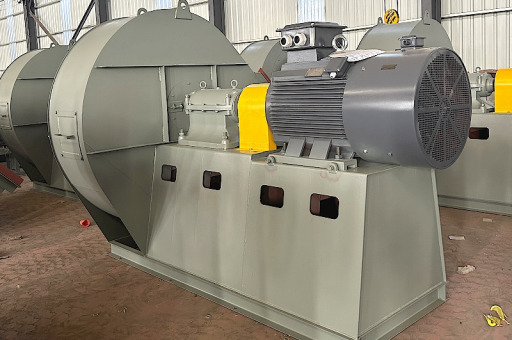
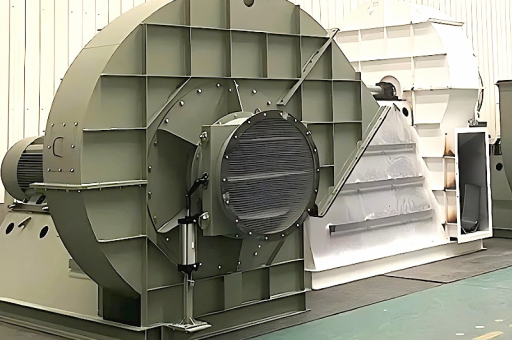
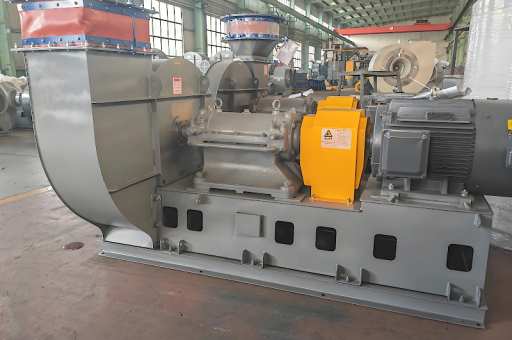
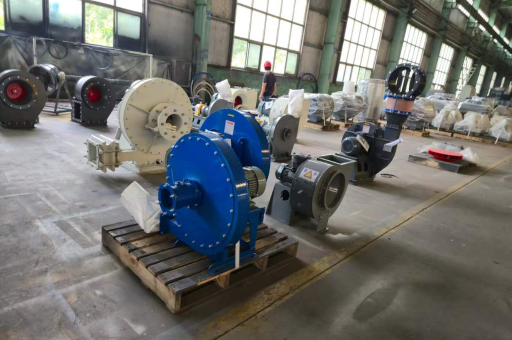
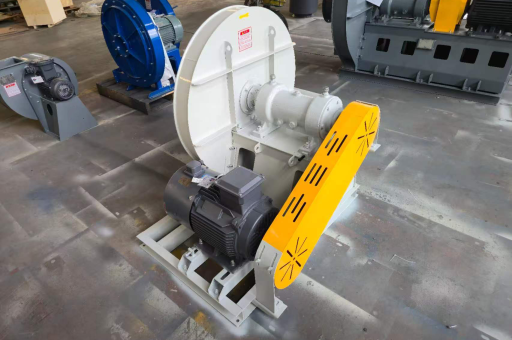
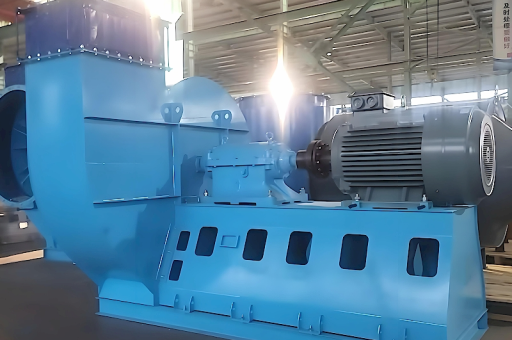
Cold Molding High-Pressure Centrifugal Fan refers to a specific manufacturing process used to produce the impeller (and sometimes the housing) of a high-pressure centrifugal fan, particularly when made from engineering plastics (like PVDF, PP, or FRP) or certain composite materials.
Here is a detailed breakdown of what this means, why it is used, and its key applications.
What is "Cold Molding"?
Unlike thermoforming or injection molding (which use high heat to melt and shape material), cold molding is a low-temperature or ambient-temperature process.
The typical process for a fan impeller:
- Layup: Layers of reinforcing material (e.g., fiberglass, carbon fiber) and resin (e.g., epoxy, polyester, vinyl ester) are manually or robotically placed into a mold.
- Curing (The "Cold" Part): The mold is closed and left to cure at room temperature (or slightly elevated, but well below the melting point of thermoplastics). Chemical cross-linking (polymerization) hardens the material.
- Demolding: The part is removed and trimmed.
Key Distinction: This is the opposite of Hot Press Molding (used for thermoplastics) or Casting (which uses molten metal).
Why Use Cold Molding (Specifically for High-Pressure Fans)?
High-pressure centrifugal fans operate under significant stress from centripetal force and pressure differentials. Cold molding offers specific advantages for demanding environments:
- Corrosion Resistance: Fans handling corrosive fumes (chemical plants, wastewater treatment, plating) often use materials like FRP (Fiber-Reinforced Plastic) or PVDF. Cold molding allows these materials to be formed without degrading their chemical resistance.
- High Strength-to-Weight Ratio: The cold-molded composite (e.g., glass/epoxy) is much lighter than steel, reducing bearing loads and inertia (allowing faster speed changes).
- Dimensional Accuracy & Balance: High-pressure fans require very tight tolerances to maintain efficiency. Cold molds produce precise, repeatable parts.
- Fatigue Resistance: The continuous fiber weave in a cold-molded composite distributes stress (from high RPM) far better than injection-molded plastics (which have weld lines) or cast metals (which have porosity).
Comparison: Cold Molding vs. Other Methods
| Feature | Cold Molding (Composite) | Metal (Welded/Cast) | Injection Molding (Plastic) |
|---|---|---|---|
| Max Pressure | Very High (up to 20+ kPA) | Extremely High | Medium (limited by plastic creep) |
| Corrosion Resistance | Excellent | Poor (needs coatings) | Good (if using PVDF/PP) |
| Operating Temp | -40°C to +120°C (varies by resin) | Up to +400°C | Lower (limited by polymer) |
| Weight | Light (30-50% of steel) | Heavy | Light |
| Initial Tooling Cost | Medium | High (for castings) | Very High |
| Production Volume | Low to Medium | High | Very High |
| Balance Quality | Excellent (layup control) | Good (needs machining) | Fair (shrinkage issues) |
Applications of Cold-Molded High-Pressure Fans
- Fume Extraction in Chemical Plants: Handling HCl, H₂SO₄, or solvent vapors.
- Wastewater Treatment Aeration: High static pressure for diffused aeration systems.
- Clean Rooms / Semiconductor: High-pressure HEPA filtration (using PVDF for zero outgassing).
- Mining Ventilation: Wear-resistant composites for abrasive dust.
- Boiler Forced Draft (ID Fans): Smaller, specialized units where corrosion from flue gas is severe.
Critical Design Considerations for High-Pressure Cold Molding
If you are specifying or designing such a fan:
- Resin System: Must be high-temperature cure or post-cure capable to prevent creep deformation under high load.
- Fiber Orientation: 0°/90° biaxial weave for hoop stress resistance. ±45° layers are often added to handle torque during startup.
- Hub Attachment: The joint between the composite impeller and the metal shaft hub is the weak point. Cold-molded fans often use a tapered collet lock or cast-in metal insert.
- Static Pressure Rating: Ensure the impeller is designed for the maximum shut-off pressure (when the outlet is blocked) – this can be double the operating pressure.
Summary
A Cold Molding High-Pressure Centrifugal Fan is a composite fan (usually FRP or PVDF) formed at room temperature, designed to handle high static pressure (e.g., 5–25 kPa) in corrosive environments where a metal fan would fail. It offers a superior strength-to-weight ratio and chemical resistance compared to metal, but at a higher manufacturing cost per unit.
Would you like specific material selection advice (e.g., Epoxy vs. Vinyl Ester) for a certain chemical application?