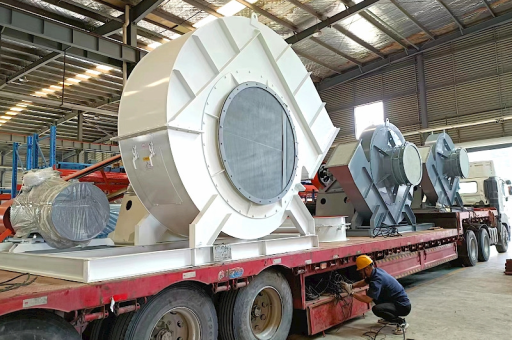
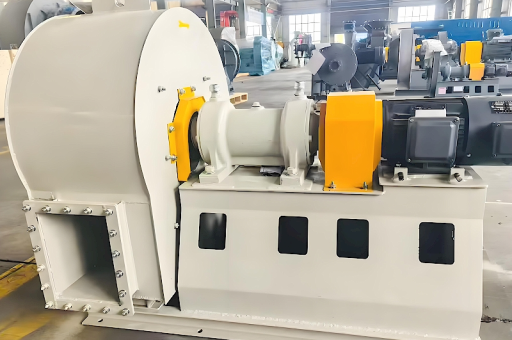
The Essential Guide to Oil Tank Exhaust Fan: Selection, Safety, and Maintenance
Table of Contents
- Introduction: Why Oil Tank Exhaust Fans Matter
- How Oil Tank Exhaust Fans Work
- Key Types and Applications
- Critical Safety Features
- How to Select the Right Fan for Your Oil Tank
- Installation Best Practices
- Maintenance and Troubleshooting
- Frequently Asked Questions (FAQ)
- Conclusion
Introduction: Why Oil Tank Exhaust Fans Matter
In industrial environments where oil storage tanks are present, the risk of volatile vapor accumulation is a constant concern. An Oil Tank Exhaust Fan is not just a ventilation accessory—it is a critical safety device designed to prevent explosive atmospheres, ensure regulatory compliance, and protect personnel. Whether you manage a refinery, a chemical plant, or a large-scale fuel storage facility, understanding how to choose, install, and maintain these fans is essential.
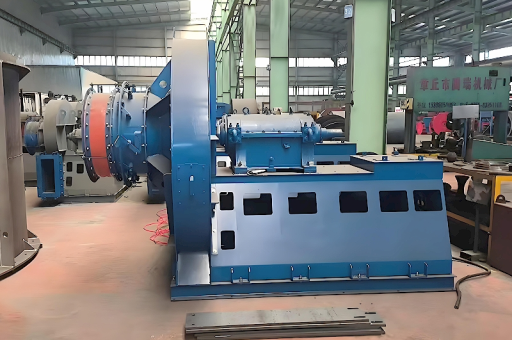
This guide provides a comprehensive overview based on industry standards, safety regulations, and real-world operational insights.
How Oil Tank Exhaust Fans Work
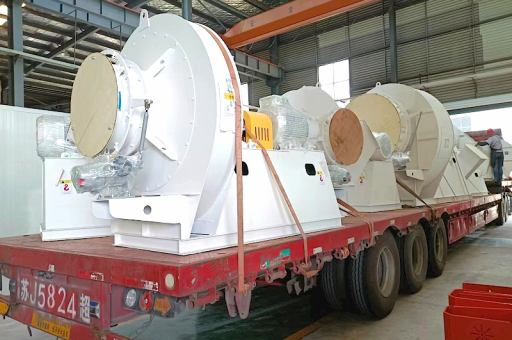
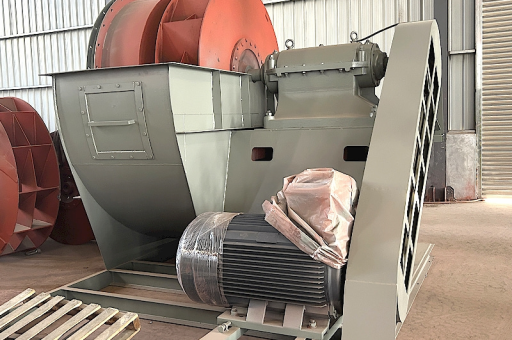
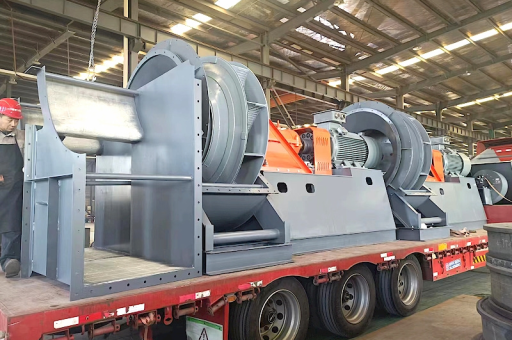
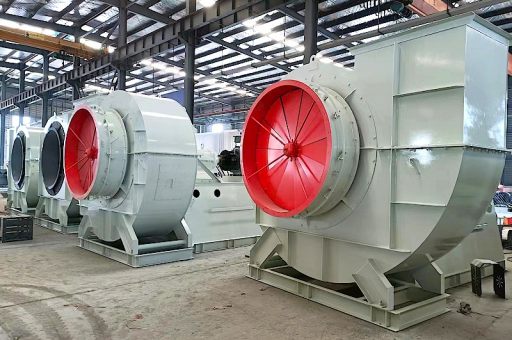
An oil tank exhaust fan operates by continuously or intermittently removing flammable vapors, fumes, and heat from the tank headspace or surrounding enclosure. Unlike standard industrial fans, these fans must be explosion-proof and capable of handling potentially corrosive or combustible air mixtures.
The core mechanism involves creating negative pressure inside the tank or ventilation duct, drawing out vapors through a discharge pipe. The fan is typically installed at the top of the tank or on a ventilation stack, ensuring that any leaked or accumulated gas is expelled safely away from ignition sources.
Modern exhaust fans often include:
- Spark-resistant aluminum or stainless steel impellers
- Sealed motor housings to prevent vapor ingress
- Thermal overload protection
- ATEX or UL certification for hazardous locations
Key Types and Applications
Choosing the right type depends on your specific storage conditions:
a. Roof-Mounted Exhaust Fans
These are directly installed on the tank roof. Ideal for fixed-roof tanks where vapor pressure needs to be controlled. They are commonly used in crude oil and diesel storage.
b. Ducted Inline Fans
Used when the exhaust point is distant from the tank. These are often combined with scrubbers or flares to treat vapors before release.
c. Portable Explosion-Proof Fans
Used during tank cleaning, maintenance, or confined space entry. These provide temporary ventilation and must be rated for Class I Division 1 or 2 environments.
d. Variable Speed Fans
Allow precise control over airflow based on vapor concentration. Increasingly popular in smart facility management systems.
Application Tip: For volatile substances like gasoline or naphtha, always opt for a fan with a higher static pressure rating and ATEX Zone 1 certification.
Critical Safety Features
An oil tank exhaust fan is only as good as its safety design. Do not compromise on these features:
- Explosion-Proof Construction: The motor, wiring, and housing must prevent any spark from igniting external gases.
- Grounding and Bonding: Static electricity buildup must be safely dissipated.
- Automatic Shutoff: When the fan detects excessive heat or vibration, it should stop immediately.
- Duct Leak Detection: Sensors that monitor for leaks in the exhaust pathway.
According to OSHA and NFPA 30 standards, any fan used in hazardous locations must have a nameplate indicating its hazardous location classification.
How to Select the Right Fan for Your Oil Tank
When browsing products online, you will encounter many specifications. Here is a decision framework:
| Criteria | Consideration |
|---|---|
| Airflow (CFM) | Based on tank volume and vapor generation rate. Calculate using NFPA 30 formulas. |
| Static Pressure | Higher for long duct runs or scrubbers. |
| Certification | Must match the area classification (Class I, Div 1/2, Groups C, D). |
| Material | Stainless steel for corrosive vapors; galvanized steel for general use. |
| Motor Type | Explosion-proof, totally enclosed fan-cooled (TEFC). |
Rule of Thumb: A 10,000-gallon crude oil tank typically requires a fan with at least 1500 CFM capacity under normal conditions.
Installation Best Practices
Installation mistakes can lead to system failure or safety hazards. Follow these steps:
- Locate the fan at the highest point of the tank to capture lighter-than-air vapors.
- Use flexible connectors to reduce vibration transmission.
- Install weatherproof covers to protect the fan from rain and debris.
- Ensure the discharge is away from air intake vents of other equipment.
- Install a drain valve at the low point of the duct to prevent liquid accumulation.
Always consult the manufacturer’s manual and local fire codes before finalizing placement.
Maintenance and Troubleshooting
Regular maintenance extends fan life and ensures safety. Develop a monthly checklist:
- Check for unusual noise—could indicate bearing failure.
- Inspect impeller blades for corrosion or buildup.
- Test vibration levels—excessive vibration can cause shaft damage.
- Verify grounding continuity—any break can create an electrostatic hazard.
- Replace air filters if the fan draws from a filtered intake.
Common Issues:
- Fan not starting: Check thermal overload, motor capacitor, and power supply.
- Low airflow: Clean ductwork, inspect for blockages, and verify fan rotation direction.
- Vibration: Balance impeller or replace worn bearings.
Frequently Asked Questions (FAQ)
Q1: Can I use a regular exhaust fan for an oil tank?
No. Standard fans are not designed to prevent ignition of flammable vapors. You must use an explosion-proof fan certified for hazardous locations.
Q2: How often should the fan be tested?
At minimum, test weekly for mechanical function and annually for electrical safety and certification compliance. Follow NFPA 70B guidelines.
Q3: What is the difference between ATEX and UL certification?
ATEX is the European standard for explosive atmospheres; UL is the North American standard. Both are equivalent in safety rigor but differ in testing protocols. Choose based on your region.
Q4: Can the fan run continuously?
Yes, many industrial fans are designed for 24/7 operation. However, ensure the motor is properly cooled and that the fan is sized for continuous duty.
Q5: Is it necessary to have a backup fan?
If the tank stores extremely volatile liquids or if a fan failure could cause immediate hazard, install a redundant unit with automatic switchover.
Conclusion
The Oil Tank Exhaust Fan is a vital component in any facility that stores flammable or hazardous liquids. From selecting the right certification and airflow capacity to ensuring explosion-proof construction and proper maintenance, every detail matters. By following the guidelines in this article, you can improve workplace safety, comply with regulations like OSHA and NFPA, and extend the lifespan of your equipment.
Whether you are upgrading an existing system or designing a new facility, never underestimate the importance of a high-quality exhaust fan. Your safety—and that of your team—depends on it.
For further reading, explore resources from the American Petroleum Institute (API) and the National Fire Protection Association (NFPA) on tank ventilation standards.