This article's table of contents introduction:
- Table of Contents
- Introduction: What is a High-Temperature Resistant Insulated Centrifugal Fan?
- Core Design Features: Heat‑resistant Materials, Insulation, and Aerodynamics
- How Does It Differ from Standard Centrifugal Fans?
- Critical Applications Across Industries
- Performance Parameters: Temperature Range, Static Pressure, and Airflow
- Energy Efficiency and Noise Considerations
- Installation, Maintenance, and Safety Best Practices
- Frequently Asked Questions (FAQ)
- Conclusion: Choosing the Right Fan for Extreme Environments
** The Ultimate Guide to High-Temperature Resistant Insulated Centrifugal Fans: Design, Applications, and Key Selection Tips
Table of Contents
- Introduction: What is a High-Temperature Resistant Insulated Centrifugal Fan?
- Core Design Features: Heat‑resistant Materials, Insulation, and Aerodynamics
- How Does It Differ from Standard Centrifugal Fans?
- Critical Applications Across Industries
- Performance Parameters: Temperature Range, Static Pressure, and Airflow
- Energy Efficiency and Noise Considerations
- Installation, Maintenance, and Safety Best Practices
- Frequently Asked Questions (FAQ)
- Conclusion: Choosing the Right Fan for Extreme Environments
Introduction: What is a High-Temperature Resistant Insulated Centrifugal Fan?
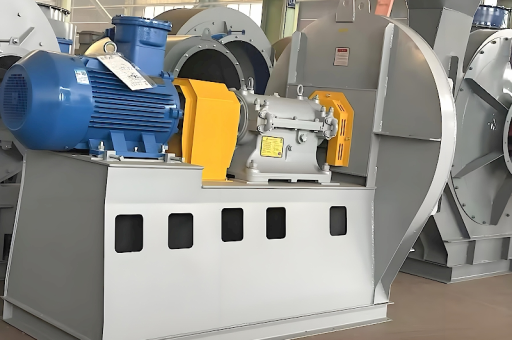
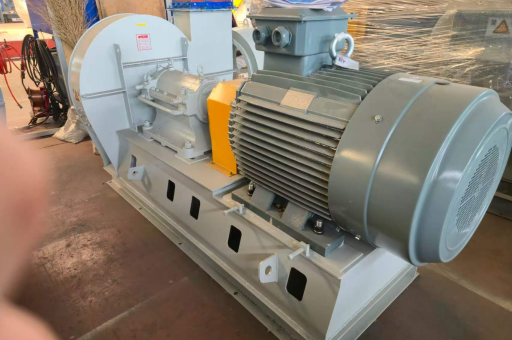
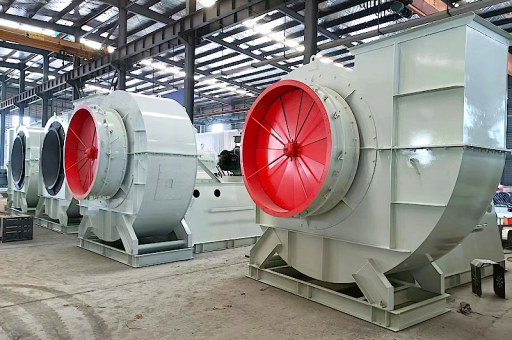
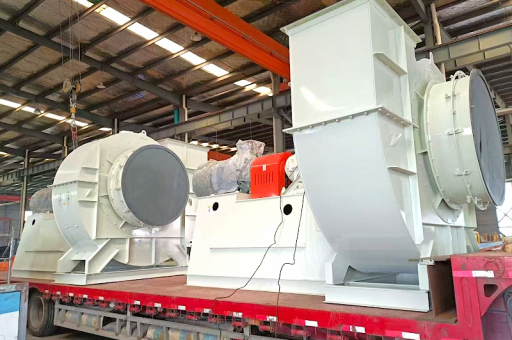
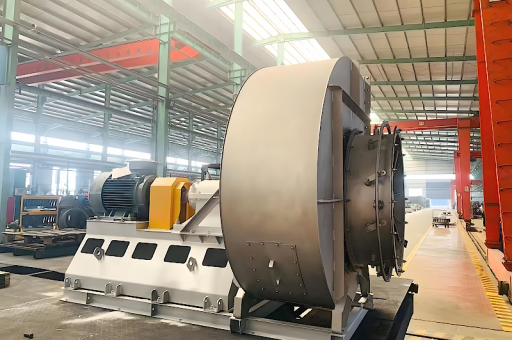
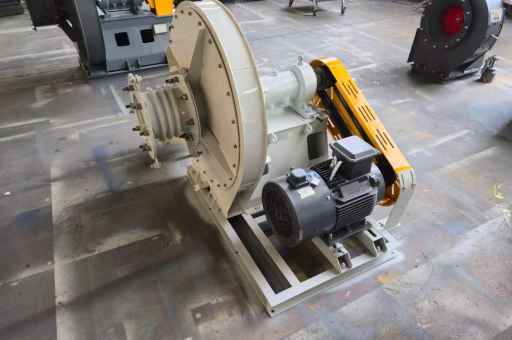
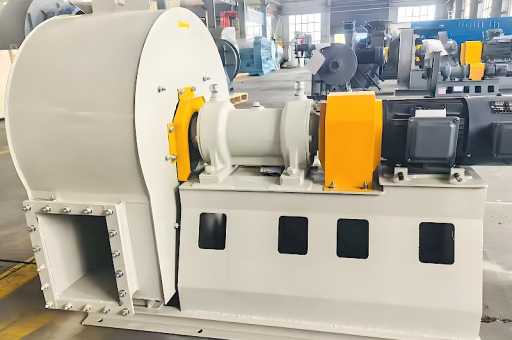
A high-temperature resistant insulated centrifugal fan is a specialized industrial fan engineered to move hot gases, combustion air, or process exhaust continuously at elevated temperatures—typically from 200 °C up to 650 °C or more. Its “insulated” characteristic refers to a thermal barrier (such as mineral wool, ceramic fiber, or vacuum‑jacketed layers) built into the fan casing or ducting to reduce heat transfer to surrounding equipment and personnel. Unlike standard fans that fail under high heat, this fan type uses heat-resistant alloys, high‑temperature bearings, and specially designed impellers to maintain structural integrity and performance under extreme thermal loads.
These fans are indispensable in steel mills, glass manufacturing, cement plants, chemical reactors, and any process where hot fumes must be evacuated safely and efficiently. According to industry standards (ISO 5801, AMCA 210), the performance curves for these fans must account for thermal expansion, density changes, and material fatigue over time.
Core Design Features: Heat‑resistant Materials, Insulation, and Aerodynamics
The design of a high‑temperature insulated centrifugal fan centers on three pillars:
- Material selection: Impellers and casings are typically made from stainless steel (e.g., 310S, 316L), Inconel, or Hastelloy for oxidation resistance. For extreme temperatures, ceramic‑coated blades or silicon‑carbide composites are used.
- Insulation layer: The outer casing often features an internal insulation blanket (≥100 mm thick mineral wool or ceramic fiber) sandwiched between inner and outer shells. This reduces surface temperature to safe levels (<60 °C) per OSHA/NFP regulations and prevents heat loss in the exhaust system.
- Aerodynamic optimization: The impeller design—backward‑curved, forward‑curved, or radial blades—is selected based on airflow and particulate content. At high temperatures, blade clearances increase due to thermal expansion, so designs incorporate expansion gaps and floating seals.
| Feature | Standard Fan | High‑temp Insulated Fan |
|---|---|---|
| Max temperature | ≤80 °C | 200 °C – 650 °C |
| Bearing type | Grease‑packed ball | Oil‑misted / water‑cooled sleeve |
| Casing insulation | None | Mineral wool / ceramic fiber |
| Impeller material | Cold‑rolled steel | 310S SS / Inconel |
How Does It Differ from Standard Centrifugal Fans?
Many engineers mistakenly assume any centrifugal fan can handle occasional high‑temperature spikes. In reality, the differences are fundamental:
- Bearing cooling: Standard fans rely on grease that degrades above 100 °C. High‑temp fans often incorporate a cooling fan on the motor shaft or a separate water jacket to keep bearings below 80 °C.
- Thermal isolation: The drive shaft is typically fitted with a heat slinger or a cooling disc that blocks conductive heat from the impeller to the motor.
- Casing strength: The housing is reinforced to withstand thermal stress and accidental mechanical impacts. Expansion joints are installed to prevent warping.
Without these modifications, a standard fan would seize, distort, or even catch fire when exposed to continuous hot gas flows.
Critical Applications Across Industries
High‑temperature insulated centrifugal fans are found in the most demanding environments:
- Cement industry: Kiln exhaust gas extraction at 350 °C, handling abrasive dust.
- Steel manufacturing: Blast furnace gas recirculation and fume extraction up to 600 °C.
- Chemical processing: Drying ovens, thermal oxidizers, and incinerators where corrosion‑resistant alloys are mandatory.
- Power generation: Biomass boilers and waste‑to‑energy plants where flue gases carry acidic components.
- Glass production: Float glass furnace venting at sustained 500 °C with minimal thermal leakage.
In each case, the fan’s insulated casing protects workers and maintains ambient temperatures, which is a regulatory requirement in many jurisdictions (e.g., EU Machinery Directive 2006/42/EC).
Performance Parameters: Temperature Range, Static Pressure, and Airflow
When selecting such a fan, three metrics dominate:
- Maximum continuous operating temperature: Most models are rated at 250 °C, 350 °C, or 600 °C. Check whether the rating applies to the gas temperature at the fan inlet—not the ambient.
- Static pressure: High‑temperature fans typically generate 1 kPa to 10 kPa. Remember that hot air is less dense, so static pressure ratings must be corrected for actual gas density (ISO 2533 standard).
- Airflow (CFM/m³/h): This must be calculated for the actual operating temperature and altitude. A fan rated at 10 000 CFM at 20 °C may deliver only 7 000 CFM at 400 °C due to density loss.
Always request a hot‑curve performance chart from the manufacturer—curves based on standard conditions (20 °C, 1.2 kg/m³) can be dangerously misleading.
Energy Efficiency and Noise Considerations
Insulated centrifugal fans are often larger than their uninsulated counterparts, which can affect efficiency:
- Motor sizing: A premium‑efficiency IE3/IE4 motor is recommended because high operating temperatures reduce motor life. Inverter‑duty motors are common for VFD speed control.
- Pressure drop: Insulation thickness adds weight but increases casing rigidity, reducing pulsation. However, the fan’s aerodynamic design must balance blade tip speed with noise output.
- Sound levels: Typical noise ranges from 75 dB(A) to 95 dB(A) depending on tip speed. Silencers (venturi absorbers or baffle mufflers) can be integrated into the insulated ductwork.
Industry studies (e.g., EASA AR100) show that properly insulated fans can achieve 5–8% lower total cost of ownership over 10 years compared to non‑insulated units, thanks to reduced heat‑related failures.
Installation, Maintenance, and Safety Best Practices
To maximize longevity and safety:
- Foundation and vibration: Mount the fan on a concrete base with vibration isolators. High‑temperature fans often experience thermal expansion moves of several millimeters during startup—flexible connections at both inlet and outlet are mandatory.
- Lubrication: Use high‑temperature grease (e.g., PTFE‑based) or an automatic oiler system. Some fans require a cool‑down period before relubrication.
- Insulation integrity: Inspect the insulation layer annually for moisture ingress or compression. Damaged insulation leads to hot spots on the casing and risk of burns.
- Startup procedure: Never start a high‑temp fan at full load when cold. Use a soft‑starter or VFD to gradually bring the impeller to speed while allowing thermal expansion to equalize.
Safety warning: Always lock out/tag out the power before any maintenance. High‑temperature fans can retain latent heat for hours after shutdown.
Frequently Asked Questions (FAQ)
Q1: Can I use a standard centrifugal fan for exhaust at 150 °C if I install a fan silencer?
A: No. The fan’s bearing, impeller, and casing materials are not designed for continuous exposure above 80 °C. Even at 150 °C, the bearings will fail within weeks, and the impeller may distort. Only a fan specifically rated for high temperature should be used.
Q2: What is the typical lifespan of a high‑temperature insulated centrifugal fan?
A: With correct installation and regular maintenance, such fans can operate 10–15 years in continuous service. Critical factors are bearing replacement (every 2–3 years) and impeller inspection for thermal fatigue cracks.
Q3: How do I know if the insulation is still effective?
A: Measure the surface temperature of the casing using a thermal imaging camera during operation. If the surface exceeds 70 °C (or the ∆T between casing and ambient exceeds 50 °C), the insulation may be compromised.
Q4: Are these fans explosion‑proof?
A: They can be made explosion‑proof by using a non‑sparking impeller (e.g., aluminum‑bronze) and a T‑rated motor. However, explosion‑proof certifications (ATEX, IECEx) must be requested specifically, as insulation alone does not prevent explosions.
Q5: Do insulated fans require a special motor cooling arrangement?
A: Yes. In most cases, the motor is mounted externally with a heat slinger or a separate forced‑air cooling shroud. For extremely high temperatures (>450 °C), a water‑cooled motor pedestal is recommended.
Conclusion: Choosing the Right Fan for Extreme Environments
A high-temperature resistant insulated centrifugal fan is not just a “bigger, hotter” version of a standard fan—it is a thoroughly engineered system designed to withstand thermal stress, corrosive gases, and continuous duty cycles that would destroy conventional equipment. When selecting one, prioritize:
- Verified hot‑performance data from the manufacturer.
- Compatible insulation thickness for your temperature range.
- Upfront investment in high‑grade alloys and premium motors.
By matching the fan’s capabilities to your process temperature, particulate load, and space constraints, you will achieve reliable, safe, and energy‑efficient operation for decades. For any industrial facility that moves hot gases, this fan is not an optional upgrade—it is an essential component of process safety and operational continuity.
For more information on specific models or to request a custom performance curve, contact your local industrial fan supplier. They can help you size a fan that meets your exact temperature, pressure, and airflow requirements.