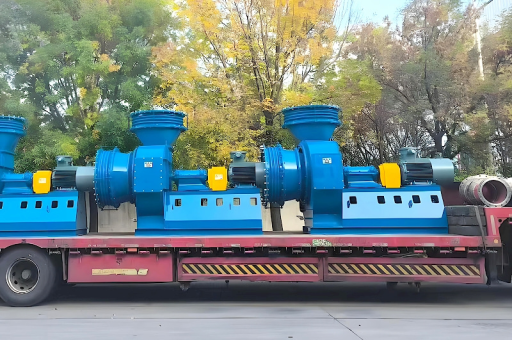
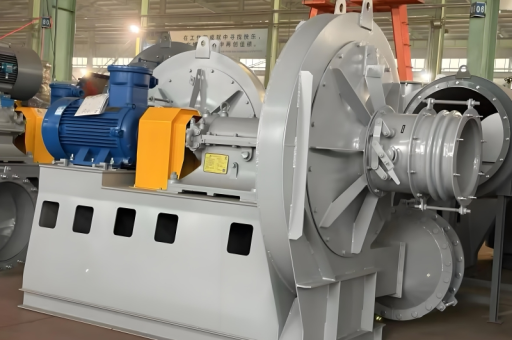
This article's table of contents introduction:
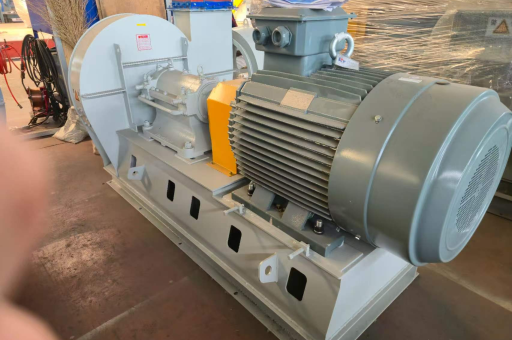
- The Core Concept: The "Dryer Fan"
- The Fan Type: High-Pressure Centrifugal Fan
- The Application: Induced Draft (ID) Fan
- Summary Table
- Common Confusion: Why "ID" is preferred for Dryers
It appears you're asking about the relationship and application of Dryer Fans, High-Pressure Centrifugal Fans, and Induced Draft (ID) Fans.
These three terms are often used in industrial drying systems (such as in paper mills, food processing, textile manufacturing, or biomass drying).
Here is the breakdown of how they relate to each other:
The Core Concept: The "Dryer Fan"
In the context of a drying system (e.g., a rotary dryer, flash dryer, or fluid bed dryer), the Dryer Fan is the primary air mover. Its job is to:
- Pull hot air through the heating system (burner or steam coils).
- Force that hot air through the drying chamber where the product is drying.
- Extract the moisture-laden air from the system.
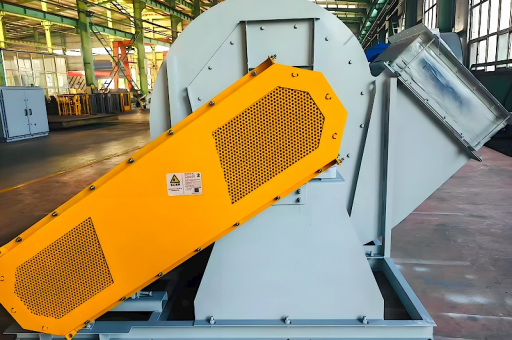
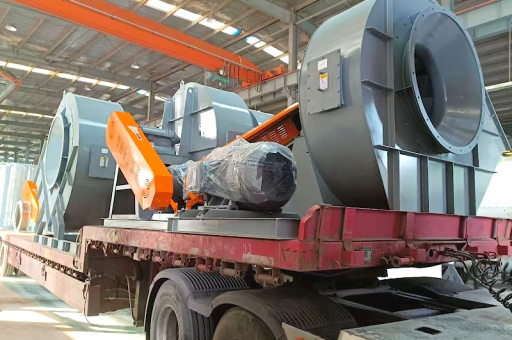
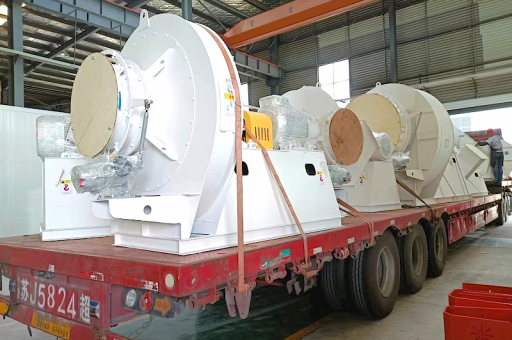
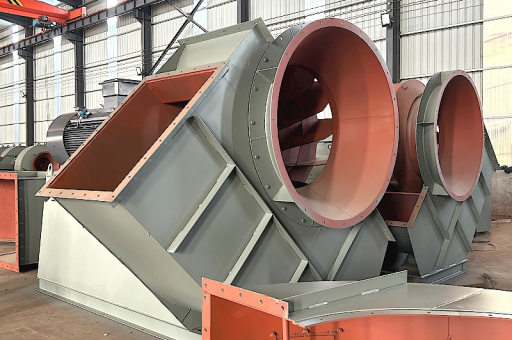
In most large-scale industrial dryers, this "Dryer Fan" is specifically a High-Pressure Centrifugal Fan configured as an Induced Draft (ID) fan.
The Fan Type: High-Pressure Centrifugal Fan
Drying systems require high pressure because the air must overcome resistance from:
- The drying drum or ductwork.
- The product bed or shower of material.
- Filters, scrubbers, or cyclones on the exhaust.
Why Centrifugal?
- Centrifugal fans are much better at generating high static pressure compared to axial fans (like desk fans).
- They are more robust and can handle slightly dirty or hot air better.
Key Design Characteristics:
- Wheels: Often have backward-inclined or radial blades to handle high pressure while also resisting dust build-up.
- Housings: Heavy-gauge steel to withstand the pressure and temperature.
The Application: Induced Draft (ID) Fan
Induced Draft refers to the position of the fan relative to the system.
Induced Draft (ID) Fan: The fan is placed after the drying chamber (at the "exhaust" or "downstream" end).
- It sucks the air out of the dryer.
- This creates a negative pressure inside the dryer. This is crucial for safety and efficiency because:
- Safety: If the dryer has a leak, the negative pressure pulls air in (cold) instead of pushing moist, hot air out (dangerous/caustic).
- Efficiency: The negative pressure helps pull the product through the dryer in some designs.
Forced Draft (FD) Fan: The fan is placed before the drying chamber (at the "inlet").
- It pushes air into the dryer.
- Creates positive pressure.
The answer to your implied question: In a typical industrial drying system, the Dryer Fan is almost always a High-Pressure Centrifugal fan operating in Induced Draft (ID) mode.
Summary Table
| Feature | Dryer Fan | High-Pressure Centrifugal Fan | Induced Draft (ID) Fan |
|---|---|---|---|
| Definition | The main fan moving air through the dryer. | The type of fan (how it builds pressure). | The position of the fan (suction side). |
| Role | Primary air mover for drying. | Generates high static pressure to overcome system resistance. | Creates negative pressure in the dryer. |
| Application | Specific to a drying process. | Used in pneumatic conveying, combustion air, and high-density ductwork. | Used to exhaust combustion gases or hot, moist air. |
| In a Dryer | This is the specific part of the system. | This is the mechanical design of the fan. | This is how the fan is connected (sucking). |
Common Confusion: Why "ID" is preferred for Dryers
- Heat Management: The ID fan is located at the end of the system. Therefore, it pulls air that is already hot and moist. This is safer than an FD fan (blower) which must push cold, potentially explosive air across a burner.
- Material Handling: An ID fan can handle slightly lighter particulates that escape the dryer (fines) because they are small enough to pass through the fan wheel.
- System Balance: By controlling the speed of the ID fan (with a VFD), you precisely control the drying gas, residence time, and temperature profile inside the dryer.
Conclusion: If you are designing or troubleshooting a dryer system, you are likely looking for a High-Pressure Centrifugal Fan that will be installed as an Induced Draft (ID) Fan. The specific fan wheel (type of blade) will depend on the corrosiveness and dust load of the drying air.