This article's table of contents introduction:
- Table of Contents
- Introduction: What Is a 200KW 304 Stainless Steel High-Temperature, High-Pressure Induced Draft Fan?
- Key Technical Specifications and Design Features
- Why 304 Stainless Steel? Material Advantages for Extreme Conditions
- Core Applications: Where These Fans Excel
- Frequently Asked Questions (FAQ)
- Installation Best Practices for Longevity and Safety
- Maintenance and Troubleshooting Guide
- Conclusion: Selecting the Right Fan for Your Industrial Process
Article Title:
The Ultimate Guide to 200KW 304 Stainless Steel High-Temperature, High-Pressure Induced Draft Fans: Performance, Applications, and Maintenance
Table of Contents
- Introduction: What Is a 200KW 304 Stainless Steel High-Temperature, High-Pressure Induced Draft Fan?
- Key Technical Specifications and Design Features
- Why 304 Stainless Steel? Material Advantages for Extreme Conditions
- Core Applications: Where These Fans Excel
- Frequently Asked Questions (FAQ)
- Installation Best Practices for Longevity and Safety
- Maintenance and Troubleshooting Guide
- Conclusion: Selecting the Right Fan for Your Industrial Process
Introduction: What Is a 200KW 304 Stainless Steel High-Temperature, High-Pressure Induced Draft Fan?
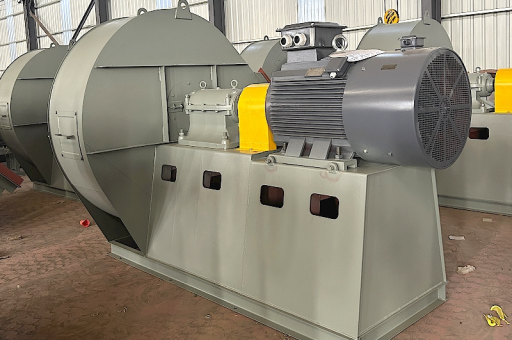
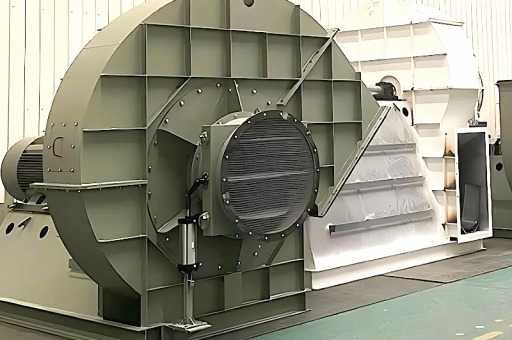
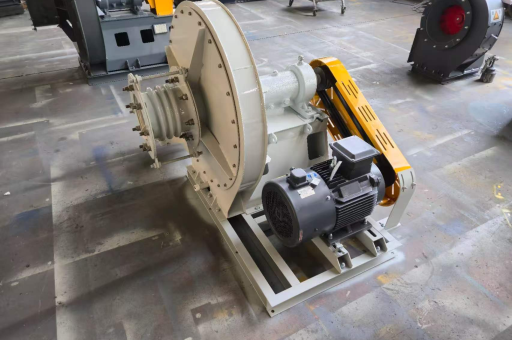
An induced draft fan (ID fan) is a critical component in industrial systems that require the removal of hot, corrosive, or high-pressure gases from a process chamber, boiler, furnace, or kiln. The 200KW 304 Stainless Steel High-Temperature, High-Pressure Induced Draft Fan is a specialized, heavy-duty solution engineered to operate reliably under extreme thermal and mechanical stress.
The "200KW" rating refers to the motor power, indicating that this fan can handle large volumes of gas flow (typically ranging from 100,000 to 250,000 m³/h depending on the specific impeller design and system resistance). "High-temperature" generally means it can withstand continuous gas temperatures from 400°C up to 600°C (with special design modifications it can go to 800°C). "High-pressure" signifies the fan is built to operate against system static pressures up to 10,000 Pa or higher. The use of 304 stainless steel makes it suitable for environments where both heat and moderate corrosive agents (like flue gas condensate or sulfur compounds) are present.
Unlike forced draft fans (which push air into a system), induced draft fans create a negative pressure or vacuum at the outlet, drawing gases through the equipment. This design is essential for maintaining proper combustion, preventing backflow of dangerous gases, and optimizing thermal efficiency.
Key Technical Specifications and Design Features
When sourcing a 200KW 304 stainless steel high-temperature, high-pressure ID fan, you should look for the following verified technical parameters:
| Specification | Typical Value / Range |
|---|---|
| Motor Power | 200 kW (270 HP) |
| Motor Speed | 1480 – 2980 RPM (4-pole or 2-pole induction motor) |
| Maximum Gas Temperature | 450°C – 600°C (standard) / up to 800°C (with cooling shroud) |
| Maximum Static Pressure | 8,000 – 15,000 Pa |
| Air Volume (Flow Rate) | 100,000 – 250,000 m³/h (at standard conditions) |
| Impeller Material | 304 Stainless Steel (full welded construction) |
| Casing Material | 304 Stainless Steel (reinforced for high pressure) |
| Bearing Housing | Water-cooled or air-cooled cast iron (with high-temp grease) |
| Shaft Seal | Labyrinth seal or carbon ring seal (to prevent hot gas leakage) |
| Vibration Monitoring | Optional (recommended) |
| Drive Type | Direct drive or heavy-duty V-belt drive |
Design Highlights:
- Impeller: The impeller is typically backward-curved or radial-tip to handle high static pressure without stalling. All welding is performed with full penetration and stress-relieved to prevent thermal fatigue cracks.
- Cooling System: For extreme high-temperature applications, the fan is equipped with a cooling shroud or an insulated casing, along with a cooling fan on the motor shaft to prevent heat transfer to the bearings and motor.
- Housing: The scroll casing is designed for heavy wall thickness (often 8mm – 12mm) with internal stiffeners to resist deformation under high pressure and thermal expansion.
- Gaskets and Fasteners: All gaskets are high-temperature ceramic fiber or graphite composite. Fasteners are 304 stainless steel or high-strength alloy.
Why 304 Stainless Steel? Material Advantages for Extreme Conditions
Choosing 304 stainless steel for a high-temperature, high-pressure induced draft fan is a strategic decision that balances cost, performance, and durability. Here is why 304 is the preferred material for many industrial fan manufacturers:
- Oxidation Resistance: 304 stainless steel can resist scaling (oxide formation) up to about 870°C in intermittent use and up to 800°C in continuous use. This is critical in high-temperature ID fans where flue gases contain oxygen, carbon dioxide, and water vapor.
- Corrosion Resistance: In many industrial processes (e.g., waste incineration, biomass boilers, chemical reactors), the gas stream contains sulfur dioxide, chlorine compounds, or acidic condensate. 304 provides better resistance than carbon steel to mild corrosive environments, extending the fan's operating life significantly.
- Mechanical Strength at Temperature: 304 retains a substantial portion of its room-temperature yield strength up to 500°C. This reduces the risk of creep deformation under high pressure.
- Ease of Fabrication and Weldability: 304 is weldable using standard TIG or MIG procedures (with filler metal 308L). It can be readily formed into the complex curved shapes required for high-efficiency impellers.
- Thermal Expansion Compatibility: 304 has a coefficient of thermal expansion that is compatible with other stainless steel components in the fan system, reducing thermal stress at joints.
Limitations: 304 is not suitable for extremely high sulfur or chloride environments (like coal-fired power plants with wet scrubbers) – in such cases, 316L or duplex stainless steel is recommended. For continuous service above 600°C, 310S stainless steel (with higher chromium and nickel content) would be required.
Core Applications: Where These Fans Excel
A 200KW 304 stainless steel high-temperature, high-pressure ID fan is a workhorse in demanding industrial sectors. The following are its primary application areas:
- Cement and Lime Kilns: Removing hot (350°C–500°C) exhaust gases from rotary kilns and preheaters, often containing abrasive dust and corrosive compounds.
- Waste-to-Energy (Incineration) Plants: Induced draft fans are used to draw combustion gases through the furnace, boiler, and emission control system (scrubbers, bag filters). The fan must handle temperatures of 400°C–600°C and corrosive gas components.
- Chemical and Petrochemical Process Heaters: Used in ethylene cracking furnaces, reformers, and other fired heaters to maintain proper draft and remove hot flue gases safely.
- Biomass Power Plants: Drawing high-moisture, high-temperature flue gases from wood-fired or agricultural waste boilers. 304 stainless steel resists corrosion from alkaline ash deposits.
- Glass Melting Furnaces: Induced draft is critical for controlling furnace pressure and removing hot gases (up to 600°C) from the melting chamber.
- Heat Treatment Furnaces (Steel, Aluminum): Removing combustion products and protective atmospheres without contaminating the processed material.
Real-world example: In a 50 MW biomass power plant, a 200KW ID fan with 304 stainless steel impeller and casing successfully operates at 480°C flue gas temperature, handling 180,000 m³/h flow at 12,000 Pa static pressure. The fan runs 8,000 hours annually with minimal maintenance, provided that the dust load is kept below 50 mg/Nm³ upstream.
Frequently Asked Questions (FAQ)
Q1: Can a 200KW 304 stainless steel high-temperature ID fan handle gases above 600°C?
A: Standard 304 stainless steel fans are rated for continuous service up to 600°C. For temperatures up to 800°C, the fan must include a cooling shroud, thermal insulation on the casing, and a special shaft cooling system. Above 800°C, material upgrade to 310S or Inconel 625 is necessary, along with a redesign of the bearing cooling system.
Q2: How does a 200KW ID fan differ from a standard axial-flow fan for the same power?
A: An ID fan (centrifugal type) is designed to overcome high system resistance (static pressure). A 200KW axial fan, even with the same power, can only handle low-pressure drops (usually under 2,000 Pa) and is not suitable for high-temperature or corrosive gas extraction. The centrifugal ID fan offers higher pressure generation (up to 15,000+ Pa) and is more robust against dust erosion.
Q3: What is the typical lifespan of such a fan under continuous operation?
A: With proper maintenance (regular bearing lubrication, vibration monitoring, and scheduled cleaning), the impeller and casing can last 3–5 years before significant wear or corrosion requires replacement. Bearings and seals typically need replacement every 1–2 years, depending on temperature and dust conditions.
Q4: How do I inspect the impeller for damage without shutting down the entire system?
A: Many modern ID fans are equipped with access doors and boroscope ports. You can use a flexible borescope to inspect the impeller blades, weld joints, and leading edges for cracks, corrosion, or erosion while the fan is stationary during a scheduled maintenance window. Permanent vibration sensors (accelerometers) also help detect imbalance or bearing degradation early.
Q5: Is it necessary to preheat the fan before starting?
A: Yes, to avoid thermal shock. The fan casing and impeller should be heated gradually to the operating temperature (typically over 1–2 hours) before reaching full speed. Many systems include a small bypass heater or controlled low-speed start.
Q6: Can the fan be used for gas with high dust loading (e.g., 200 mg/Nm³)?
A: It is possible, but it will increase erosion wear on the impeller blades, especially on the leading edges. In such cases, we recommend applying a ceramic coating or using a hardened overlay (e.g., Stellite) on the blade surfaces, or installing a pre-dust collector (cyclone or bag filter) upstream.
Q7: How do I choose between direct drive and belt drive?
A: Direct drive (motor shaft directly connected to the impeller) offers higher efficiency, lower maintenance, and is preferred for fixed-speed applications. Belt drive allows flexibility in fan speed adjustment (by changing pulleys) and is useful when you need to reduce startup torque or match a variable process flow. For a 200KW high-temperature fan, direct drive with a VFD (variable frequency drive) is often the best solution.
Installation Best Practices for Longevity and Safety
Proper installation of a 200KW 304 stainless steel high-temperature, high-pressure ID fan is critical to prevent premature failure, energy loss, and safety hazards.
-
Foundation and Mounting:
- The fan base must be cast-in-place concrete or heavy steel I-beam frame, designed to absorb vibrations and support 200KW motor weight (typically 1,500–2,500 kg total assembly).
- Use vibration isolation pads or spring mounts under the fan and motor base.
-
Ductwork Connection:
- Connect the fan inlet and outlet ducts using flexible expansion joints (stainless steel bellows or high-temperature fabric) to accommodate thermal expansion (up to 20mm in some cases).
- Ensure the ductwork is properly supported independently of the fan – avoid transferring pipe loads to the fan casing.
-
Piping for Cooling System:
If the fan has water-cooled bearings (for gas temperatures above 450°C), install a dedicated cooling water supply and return line with a flow meter and temperature gauge. Water flow should be at least 30–50 L/min per bearing housing.
-
Electrical and Controls:
- The 200KW motor typically requires a 380V–690V three-phase supply (depending on local standards) and a soft starter or VFD to reduce inrush current.
- Install a control panel with an emergency stop, overload protection (thermal relay or circuit breaker), and vibration trip (if vibration exceeds 5 mm/s RMS).
-
Safety Systems:
- Install a pressure relief valve or explosion panel on the ductwork near the fan inlet in case of gas explosion or sudden pressure spike.
- Ensure the fan housing is grounded to prevent static electricity buildup (especially in dry, dusty gas streams).
-
Commissioning:
- Perform a dry run (no heat) at low speed for 2–4 hours to check vibration levels, bearing temperatures, and alignment.
- Gradually increase speed and temperature to operating conditions, monitoring all parameters.
Maintenance and Troubleshooting Guide
A systematic maintenance program extends the life of a 200KW 304 stainless steel ID fan. Below is a recommended schedule and common issues.
Weekly / Monthly Checks:
- Check bearing temperature (should not exceed 90°C for grease-lubricated bearings; 70°C for oil-lubricated).
- Listen for unusual noises (grinding, whining, which indicate bearing or impeller damage).
- Inspect vibration readings (using portable meter) – alert if vibration exceeds 4 mm/s.
- Check sealing air or cooling water flow and temperature.
Quarterly / Every 3 Months:
- Inspect impeller through access doors for signs of erosion, corrosion, or cracking. Focus on blade leading edges and weld joints.
- Check belt tension (if belt drive) – adjust or replace as needed.
- Lubricate bearings with high-temperature grease (e.g., polyurea-based, rated for 180°C).
Annual Overhaul:
- Remove the impeller for thorough cleaning and non-destructive testing (dye penetrant or MPI).
- Replace all seals and gaskets.
- Measure impeller balance (field balancing may be needed if it was damaged).
- Inspect motor insulation resistance (should be > 1 MΩ at 500V).
Common Troubleshooting Issues:
| Issue | Probable Cause | Solution |
|---|---|---|
| High vibration (>6 mm/s) | Impeller imbalance from dust buildup, erosion, or bent shaft | Clean impeller, rebalance, or replace damaged parts |
| Bearing overheating | Lack of lubrication, excessive preload, or cooling system failure | Re-grease, adjust clearance, repair cooling lines |
| Reduced airflow / pressure | Damper stuck, impeller eroded, or system resistance increased | Check damper position, inspect impeller, clean ductwork |
| Hot gas leakage from shaft seal | Seal wear or shaft misalignment | Replace seal (carbon ring or labyrinth), realign shaft |
| Motor tripping on overload | Damper closed, air density higher than design, or belt slipping | Open damper, adjust belt, check motor parameters |
Conclusion: Selecting the Right Fan for Your Industrial Process
The 200KW 304 Stainless Steel High-Temperature, High-Pressure Induced Draft Fan is a robust, specialized solution for industries that must manage extreme thermal and mechanical conditions. Its key advantages – high corrosion resistance, structural integrity at elevated temperatures, and the ability to generate significant static pressure – make it suitable for cement, waste-to-energy, biomass, chemical, and glass production processes.
When evaluating a specific ID fan for your plant, consider the following factors:
- Actual gas temperature and composition (especially chloride and sulfur levels).
- Required flow rate and static pressure (design margins of 10–15% are recommended).
- Dust load and whether pre-cleaning is needed upstream.
- Available space and foundation for the fan and motor assembly.
- Maintenance access – ensure the fan is installed in a location with room for impeller removal.
Always partner with manufacturers who provide full design data (performance curves, material certifications, and stress calculations) and who offer on-site commissioning support. With proper selection, installation, and maintenance, a 200KW 304 stainless steel ID fan can deliver reliable, energy-efficient service for years, protecting your equipment and personnel while maximizing your process uptime.