This article's table of contents introduction:
- Table of Contents
- Introduction: What is a Gas Blower?
- How Does a Gas Blower Work? The Fundamental Mechanism
- Key Types of Gas Blowers in the Market
- Critical Applications of Gas Blowers Across Industries
- Gas Blower vs. Compressor vs. Fan: What’s the Difference?
- How to Select the Right Gas Blower for Your System
- Maintenance Best Practices for Longevity and Efficiency
- Frequently Asked Questions (FAQ)
- Conclusion: The Future of Gas Blower Technology
Here is a comprehensive, SEO-optimized article on Gas Blower, written in English, with a table of contents, Q&A sections, and detailed technical insights.
** The Ultimate Guide to Gas Blowers: Types, Applications, and Future Trends in Industrial Air Movement
Table of Contents
- Introduction: What is a Gas Blower?
- How Does a Gas Blower Work? The Fundamental Mechanism
- Key Types of Gas Blowers in the Market
- 1 Centrifugal Gas Blowers
- 2 Positive Displacement (Roots-Type) Gas Blowers
- 3 High-Speed Turbo Blowers
- Critical Applications of Gas Blowers Across Industries
- 1 Wastewater Treatment
- 2 Chemical and Petrochemical Processing
- 3 Power Generation
- 4 Pneumatic Conveying
- Gas Blower vs. Compressor vs. Fan: What’s the Difference?
- How to Select the Right Gas Blower for Your System
- Maintenance Best Practices for Longevity and Efficiency
- Frequently Asked Questions (FAQ)
- Conclusion: The Future of Gas Blower Technology
Introduction: What is a Gas Blower?
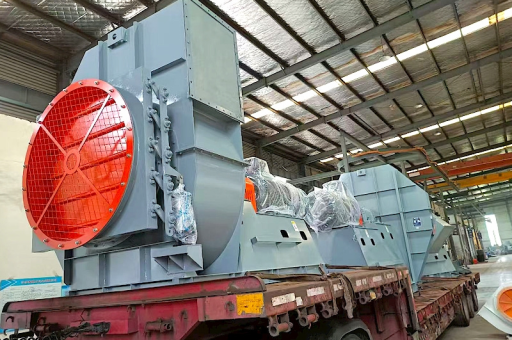
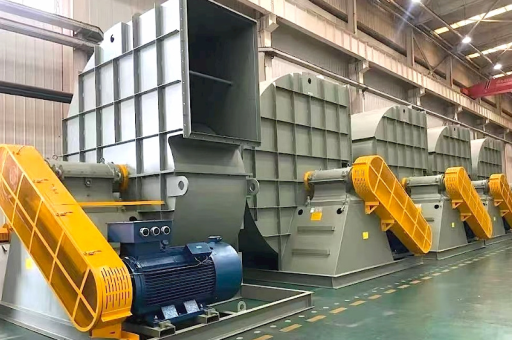
A Gas Blower is a mechanical device designed to move air or other gases at a moderate pressure increase. Unlike a standard fan, which moves high volumes of air at very low pressure, a gas blower is engineered to overcome higher system resistance. It is the workhorse of many industrial processes, providing the necessary gas flow for aeration, combustion, pneumatic conveying, and vacuum systems.
In the modern industrial landscape, efficiency and reliability are paramount. Gas blowers are critical components in sectors ranging from wastewater treatment plants to chemical refineries. They are distinct from compressors because they typically operate at a pressure ratio between 1.1 and 1.3, making them ideal for moving large volumes of gas without the intense compression heat or energy consumption of a compressor.
How Does a Gas Blower Work? The Fundamental Mechanism
The operation of a gas blower relies on the principle of converting kinetic energy into pressure (in centrifugal types) or trapping and moving fixed volumes of gas (in positive displacement types).
- Kinetic Energy Conversion: In a centrifugal gas blower, an impeller rotates at high speed, accelerating the gas outward. The gas then passes through a volute or diffuser, where its velocity is converted into static pressure.
- Positive Displacement: In a Roots-type blower, two interlocking lobes rotate in opposite directions. They trap a specific volume of gas between the lobes and the casing, forcing it from the inlet to the outlet without internal compression.
The choice of mechanism depends entirely on the application’s need for stable flow versus variable pressure.
Key Types of Gas Blowers in the Market
Choosing the correct type of gas blower is crucial for system optimization. Here are the three most common types found in industrial settings:
1 Centrifugal Gas Blowers
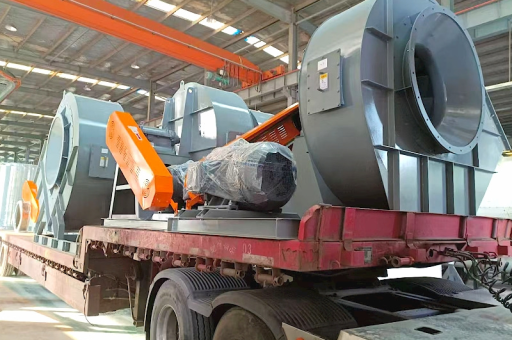
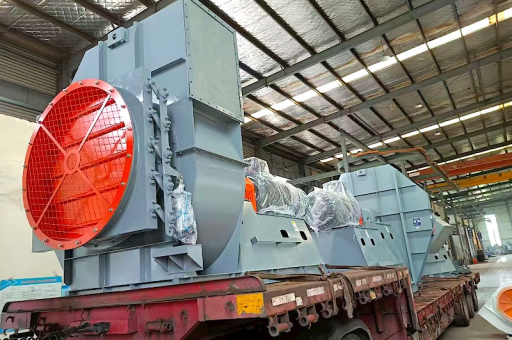
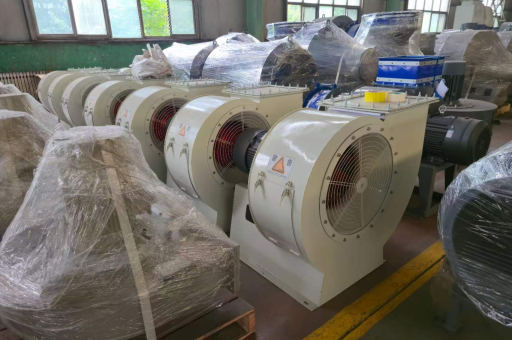
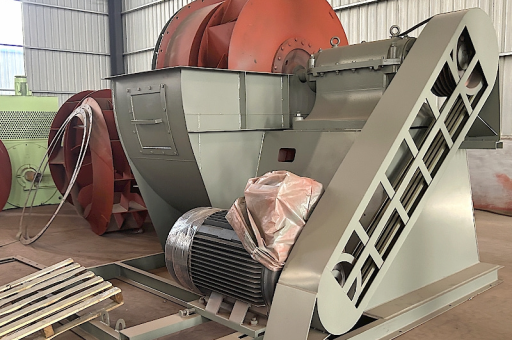
Centrifugal blowers are the most common type for high-flow, low- to medium-pressure applications. They operate smoothly and are often quieter than positive displacement blowers.
- Pros: High flow rates, oil-free operation (in certain designs), compact footprint.
- Cons: Can experience surge (flow instability) at low flow rates; efficiency drops significantly away from the design point.
2 Positive Displacement (Roots-Type) Gas Blowers
Roots blowers are the "old reliable" of the industry. They are ideal for applications requiring constant flow regardless of backpressure changes, such as in pneumatic conveying or aeration basins.
- Pros: Constant volume flow, robust design, easy to maintain.
- Cons: No internal compression leads to heat generation; typically noisier and less efficient at high pressures compared to modern turbo blowers.
3 High-Speed Turbo Blowers
This is the cutting-edge category. High-speed turbo blowers use advanced magnetic bearings and high-frequency drives to spin impellers at speeds exceeding 20,000 RPM. They are the most energy-efficient option available.
- Pros: Up to 35% energy savings over traditional blowers, intelligent control systems, very quiet.
- Cons: Higher initial capital cost; requires skilled technicians for repair.
Critical Applications of Gas Blowers Across Industries
Gas blowers are not just "air movers"; they are process enablers. Here are the primary industries that depend on them:
1 Wastewater Treatment
This is the largest market for gas blowers. Aeration blowers supply oxygen to aerobic bacteria in activated sludge systems. Without these blowers, biological waste treatment would be impossible. The trend here is shifting from Roots blowers to high-efficiency turbo blowers to cut electricity costs, which can account for 60% of a plant’s energy bill.
2 Chemical and Petrochemical Processing
In chemical plants, gas blowers are used for fluidized bed drying, gas recirculation, and vapor recovery. They must often handle corrosive or explosive gases, requiring specialty materials like stainless steel or aluminum casings.
3 Power Generation
Gas blowers are essential in coal-fired and biomass power plants for fluidizing the fuel bed in fluidized bed boilers (FBC). They also supply air for sulfur dioxide scrubbers.
4 Pneumatic Conveying
Bulk powder and granular material transport relies on blowers. Positive displacement blowers are the standard here because they provide a steady stream of air to push cement, flour, or plastic pellets through pipelines.
Gas Blower vs. Compressor vs. Fan: What’s the Difference?
A common confusion exists between these three devices. The differentiation is based on Pressure Ratio and Application.
| Feature | Fan | Gas Blower | Compressor |
|---|---|---|---|
| Pressure Ratio | < 1.1 | 1 to 1.3 | > 1.3 |
| Output Pressure | Very low | Low to moderate | High to very high |
| Primary Use | Ventilation, cooling | Aeration, material handling | Refrigeration, gas storage |
| Internal Heat | Minimal | Moderate | Significant (requires cooling) |
Summary: If you need to push air through a room, use a fan. If you need to push air against a filter or into a deep tank of water, use a blower. If you need to fill a scuba tank, use a compressor.
How to Select the Right Gas Blower for Your System
Selecting the wrong gas blower leads to inefficiency and frequent failures. Follow this checklist:
- Determine the Required Flow (CFM): How much gas volume do you need per minute?
- Calculate the Differential Pressure (PSI): What is the resistance of the system (pipes, valves, water depth)?
- Assess Gas Composition: Is the gas air, natural gas, biogas, or a corrosive chemical? This determines the seal and material type.
- Evaluate Energy Costs: High-speed turbo blowers have a high upfront cost but lower total cost of ownership over 10 years.
- Check Noise Regulations: If the unit is near residences or offices, sound enclosures are mandatory.
Maintenance Best Practices for Longevity and Efficiency
A well-maintained gas blower can last 20+ years. Neglect can kill it in 6 months.
- Belt Tension (for Belt-Driven Units): Check monthly. Loose belts slip and waste energy; tight belts destroy bearings.
- Lubrication: Use the exact oil viscosity recommended by the manufacturer. Over-greasing bearings is as bad as under-greasing.
- Air Filter Cleaning: The number one cause of blower failure is dirty filters. A clogged inlet creates a vacuum, causing oil to be sucked past the seals.
- Vibration Analysis: Use a vibration pen monthly. A sudden increase in vibration often indicates a failing bearing or impeller imbalance.
Frequently Asked Questions (FAQ)
Q1: Can a gas blower run continuously 24/7? Yes. Most industrial gas blowers are designed for continuous duty. However, the life expectancy depends on ambient temperature, lubrication, and load level. Turbo blowers with magnetic bearings can run indefinitely without wear.
Q2: What is "surge" in a centrifugal gas blower? Surge is a violent instability that occurs when the flow rate drops below the blower's minimum operating point. The gas oscillates backward through the impeller, causing loud noises and potential mechanical damage. Modern controls prevent this.
Q3: How loud is a typical gas blower? Standard Roots blowers can produce 85-100 dB(A) at 1 meter. High-speed turbo blowers are significantly quieter, often below 75 dB(A). Always wear hearing protection near older blowers.
Q4: What is the difference between a "gas blower" and an "air blower"? In engineering terms, an air blower is a specific type of gas blower where the working fluid is atmospheric air. A gas blower is the broader term covering all gases, including methane, nitrogen, or steam. The same machine can often handle different gases with modifications to seals and materials.
Q5: How do I increase the pressure of my gas blower? You cannot simply "speed up" a positive displacement blower to increase pressure without risking overheating. For higher pressure, you might need a multistage centrifugal blower or a compressor. For roots blowers, the discharge pressure is determined by the system load, not the blower speed, until the mechanical limits are reached.
Conclusion: The Future of Gas Blower Technology
The gas blower industry is undergoing a quiet revolution. The shift is away from constant-speed, fixed-volume machines toward smart, high-speed, variable-speed turbo blowers. Driven by the global need for energy efficiency and carbon reduction, future blowers will feature:
- AI-driven control: Systems that autonomously adjust flow to match real-time demand.
- Oil-free technology: Eliminating the risk of oil contamination in sensitive processes.
- Predictive maintenance: Sensors that tell you when a bearing will fail weeks in advance.
For plant managers, the message is clear: the upfront cost of a premium gas blower is an investment in operational excellence. Whether you are aerating a wastewater plant or conveying grain, the right blower is the heart of your process. For more information on specific models or to request a performance analysis, please visit our official resource page at fan.
(End of Article)