This article's table of contents introduction:
- Core Meaning
- Key Design Implications
- Common Applications (Where you find "Non-Tar" blowers)
- The Opposite: "Tar" Blowers
- Summary Table
- Key Takeaway
This is a specific term, often found in industrial ventilation, material handling, or agricultural applications.
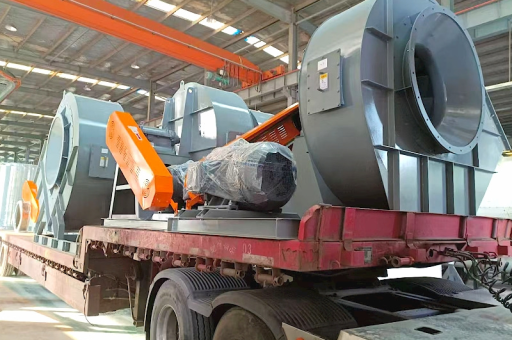
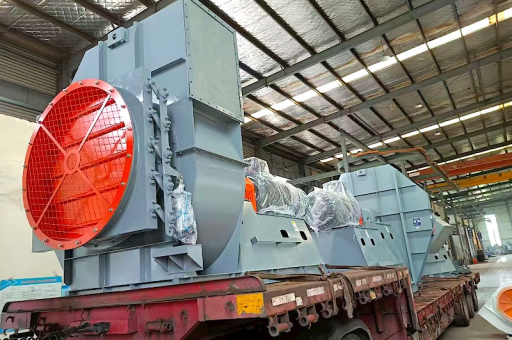
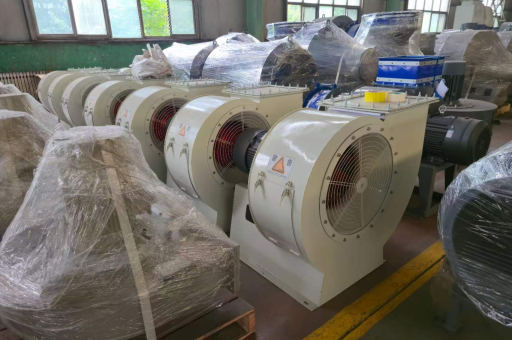
A Non-Tar Pressurized Blower is a type of fan or blower specifically designed to handle air or gas streams that contain no tar, oil, or sticky condensates.
Here is a breakdown of what this means, where it is used, and why it is a necessary specification.
Core Meaning
- "Non-Tar": This is the critical specification. It means the blower is intended for clean or dry media.
The air/gas being moved does not contain sticky, viscous hydrocarbons (tar), heavy oils, or other condensates that would gum up the internal components.
- "Pressurized Blower": This refers to the blower's duty. It is not just moving air (low pressure); it is designed to overcome significant system resistance (ductwork, filters, long pipe runs) and deliver air at a higher static pressure (usually > 10-20 inches of water gauge, up to several PSI).
Key Design Implications
If the blower is specified as "Non-Tar," the manufacturer has likely made specific material and design choices. These are not standard heavy-duty industrial exhauster fans.
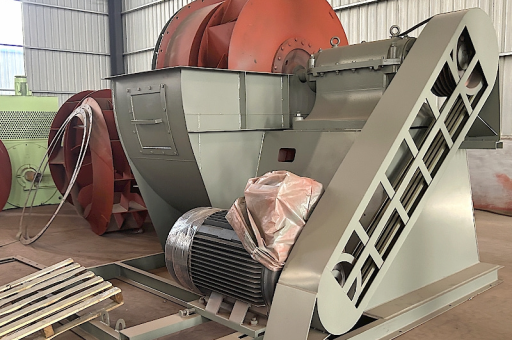
- Wheel Design: The impeller is typically a radial or paddlewheel design (not a backward-inclined or airfoil blade). The blades are often flat or slightly curved and are designed to be self-cleaning (since there is no tar to stick, the wheel is simpler).
- Material: Often made from Carbon Steel (which is fine for clean, dry air) or Aluminum (for spark resistance). They avoid materials like cast iron with rough internal finishes that tar could stick to.
- Housing: A simple, scroll-type housing. The clearance between the wheel and housing is typically generous, not tight.
- Shaft & Seals: Standard shaft seals. No need for expensive, complex seals required for handling sticky or hazardous tars.
- Bearings: Overhung or pedestal bearings, outside the air stream. Because the air is clean, there is no risk of the bearings being contaminated by tar leaking past the shaft seal.
Common Applications (Where you find "Non-Tar" blowers)
Because they handle clean, pressurized air, these blowers are used as high-pressure air sources in many process industries.
- Combustion Air:
In furnaces, boilers, and kilns, clean air must be forced into the combustion chamber under pressure. Tar would foul the burner nozzles, so a "Non-Tar" blower is used.
- Pneumatic Conveying (Dense Phase):
For moving granular materials (cement, plastic pellets, grain) through pipes. The blower provides the high-pressure, clean air to fluidize and push the material. Tar in the air would contaminate the product.
- Aeration:
In wastewater treatment, high-discharge blowers provide air to biological treatment basins. Tar is strictly prohibited.
- Gas Boosting:
Moving clean, non-condensable industrial gases (like natural gas or biogas that has been scrubbed of tar) from low pressure to higher pressure.
- Pneumatic Tool & Instrument Power:
Providing a high-volume, low-pressure (compared to compressors) air source for applications where oil-free or tar-free air is an absolute necessity.
The Opposite: "Tar" Blowers
For context, a Tar Blower or Exhauster is specifically built to handle heavy, sticky, and condensing fumes from:
- Steel Mill Coke Ovens
- Asphalt / Bitumen Processing
- Synthetic Fuel (Syngas) Clean-up
Those blowers require:
- Water-jacketed housings (to cool the gas and prevent tar from baking on).
- Heavy duty shaft seals (to prevent sticky tar from leaking onto bearings).
- Solid, blunt blades (on the impeller) that can be periodically cleaned of tar buildup.
- Large, smooth clearances to prevent the wheel from being glued to the housing by tar.
Summary Table
| Feature | Non-Tar Pressurized Blower | Tar Blower / Exhauster |
|---|---|---|
| Media | Clean, dry air, dust, granules | Hot, sticky, condensing fumes (tar, oil) |
| Wheel Design | Radial / Paddle (efficient for pressure) | Heavy-duty, blunt, self-cleaning profile |
| Housing | Standard steel scroll | Cast iron or steel, often water-jacketed |
| Shaft Seals | Simple labyrinth or lip seal | Specialized heavy-duty (packing, double mechanical with flush) |
| Bearings | Standard, external to air stream | Heavy-duty pedestal, often with external cooling |
| Risk of Fouling | Very low (by design) | High; requires regular maintenance and cleaning |
| Cost | Lower | Much Higher (due to heavy build & cooling) |
Key Takeaway
If a system requires a Non-Tar Pressurized Blower, it is a standard-duty, high-pressure fan for moving clean air or inert gas. It must never be subjected to sticky, tar-laden gases, or its internal clearances will foul and the motor will overload. It is the "simple, clean" cousin of the "heavy, dirty" tar-handling exhauster.