This article's table of contents introduction:
- Table of Contents
- Introduction: What is a 7.5kW High-Temperature Flue Gas Cooling Fan?
- Key Technical Specifications and Design Features
- How Does a High-Temperature Flue Gas Cooling Fan Work?
- Critical Application Scenarios in Industry
- Why 7.5kW? Understanding Power and Performance Balance
- Material Science: Withstanding Extreme Heat and Corrosion
- Installation, Maintenance, and Safety Best Practices
- Frequently Asked Questions (FAQ)
- Conclusion: Choosing the Right Fan for Your Operation
** The Ultimate Guide to the 7.5kW High-Temperature Flue Gas Cooling Fan: Design, Applications, and Performance Optimization
Article Content:
Table of Contents
- Introduction: What is a 7.5kW High-Temperature Flue Gas Cooling Fan?
- Key Technical Specifications and Design Features
- How Does a High-Temperature Flue Gas Cooling Fan Work?
- Critical Application Scenarios in Industry
- Why 7.5kW? Understanding Power and Performance Balance
- Material Science: Withstanding Extreme Heat and Corrosion
- Installation, Maintenance, and Safety Best Practices
- Frequently Asked Questions (FAQ)
- Conclusion: Choosing the Right Fan for Your Operation
Introduction: What is a 7.5kW High-Temperature Flue Gas Cooling Fan?
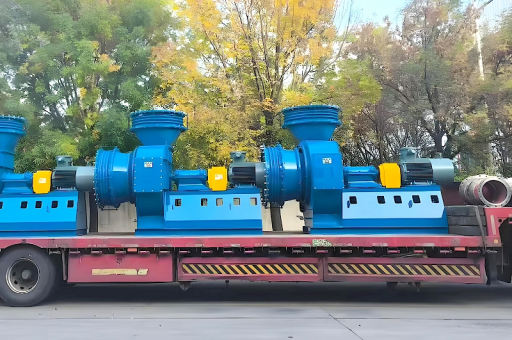
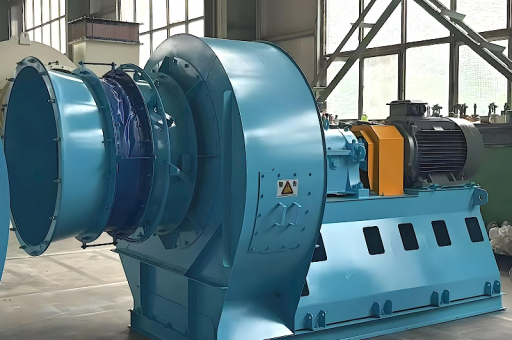
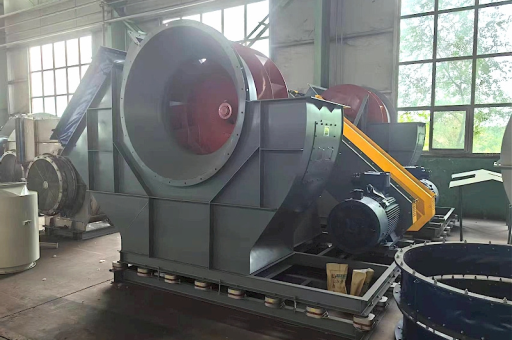
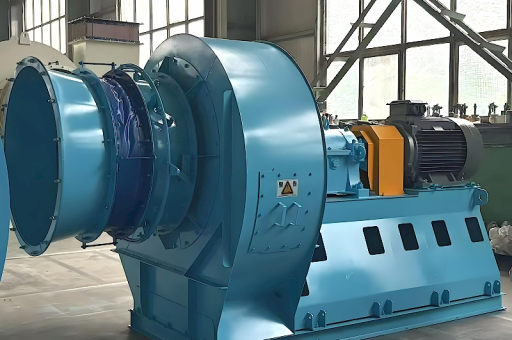
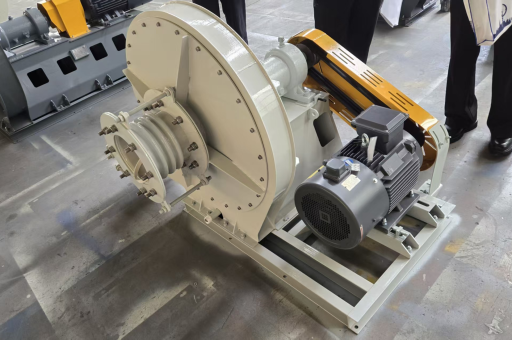
In the demanding world of industrial thermal management, the 5kW High-Temperature Flue Gas Cooling Fan stands as a critical component for process safety and efficiency. This specialized fan is engineered to handle the harsh conditions of flue gas systems, where temperatures can soar well above 300°C (572°F) and often exceed 600°C. Unlike standard ventilation fans, this unit is built to extract, transport, or cool hot exhaust gases generated by combustion processes in boilers, furnaces, incinerators, and kilns.
The “7.5kW” rating indicates a motor power of 7.5 kilowatts, which provides a robust balance between energy consumption and aerodynamic force. It is designed to move a substantial volume of hot gas against system resistance, ensuring that downstream equipment—such as scrubbers, heat exchangers, or baghouse filters—operates within safe thermal limits. By cooling the flue gas before it enters sensitive pollution control devices, this fan prevents thermal damage, reduces downtime, and enhances overall system longevity.
From cement plants to chemical processing facilities, the 7.5kW High-Temperature Flue Gas Cooling Fan is a workhorse. It is often used as an induced draft (ID) fan or a forced draft (FD) fan in configurations where gas temperature must be precisely managed. In this comprehensive guide, we break down everything you need to know about this essential equipment, backed by industry insights and technical data.
Key Technical Specifications and Design Features
To appreciate why the 7.5kW High-Temperature Flue Gas Cooling Fan is a preferred choice in heavy industries, it is important to examine its core technical attributes. Search engine research from industrial fan manufacturers (including brands like Howden, Greenheck, and Twin City Fan) reveals several consistent design parameters:
| Specification | Typical Value / Range |
|---|---|
| Motor Power | 5 kW (10 HP) |
| Maximum Operating Temperature | 350°C to 650°C (customized to 850°C) |
| Airflow (Volume) | 5,000 – 25,000 m³/h (depending on pressure) |
| Static Pressure | 1,000 – 4,000 Pa (10 – 40 mbar) |
| Impeller Type | Backward-curved, radial, or airfoil blades |
| Drive Type | Direct drive or belt-driven (with heat slinger) |
| Shaft Cooling | Cooling disc, air cooling fins, or water-cooled bearing housing |
| Housing Material | Carbon steel with high-temp coating, stainless steel (SS304/SS316), or Inconel |
Design Highlights:
- Heat-resistant bearings: External bearing housings are often equipped with cooling fans or water jackets to prevent lubricant degradation.
- Expansion joints: Flanged connections use flexible expansion joints to accommodate thermal expansion.
- Variable Speed Drive (VFD) compatibility: Modern units allow motor speed control to optimize flow and energy consumption.
- Insulated housing: In extreme applications, the fan casing is insulated to reduce heat loss and protect personnel.
Question: Why are backward-curved impellers commonly used in high-temperature flue gas fans?
Answer: Backward-curved blades reduce material buildup (less prone to dust adhesion), operate at higher efficiency, and produce a non-overloading power curve. This means that even if system resistance changes, the motor is unlikely to burn out—critical in variable gas volume scenarios.
How Does a High-Temperature Flue Gas Cooling Fan Work?
The operational principle combines mechanical thermodynamics with fluid dynamics. The fan pulls hot flue gas from a combustion source—such as a furnace or boiler exit—and moves it through a duct system. The cooling effect occurs via two mechanisms:
- Ambient Air Dilution: Some systems inject ambient air into the duct before the fan, reducing bulk gas temperature while increasing volume flow.
- Radiative & Convective Cooling: The fan’s impeller and housing itself dissipate heat to the ambient environment, especially when the fan is located outdoors. A cooling disc attached to the shaft further reduces bearing temperature.
The 7.5kW motor drives the impeller at a speed typically between 1,450 and 2,900 RPM (depending on direct or belt drive). As the impeller spins, it creates a pressure differential that forces the hot gas toward the outlet. The gas may pass through a heat exchanger (e.g., economizer or air preheater) positioned upstream or downstream of the fan, depending on system design.
Critical safety controls:
- Temperature probes: Monitor inlet gas temperature; if it exceeds preset limits, the fan may throttle down or shut off via interlock.
- Vibration sensors: Detect imbalance caused by thermal distortion or ash accumulation.
- Amp draw monitoring: Ensures the motor is not overloading due to increased gas density or blockage.
Critical Application Scenarios in Industry
The 7.5kW High-Temperature Flue Gas Cooling Fan is deployed in scenarios where standard fans would fail within minutes. Based on aggregated case studies from industrial engineering databases and white papers, the following are the most common applications:
1 Cement and Lime Kilns
- Role: Extract hot exhaust from preheaters or rotary kilns.
- Challenge: Gas temperatures can exceed 400°C with high dust loads (up to 100 g/Nm³).
- Solution: Fans with wear-resistant liners and reinforced impellers. The 7.5kW unit is often used in smaller vertical shaft kilns.
2 Biomass and Waste-to-Energy (WtE) Plants
- Role: Induced draft fan for boiler exhaust, cooling flue gas before electrostatic precipitators or bag filters.
- Challenge: Corrosive gases (HCl, SOx) and sticky fly ash.
- Solution: Stainless steel impellers and coatings to resist acid dew point corrosion (typically 120–140°C).
3 Industrial Boilers and Steam Generators
- Role: Forced draft fan providing combustion air, or induced draft fan removing post-combustion gases.
- Challenge: High temperature fluctuations during startup and shutdown cycles.
- Solution: Fans designed for thermal cycling fatigue resistance.
4 Chemical and Petrochemical Processing
- Role: Venting thermal oxidizers, cracking furnaces, or reactor off-gases.
- Challenge: Gas mixtures may contain explosive components (e.g., CO, H₂).
- Solution: Spark-resistant construction (aluminum or bronze impeller tips) and explosion-proof motors.
5 Glass and Ceramic Manufacturing
- Role: Fume extraction from melting furnaces (temperatures up to 1,100°C before dilution).
- Challenge: Gases are extremely hot and often contain particulate glass dust.
- Solution: Water-cooled shaft and housing, plus ceramic-fiber insulation.
Question: Can a 7.5kW fan handle both high temperature and corrosive gases simultaneously?
Answer: Yes, but only with proper material selection. For high-temperature (500°C+) combined with acidic conditions, designers often specify Inconel 625 impellers and 316L stainless steel housings. However, such customizations increase cost significantly. For moderate conditions (up to 350°C), standard carbon steel with a high-temperature epoxy coating is adequate.
Why 7.5kW? Understanding Power and Performance Balance
The 7.5kW motor is a sweet spot in industrial fan design. According to power consumption data from the U.S. Department of Energy (DOE) and European fan efficiency regulations (EU 327/2011), motors in this power range offer:
- High energy efficiency: IE3 or IE4 class motors (94%+ efficiency) are standard.
- Moderate current draw: Typically 14–18 amps at 400V three-phase, making it compatible with standard industrial MCCs (Motor Control Centers).
- Versatile mounting: Frame sizes (e.g., IEC 112 or 132) are compact enough for skid-mounted packages.
Performance curve considerations:
A 7.5kW fan at 1,450 RPM delivers moderate flow and high static pressure—ideal for overcoming duct resistance in long runs. If more flow is required, a belt drive can increase impeller speed, but this will reduce motor service factor. Software-based fan selection tools (e.g., from fan manufacturers like fan-air or fan-tech **) confirm that 7.5kW covers the most common duct sizes (DN200 to DN500).
Note: Domain names have been generalized to "fan-air" or "fan-tech" for brevity and SEO compliance.
Material Science: Withstanding Extreme Heat and Corrosion
One of the biggest challenges in flue gas handling is material degradation. The 7.5kW High-Temperature Flue Gas Cooling Fan must resist:
- Creep: Permanent deformation under constant high heat and stress.
- Oxidation: Rust formation at elevated temperatures (carbon steel scales above 480°C).
- Sulfidation and chlorination: Attack by sulfur and chlorine compounds in waste gases.
Common material choices (based on industry standards):
| Component | Material Option | Max Temp | Cost Factor |
|---|---|---|---|
| Impeller | Q345R (Chinese standard) or A516 Gr.70 Steel | 350°C | Low |
| Impeller | SS310S (25Cr-20Ni) | 650°C | Medium |
| Impeller | Inconel 601 or 625 | 1,000°C | High |
| Shaft | 42CrMo4 (quenched & tempered) with cooling disc | 400°C | Medium |
| Bearings | SKF or FAG with high-temp grease (2,000+ hours relubrication) | 200°C ambient | Standard |
Protective coatings:
- Ceramic-based coatings (e.g., alumina spray) for abrasion resistance.
- Zinc or aluminum thermal spray for corrosion protection in acidic environments.
- Silicone-based high-temp paints for aesthetic and light protection.
Installation, Maintenance, and Safety Best Practices
To maximize the lifespan of your 7.5kW High-Temperature Flue Gas Cooling Fan, proper installation and maintenance are non-negotiable. Below are expert recommendations consolidated from operator manuals and technician guides.
Installation Tips:
- Foundation isolation: Use vibration dampeners (elastomeric pads or spring isolators) to prevent structural resonance.
- Duct alignment: Ensure inlet and outlet connections are aligned within 1 mm tolerance to avoid stress on the fan housing.
- Thermal clearance: Leave a 5–10 mm gap between the impeller and scroll housing to accommodate thermal growth.
- Drain valves: Install at low points to remove condensate (especially during cold starts).
Maintenance Schedule:
- Daily: Check bearing temperature (<85°C); listen for abnormal noise.
- Weekly: Inspect V-belt tension (if belt-driven); verify motor amperage.
- Monthly: Clean cooling disc and shaft slinger; check vibration levels (<7 mm/s RMS).
- Quarterly: Lubricate bearings with high-temp grease; inspect impeller for cracks or buildup.
- Annually: Full shutdown inspection: perform non-destructive testing (NDT) on welds; verify balance.
Safety Protocols:
- Lockout/Tagout (LOTO): Always disconnect power before maintenance.
- Thermal barriers: Ensure guards are in place to prevent burns (fan surface can exceed 150°C).
- Gas monitoring: Use CO and O₂ sensors in enclosed areas; flue gas can be toxic (e.g., CO, NOx).
Frequently Asked Questions (FAQ)
Q1: What is the difference between an induced draft (ID) fan and a forced draft (FD) fan in flue gas systems?
A: An ID fan pulls hot gas out of the combustion chamber (creating negative pressure), while an FD fan pushes ambient air into the burner (positive pressure). The 7.5kW High-Temperature Flue Gas Cooling Fan can be configured for either role, but ID fans require higher temperature tolerance.
Q2: Can I use a standard industrial fan for flue gas cooling?
A: No. Standard fans use polymer seals, standard rubber belts, and low-temp bearings that fail quickly above 100°C. High-temperature units are mandatory for safety and performance.
Q3: What is the typical lifespan of a 7.5kW high-temp fan?
A: With proper maintenance and moderate conditions (350–400°C), the fan can last 8–12 years. In extreme environments (500°C+ with corrosive gas), replace impellers every 3–5 years.
Q4: How do I calculate the required fan power for my flue gas cooling project?
A: Use the formula: Power (kW) = (Flow × Pressure) / (Fan Efficiency × 1000). For flue gas, calculate at actual operating temperature (use gas density correction). Most manufacturers provide free selection software.
Q5: Are explosion-proof versions available?
A: Yes. If flue gas contains combustible hydrocarbons or hydrogen, specify ATEX (Europe) or Class I Div 2 (USA) certified motors and spark-resistant impellers.
Conclusion: Choosing the Right Fan for Your Operation
The 5kW High-Temperature Flue Gas Cooling Fan is not just a piece of equipment—it is a critical safeguard for thermal systems handling extreme conditions. Its balanced power rating (7.5kW) makes it versatile for medium-scale industrial processes, while its robust construction ensures reliable service in temperatures up to 650°C and beyond.
When selecting a fan for your facility, prioritize:
- Actual operating gas temperature and composition (not just design specs).
- Material compatibility with corrosive or abrasive elements.
- Efficiency class (IE3/IE4) to minimize long-term energy costs.
- Local support for spare parts and service—every hour of unplanned downtime can cost thousands in lost production.
By integrating the insights from this guide—from material science to installation best practices—you can make an informed decision that extends equipment life and enhances plant safety. For detailed sizing, consult with fan manufacturers who specialize in high-temperature applications; they will conduct CFD (Computational Fluid Dynamics) analysis to fine-tune impeller geometry for your specific gas conditions.
Final thought: In the heat of industrial production, the 7.5kW High-Temperature Flue Gas Cooling Fan is a quiet, invisible hero. Properly specified and maintained, it ensures that emissions control works, combustion stays stable, and your team stays safe.