This article's table of contents introduction:
- Introduction: What Is a 48000 m³/h Dust Collector Exhaust Fan?
- Core Technical Specifications and Operating Principles
- Industrial Applications and Use Cases
- Key Design Features for High-Volume Air Movement
- Selection Criteria: How to Choose the Right Fan for Your System
- Installation Best Practices for Maximum Efficiency
- Maintenance, Troubleshooting, and Common Questions (Q&A)
- Conclusion: Why This Fan is a Critical Asset for Dust Control
** The Ultimate Guide to 48000 m³/h Dust Collector Exhaust Fan: Performance, Applications, and Maintenance
Table of Contents
- Introduction: What Is a 48000 m³/h Dust Collector Exhaust Fan?
- Core Technical Specifications and Operating Principles
- Industrial Applications and Use Cases
- Key Design Features for High-Volume Air Movement
- Selection Criteria: How to Choose the Right Fan for Your System
- Installation Best Practices for Maximum Efficiency
- Maintenance, Troubleshooting, and Common Questions (Q&A)
- Conclusion: Why This Fan is a Critical Asset for Dust Control
Introduction: What Is a 48000 m³/h Dust Collector Exhaust Fan?
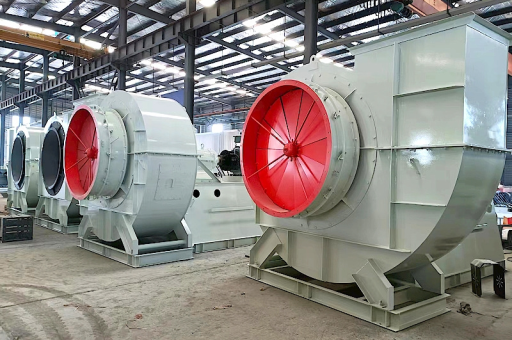
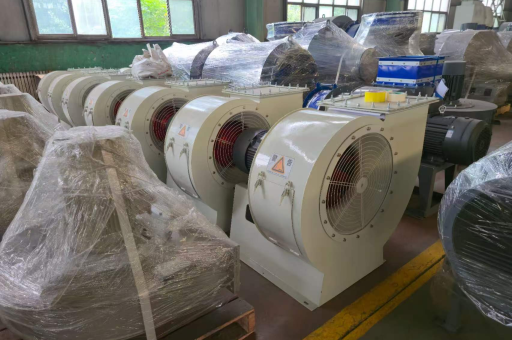
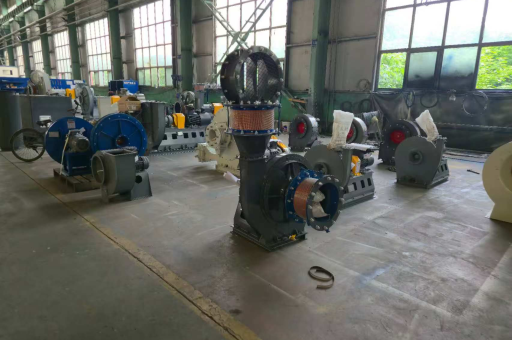
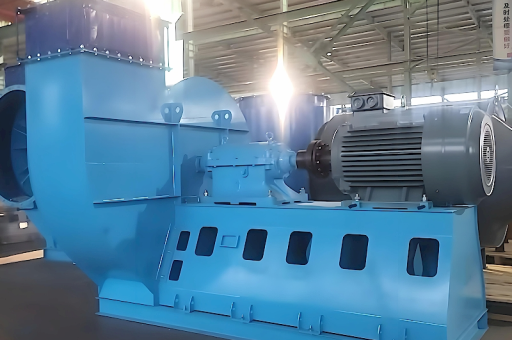
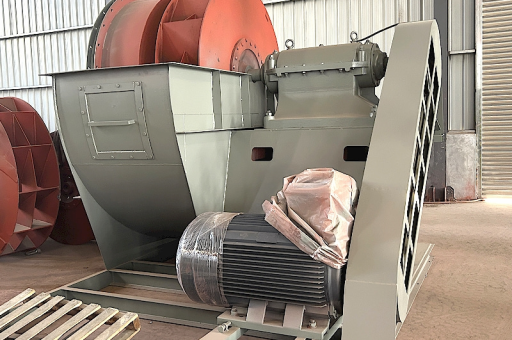
In industrial environments where airborne particulates pose health, safety, and operational risks, the 48000 m³/h Dust Collector Exhaust Fan stands as a pivotal component. This heavy-duty fan is engineered to handle an enormous air volume—48,000 cubic meters per hour—making it suitable for large-scale dust collection systems in woodworking, cement processing, mining, and metal fabrication facilities. Unlike standard ventilation fans, this unit is purpose-built to move contaminated air through filtration media without losing static pressure, ensuring that harmful dust is captured before it reaches the atmosphere or workers’ breathing zones. The fan’s capacity to sustain high airflow under load, combined with robust construction materials, defines its role as the “workhorse” of industrial exhaust. By integrating this fan, facilities can comply with stringent OSHA and EPA regulations while improving overall indoor air quality.
Core Technical Specifications and Operating Principles
A 48000 m³/h Dust Collector Exhaust Fan typically operates at a static pressure range of 1,500 to 3,000 Pa, depending on system resistance. Common specifications include:
- Airflow: 48,000 m³/h
- Motor Power: 15–30 kW
- Impeller Diameter: 800–1,200 mm
- Speed: 800–1,450 RPM
The operating principle relies on centrifugal force. Air enters the impeller axially and is expelled radially, generating high velocity and pressure. This design is preferred for dust collection because it maintains consistent performance even when the filter media becomes loaded with debris. The fan’s backward-curved blades reduce energy losses and minimize dust accumulation on the impeller. Modern units often include variable frequency drives (VFDs) for precise flow control, allowing the fan to ramp up or down based on real-time dust generation.
Question: “How does a 48000 m³/h fan maintain pressure when filters clog?” Answer: The centrifugal design provides a steep pressure curve. As resistance increases, the fan inherently adjusts its operating point along the curve, ensuring that the system does not lose suction entirely. For critical applications, a VFD adjusts motor speed to compensate for changes in filter load.
Industrial Applications and Use Cases
The 48000 m³/h Dust Collector Exhaust Fan is specified for environments where high-volume air cleansing is non-negotiable. Primary use cases include:
- Woodworking Plants: Capturing sawdust, wood chips, and fine particulates from planers, saws, and sanders.
- Cement and Mining: Handling abrasive dust from crushers, conveyors, and bagging stations.
- Metal Fabrication: Extracting welding fumes, grinding debris, and metal shavings.
- Chemical Processing: Removing fine powders and reactive dusts that require explosion-proof fan construction.
In each scenario, the fan serves as the negative pressure source that pulls contaminated air through ductwork and into a dust collector (e.g., baghouse or cartridge filter). A facility processing 50 tons of material per hour may require one or more 48,000 m³/h units to achieve acceptable air changes per hour (ACH) in the workspace.
Key Design Features for High-Volume Air Movement
Several engineering elements differentiate a 48,000 m³/h exhaust fan from lower-capacity units:
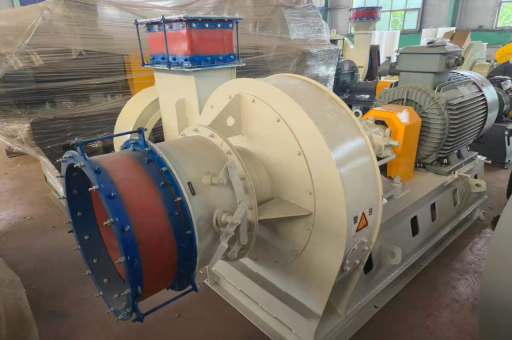
- Heavy-Duty Housing: Fabricated from carbon steel or stainless steel, often with a powder-coated finish to resist corrosion.
- Abrasion-Resistant Impeller: Constructed from hardened steel or lined with wear-resistant materials for longevity.
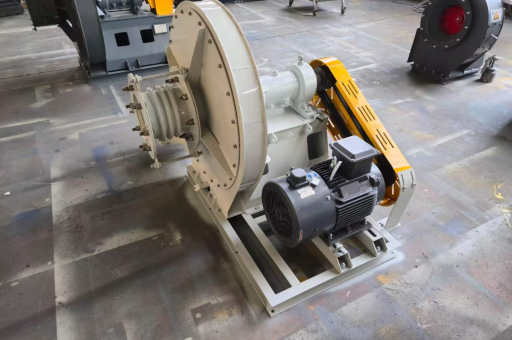
- Direct-Drive vs. Belt-Drive: Direct-drive offers lower maintenance and higher efficiency; belt-drive provides flexibility in speed adjustments.
- Spark-Resistant Construction: For combustible dust environments (e.g., wood or aluminum), aluminum or non-sparking impellers are mandatory.
- Sound Attenuation: High-volume fans generate significant noise; many models include intake silencers or acoustic enclosures to comply with workplace noise limits.
Selection Criteria: How to Choose the Right Fan for Your System
Selecting the correct 48000 m³/h Dust Collector Exhaust Fan requires evaluating the following factors:
- System Static Pressure: Calculate total pressure drop across ducts, filters, and hoods. A fan with insufficient static pressure will underperform.
- Air Density: Fans move air mass, not volume; corrections may be needed for high-temperature or high-altitude installations.
- Motor Power: Ensure the motor can handle peak loads without overheating. Oversizing by 10–15% is common practice.
- Material Compatibility: Verify that all wetted parts are compatible with the dust composition (e.g., acidic, alkaline, or hygroscopic).
- Explosion Protection: For Class II or III hazardous locations, select fans with ATEX or NFPA 70 certifications.
Question: “Can I use a smaller fan with a higher RPM to achieve 48,000 m³/h?” Answer: Not safely. Smaller fans running at excessive speeds produce higher noise, vibration, and risk of mechanical failure. A fan specifically designed for 48,000 m³/h will have the correct impeller diameter and housing geometry for stable operation.
Installation Best Practices for Maximum Efficiency
To derive full value from a 48000 m³/h Dust Collector Exhaust Fan, adhere to these guidelines:
- Foundation and Isolation: Mount the fan on a concrete pad with vibration isolators to reduce stress on ductwork.
- Duct Design: Use smooth, gradual transitions and avoid sharp bends within five duct diameters of the fan inlet and outlet.
- Electrical Wiring: Use appropriately sized cables and overload protection. Install a lockable disconnect near the fan for maintenance safety.
- Inlet and Outlet Weather Covers: If the fan is installed outdoors, inlet screens prevent debris ingress; outlet louvers prevent backdraft and weather damage.
- Commissioning Tests: After installation, measure actual airflow and static pressure against design specifications, adjusting VFD settings or belt tension as needed.
Maintenance, Troubleshooting, and Common Questions (Q&A)
Routine Maintenance Checklist:
- Inspect impeller for wear or dust buildup every 500 operating hours.
- Check belt tension and alignment (belt-drive models) monthly.
- Grease bearings per manufacturer specifications (typically every 3 months).
- Test vibration levels to detect imbalance early.
Troubleshooting Common Issues:
| Symptom | Possible Cause | Corrective Action |
|---|---|---|
| Reduced airflow | Clogged filters, duct blockage | Clean or replace filters; inspect ductwork |
| Excessive vibration | Impeller imbalance, loose mounting | Balance impeller; tighten foundation bolts |
| Overheating motor | Undersized motor, high ambient temp | Verify motor rating; improve ventilation |
Q&A Section:
Question: “How often must I replace the filters in a system with a 48,000 m³/h fan?” Answer: Filter lifespan varies from 3 to 12 months, depending on dust loading. Monitor pressure drop across the collector; when it exceeds 1.5 times the clean filter value, initiate replacement.
Question: “Does a higher CFM (m³/h) always mean better dust collection?” Answer: No. Excess airflow can increase particle re-entrainment and wear on ductwork. The fan must be matched to the collection hood velocity—typically 20–25 m/s for heavy wood dust—to ensure capture efficiency.
Question: “Can this fan be used for both exhaust and fresh air supply?” Answer: It is designed solely for exhaust. Use a separate supply fan for makeup air to avoid pressurization imbalances.
Conclusion: Why This Fan is a Critical Asset for Dust Control
The 48000 m³/h Dust Collector Exhaust Fan is more than a ventilation device; it is the backbone of a compliant, safe, and productive industrial environment. Its capacity to move massive air volumes against resistance, durability in harsh conditions, and adaptability to different dust types make it an indispensable asset. When properly selected, installed, and maintained, this fan delivers decades of reliable service. Whether upgrading an existing system or designing a new facility, partnering with a reputable manufacturer and following the guidelines in this article ensures that your dust collection infrastructure meets both operational goals and regulatory standards. In an era where air quality is paramount, investing in the right fan is an investment in worker health and business continuity.