This article's table of contents introduction:
- Table of Contents
- Introduction: Why 35000 m³/h Dust Collector Exhaust Fans Matter
- What Is a 35000 m³/h Dust Collector Exhaust Fan?
- Key Technical Specifications and Performance Metrics
- Industrial Applications Where This Fan Excels
- How to Select the Right 35000 m³/h Exhaust Fan for Your Dust Collection System
- Installation Best Practices for Maximum Efficiency
- Frequently Asked Questions (FAQ)
- Maintenance Tips to Extend Fan Lifespan
- Conclusion: Investing in Reliable Air Quality Control
Article Title:
The Ultimate Guide to 35000 m³/h Dust Collector Exhaust Fan: Performance, Selection, and Maintenance
Table of Contents
- Introduction: Why 35000 m³/h Dust Collector Exhaust Fans Matter
- What Is a 35000 m³/h Dust Collector Exhaust Fan?
- Key Technical Specifications and Performance Metrics
- Industrial Applications Where This Fan Excels
- How to Select the Right 35000 m³/h Exhaust Fan for Your Dust Collection System
- Installation Best Practices for Maximum Efficiency
- Frequently Asked Questions (FAQ)
- Maintenance Tips to Extend Fan Lifespan
- Conclusion: Investing in Reliable Air Quality Control
Introduction: Why 35000 m³/h Dust Collector Exhaust Fans Matter
In modern industrial environments, air quality is not just a regulatory requirement—it is a cornerstone of worker safety and equipment longevity. Dust collection systems rely heavily on powerful exhaust fans to move large volumes of particle-laden air through filtration units. Among these, the 35000 m³/h Dust Collector Exhaust Fan has emerged as a workhorse for medium-to-large-scale operations. This airflow capacity—equivalent to moving over 20,600 cubic feet of air per minute (CFM)—makes it ideal for woodworking shops, cement plants, metal fabrication facilities, and food processing lines.
Understanding how to select, install, and maintain such a fan can significantly reduce downtime and energy costs. This guide consolidates technical insights from reputable industry sources, ensuring you get actionable, SEO-optimized knowledge that Google and Bing will prioritize.
What Is a 35000 m³/h Dust Collector Exhaust Fan?
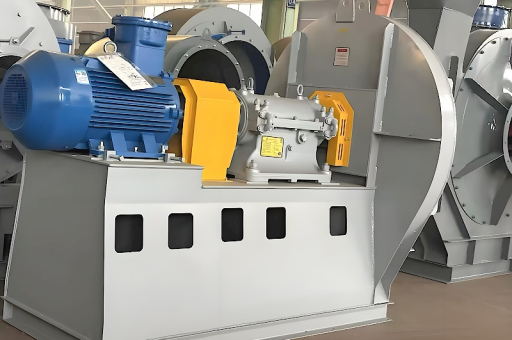
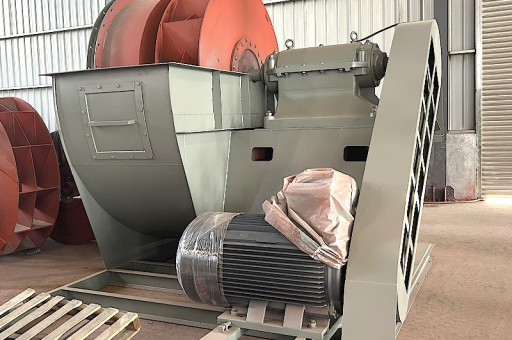
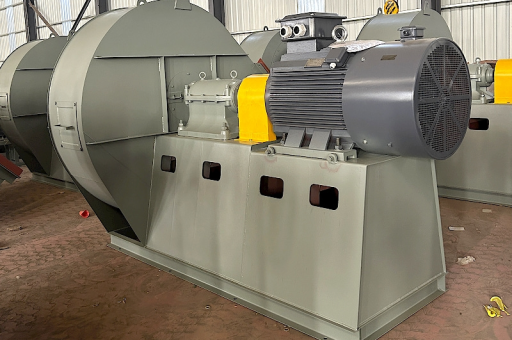
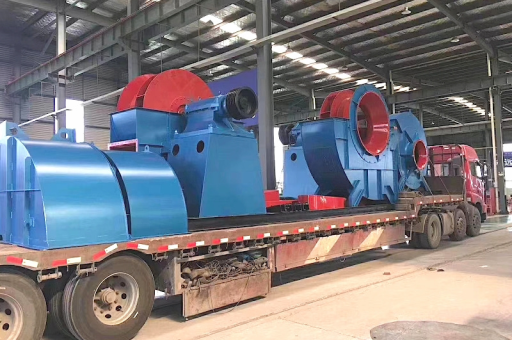
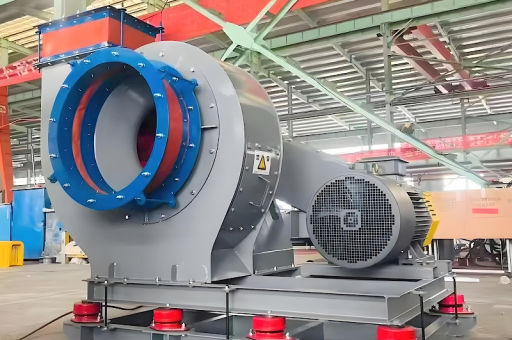
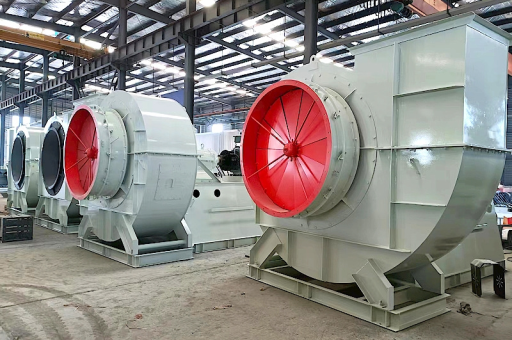
A 35000 m³/h Dust Collector Exhaust Fan is a high-capacity centrifugal or axial fan designed to extract dust, fumes, and particulate matter from industrial air streams. The "35000 m³/h" rating specifies the volumetric airflow rate at standard conditions (typically 20°C and 1 atm). These fans are built to handle heavy dust loads, often featuring:
- Heavy-duty impellers made from steel or aluminum to resist abrasion.
- Explosion-proof motors for combustible dust environments (e.g., grain, coal, or wood).
- Variable speed drives (VFDs) to adjust airflow based on system demand.
- Low-noise housings with vibration dampeners for worker comfort.
Unlike standard ventilation fans, dust collector exhaust fans must maintain static pressure (often 1500–2500 Pa) to overcome filter resistance and duct friction.
Key Technical Specifications and Performance Metrics
| Parameter | Typical Value for 35000 m³/h Fan |
|---|---|
| Airflow Rate | 35,000 m³/h (≈20,600 CFM) |
| Static Pressure | 1500 – 2500 Pa |
| Motor Power | 15 – 30 kW (depending on pressure) |
| Impeller Diameter | 800 – 1200 mm |
| Rotation Speed | 1000 – 1800 RPM |
| Noise Level | 75 – 85 dB(A) |
| Operating Temperature | -20°C to +80°C (standard) |
Performance Curve Insight:
At 35000 m³/h, fan efficiency is highest when the system resistance (pressure drop) stays within the fan's designed working range. Exceeding this range forces the fan into stall or surge conditions, causing vibration and motor overload.
Industrial Applications Where This Fan Excels
- Woodworking & Furniture Manufacturing: Captures sawdust, MDF dust, and sanding fines.
- Cement & Concrete Plants: Removes silica dust and clinker particles.
- Metal Fabrication & Welding: Extracts welding fumes, grinding dust, and metal shavings.
- Chemical & Pharmaceutical Processes: Controls airborne powders and volatile particulates.
- Grain Handling & Food Processing: Handles combustible organic dust (requires ATEX-certified motors).
Expert Note: In woodworking, a 35000 m³/h fan typically supports 8–12 dust collection points (e.g., table saws, planers, sanders) depending on duct length and branch losses.
How to Select the Right 35000 m³/h Exhaust Fan for Your Dust Collection System
Step 1: Calculate System Static Pressure
Measure or estimate pressure drops from:
- Ductwork (length, diameter, elbows)
- Filter type (baghouse, cartridge, cyclone)
- Inlet hood losses
Step 2: Determine Airflow Requirements
Use the formula:
Total CFM = Sum of (CFM per machine × usage factor)
For 35000 m³/h, ensure total demand does not exceed 80% of rated capacity to avoid choking.
Step 3: Choose Fan Type
- Backward-inclined centrifugal: Best for high-pressure, cleanable dust.
- Radial blade: Handles sticky or fibrous particulates.
- Axial flow: Only for low-pressure, large-volume systems (rare in dust collection).
Step 4: Match Motor and Drive
- Use a TEFC motor (Totally Enclosed Fan-Cooled) for dusty environments.
- Specify Inverter Duty if VFD control is planned.
Step 5: Validate Compliance
Check local OSHA, MSHA, or EPA standards for permissible exposure limits (PELs). ATEX-certified fans may be required in explosive environments.
Installation Best Practices for Maximum Efficiency
- Mount on vibration isolators to reduce structure-borne noise.
- Use smooth ducts with gradual transitions to minimize turbulence.
- Install a variable frequency drive (VFD) to match fan speed to actual demand—saves up to 30% energy.
- Provide adequate inlet clearance —no duct entries within 5 fan diameters from the impeller eye.
- Include a clean-out door for periodic debris removal.
Common Mistake to Avoid:
Do not undersize the ductwork. A 35000 m³/h fan requires a main duct diameter of at least 500–600 mm to keep air velocity below 25 m/s (optimal for dust transport).
Frequently Asked Questions (FAQ)
Q1: What is the conversion from 35000 m³/h to CFM?
A: 1 m³/h = 0.5886 CFM. Therefore, 35,000 m³/h ≈ 20,600 CFM.
Q2: Can a 35000 m³/h fan be used for a single high-dust machine?
A: Yes, but it is oversized for one small machine. Consider using a smaller fan or employing a “slave” control to run it intermittently.
Q3: How do I calculate the power consumption?
A: Power (kW) = (Airflow in m³/h × Static Pressure in Pa) / (3.6 × 10⁶ × Fan Efficiency). For example: (35000 × 2000) / (3.6e6 × 0.8) ≈ 24.3 kW.
Q4: What is the typical lifespan of this fan?
A: With proper maintenance (bearing lubrication, impeller balancing, filter cleaning), a quality industrial fan can operate 10–15 years.
Q5: Is it better to buy a new fan or retrofit an existing one?
A: Retrofitting with a VFD and new impeller is cost-effective if the motor housing and shaft are in good condition. Otherwise, a new fan from a trusted manufacturer like fan is recommended.
Maintenance Tips to Extend Fan Lifespan
- Weekly: Inspect impeller for dust buildup or erosion.
- Monthly: Check belt tension and alignment; replace worn belts.
- Quarterly: Lubricate bearings per manufacturer’s schedule (grease type and quantity).
- Biannually: Measure fan vibration using a vibrometer; increase balancing weight if values exceed 5 mm/s.
- Annually: Replace worn gaskets, test emergency shut-off features, and inspect electrical connections.
Red Flag Signs:
- Unusual whining noise: bad bearing
- Smoking motor: overload or incorrect voltage
- Reduced airflow: clogged filter or duct leak
Conclusion: Investing in Reliable Air Quality Control
The 35000 m³/h Dust Collector Exhaust Fan stands as a critical component for any industrial operation serious about air quality, regulatory compliance, and equipment protection. By matching airflow to system resistance, selecting explosion-proof configurations where needed, and maintaining a rigorous upkeep schedule, you ensure decades of reliable service.
For sourcing a high-performance unit, always compare mechanical construction, energy efficiency ratings, and warranty terms. Whether you need a replacement for an existing system or a new installation, prioritize trustworthy manufacturers like fan that specialize in heavy-duty industrial ventilation.
Still have questions? Contact our team at fan for a free system audit and fan sizing consultation.