This article's table of contents introduction:
- What is a Deodorizing Centrifugal Fan?
- How Does it Work?
- Key Advantages for Odor Control
- Common Applications
- Choosing the Right Deodorizing Centrifugal Fan
- Installation & Maintenance Tips
- Top Brands & Examples
Here is a comprehensive guide on Deodorizing Centrifugal Fans, covering what they are, how they work, their key applications, and how to choose the right one.
What is a Deodorizing Centrifugal Fan?
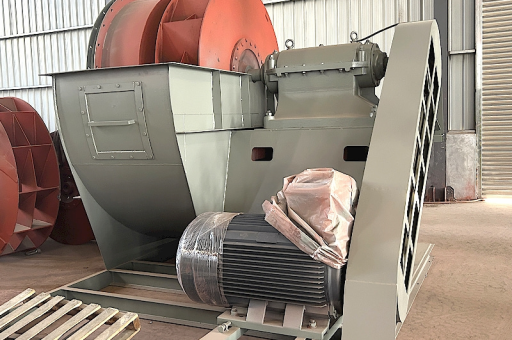
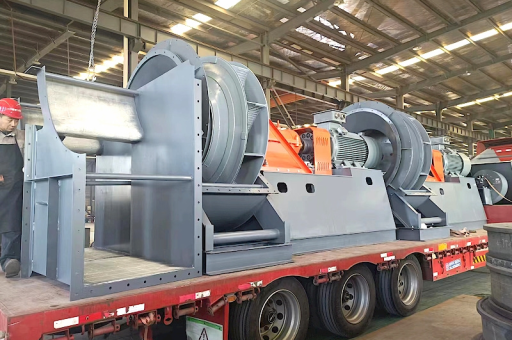
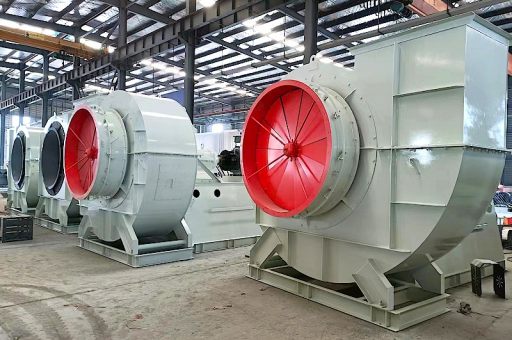
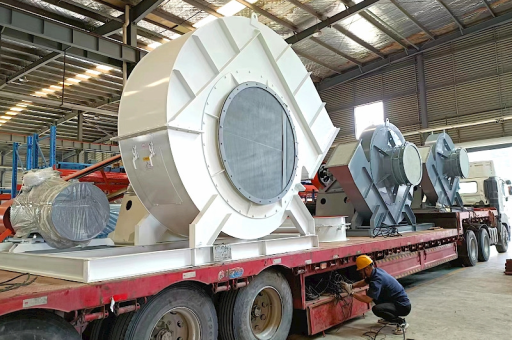
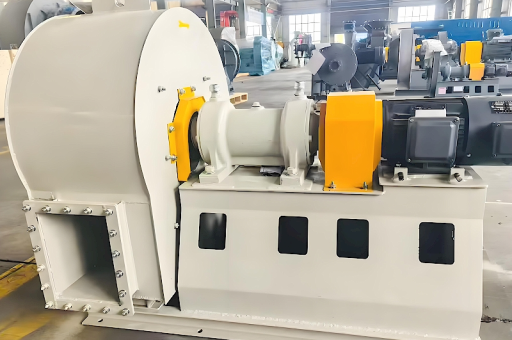
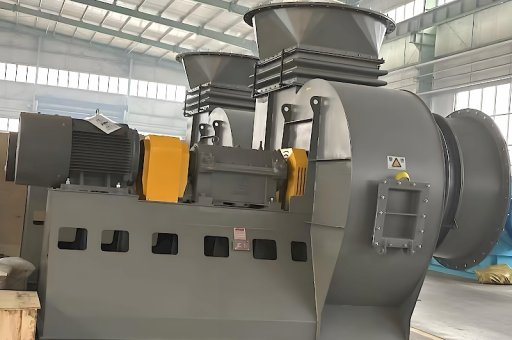
A Deodorizing Centrifugal Fan is not a standard fan with a built-in air freshener. Instead, it is a high-performance industrial or commercial exhaust system designed to capture, contain, and expel odorous air from a source before it can spread into the surrounding environment.
The "deodorizing" effect comes from the system's design:
- High Static Pressure: The centrifugal fan creates strong negative pressure to suck air from a specific source (e.g., a toilet, kitchen hood, or chemical tank).
- Direct Exhaust: It propels the odorous air through ductwork directly to the outside atmosphere, preventing recirculation.
- Integration with Treatment: Often, these fans are paired with carbon filters or other air scrubbers that actively remove odors from the airstream before it is exhausted.
How Does it Work?
Unlike an axial fan (like a desk fan), a centrifugal fan uses a rotating impeller to increase air pressure and velocity.
- Air Intake: Odorous air is drawn into the center of the fan's impeller from a connected duct or grille.
- Centrifugal Force: The spinning impeller flings the air outwards at a 90-degree angle. This action generates high pressure.
- High-Pressure Discharge: The air exits the fan housing into an outlet duct.
- Odor Control (The "Deodorizing" Part):
- Simple Model: The fan simply pushes the odors outside and away from people.
- Advanced Model: The fan pulls air through an activated carbon filter (often located before or after the fan). The carbon traps odor-causing molecules (VOCs, smoke, food smells, sewer gas). Some industrial models use UV-C light to break down odor molecules or ozone generators (used with caution).
Key Advantages for Odor Control
- High Static Pressure: Can overcome the resistance of long duct runs, multiple bends, and thick carbon filters. Axial fans are poor at this.
- Powerful Suction: Creates a strong negative pressure zone, preventing odors from leaking out of the source (e.g., a toilet or a kitchen vent).
- Durability: Designed to handle grease, moisture, and corrosive gases that would ruin a standard fan.
- Versatility: Can be installed inline (in the duct), in a wall, or on a roof.
Common Applications
-
Residential:
- Bathroom Exhaust: Powerful and quiet deodorizing for master bathrooms or powder rooms, especially those without windows.
- Kitchen Exhaust: Ducted range hoods that effectively remove cooking smells, grease, and smoke.
- Basement Utility Rooms: Removing odors from sump pumps, chemical storage, or laundry.
- Indoor Grown Rooms: Containing and exhausting the strong "plant" odor.
-
Commercial & Industrial:
- Restaurants & Commercial Kitchens: Heavy-duty exhaust for fryers, grills, and ovens.
- Wastewater Treatment Plants: Removing hydrogen sulfide (rotten egg smell) and other noxious gases.
- Chemical & Pharmaceutical Plants: Exhausting volatile organic compounds (VOCs) and chemical fumes.
- Animal Housing & Farms: Ventilation and odor control for livestock or pet boarding facilities.
- Smoking Lounges & Casinos: Removing tobacco smoke and its lingering smell.
Choosing the Right Deodorizing Centrifugal Fan
Don't just buy the cheapest fan. Consider these critical factors:
- Airflow (CFM - Cubic Feet per Minute): How much air it moves. For a bathroom, you want at least 1 CFM per square foot of floor area. For a kitchen, much higher.
- Static Pressure (in. w.g. - Inches Water Gauge): This is the most important number for odor control. You need a fan with enough pressure to push air through long ducts, elbows, and (most importantly) an activated carbon filter. A high-CFM, low-static fan will fail.
- Noise Level (Sones): For residential use, look for 1.5 sones or less. Commercial fans can be much louder.
- Housing Material: Plastic (inexpensive, quiet but less durable), galvanized steel (good for general use), or stainless steel (essential for corrosive/kitchen environments).
- Type of Impeller:
- Forward-Curved: High airflow, moderate static pressure, good for residential HVAC.
- Backward-Curved: Lower airflow but very high static pressure, ideal for filters and long ducts.
- Backward-Inclined: High efficiency for industrial use.
- Mounting Location: Wall-mounted, ceiling-mounted, or inline (mounted inside the duct).
- Filter Compatibility: Does the fan have a built-in filter housing? If not, you'll need a separate filter box. Use activated carbon filters for odor removal (washable grease filters are for grease, not odors).
Installation & Maintenance Tips
- Ducting is Critical: Use smooth-wall rigid metal ducting (not flexible foil duct). Flexible duct creates massive air resistance.
- Seal All Joints: Use foil tape or mastic sealant on all duct connections to prevent leaks.
- Negative Pressure: Ensure the fan exhausts completely outside, not into an attic or crawlspace.
- Filter Replacement: Carbon filters are only effective for about 3-6 months of regular use. They must be replaced regularly. The fan will work without them, but it won't deodorize.
- Clean the Fan: In kitchen or greasy environments, clean the impeller and housing annually to prevent grease buildup (a fire hazard).
Top Brands & Examples
- Residential: Panasonic (WhisperCeiling, WhisperWarmth), Broan-NuTone (QT series), Fantech (inline models).
- Commercial/Restaurant: Greenheck, Soler & Palau (S&P), TPI Corporation, Canarm.
- Industrial: Cincinnati Fan, New York Blower, Twin City Fan.
In summary: A Deodorizing Centrifugal Fan is a powerful tool for odor removal because it can overcome the resistance of filters and ductwork. For true deodorizing, it must be connected to a proper exhaust path (outside) and often combined with an activated carbon filter. For residential or light commercial use, look for low-sone, high-static pressure models from brands like Panasonic or Fantech.