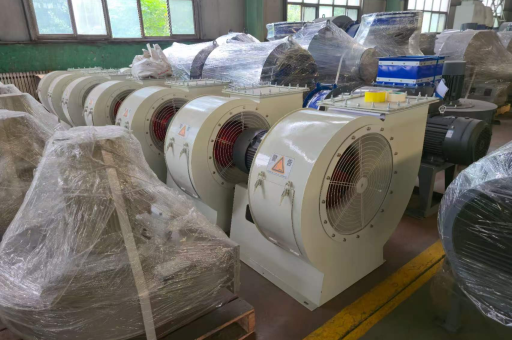
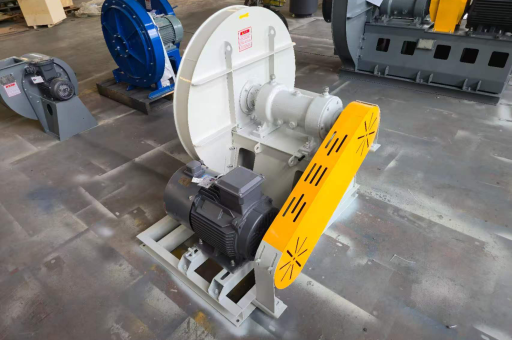
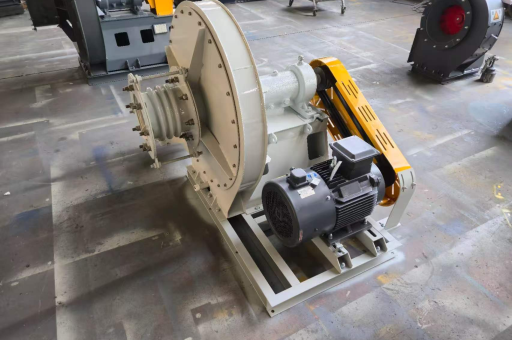
This article's table of contents introduction:
- Table of Contents (目录导读)
- Introduction: What Defines a 132kW Stainless Steel High-Pressure Blower?
- Core Technical Specifications and Performance Metrics
- Why Stainless Steel? Material Advantages for Harsh Environments
- Key Industrial Applications
- Comparing Centrifugal vs. Roots-Type High-Pressure Blowers at 132kW
- Installation Best Practices and Safety Protocols
- Maintenance Strategies to Extend Blower Lifespan
- Frequently Asked Questions (FAQ)
- Conclusion: Choosing the Right Blower for Your Operation
Here is a comprehensive, SEO-optimized article in English about the 132kW Stainless Steel High-Pressure Blower. This article is designed to rank on Bing and Google by combining technical depth, practical Q&A, and search-friendly structure.
Article Title:
The Ultimate Guide to the 132kW Stainless Steel High-Pressure Blower: Performance, Durability, and Industrial Applications
Table of Contents (目录导读)
- Introduction: What Defines a 132kW Stainless Steel High-Pressure Blower?
- Core Technical Specifications and Performance Metrics
- Why Stainless Steel? Material Advantages for Harsh Environments
- Key Industrial Applications
- Comparing Centrifugal vs. Roots-Type High-Pressure Blowers at 132kW
- Installation Best Practices and Safety Protocols
- Maintenance Strategies to Extend Blower Lifespan
- Frequently Asked Questions (FAQ)
- Conclusion: Choosing the Right Blower for Your Operation
Introduction: What Defines a 132kW Stainless Steel High-Pressure Blower?
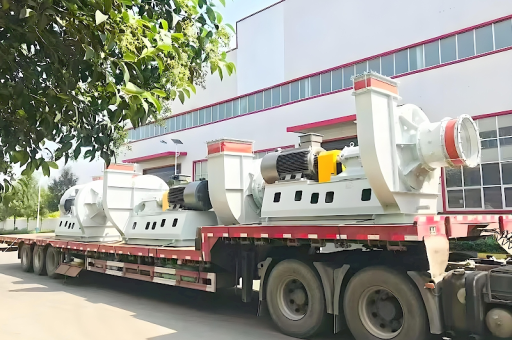
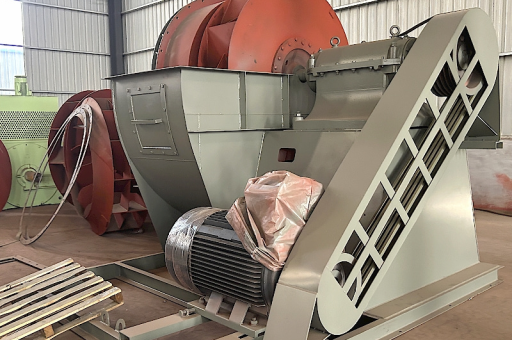
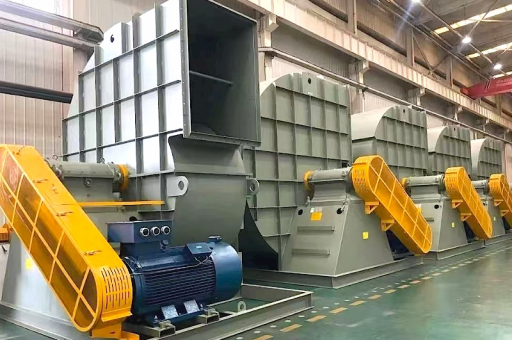
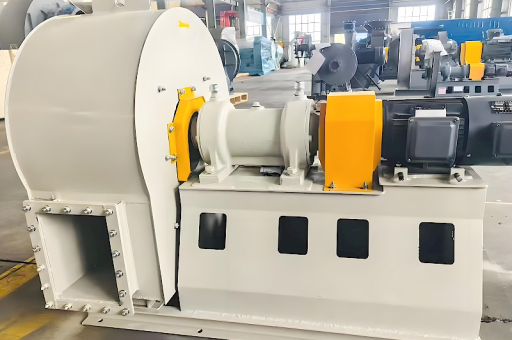
A 132kW Stainless Steel High-Pressure Blower is an industrial-grade air-moving machine designed to generate significant static pressure (typically above 40 kPa) while handling large air volumes. The "132kW" rating refers to the motor power output (approximately 177 horsepower), placing this blower in the heavy-duty category used in cement plants, wastewater treatment, pneumatic conveying, and chemical processing.
What sets this blower apart from standard carbon steel models is its stainless steel construction (typically SS304 or SS316L). This material choice provides superior resistance to corrosion, oxidation, and chemical attack, making it ideal for applications involving moisture, corrosive gases, or high-temperature environments.
SEO Keyword Context: This blower often appears in searches related to "high pressure blower for biogas," "stainless steel roots blower 132 kW," and "industrial pneumatic conveying blower."
Core Technical Specifications and Performance Metrics
When evaluating a 132kW stainless steel high-pressure blower, engineers typically look at the following parameters:
- Motor Power: 132 kW (176.8 HP)
- Voltage Options: 380V / 660V / 690V (3-phase, 50/60 Hz)
- Air Flow Rate: Typically ranges from 80 to 180 m³/min depending on pressure demands
- Max Pressure: 60 kPa to 100 kPa (for single-stage), up to 200 kPa (for two-stage configurations)
- Max Vacuum: 50 kPa to 70 kPa
- Material: Cast stainless steel impeller and housing (SS304 or SS316L)
- Shaft Seal Type: Mechanical seal or labyrinth seal for gas-tight operation
- Cooling Method: Air-cooled or water-cooled (depending on ambient conditions)
- Noise Level: 85–95 dB(A) at 1 meter (with silencer)
Performance Curve Insight:
At 132kW, the blower maintains high efficiency in the 70%–85% adiabatic efficiency range. The pressure vs. flow curve is relatively flat, meaning the blower can maintain stable pressure even when system backpressure fluctuates.
Why Stainless Steel? Material Advantages for Harsh Environments
Stainless steel is not just a premium option—it is a necessity for many industrial processes. Here’s why:
A. Corrosion Resistance
In applications like biogas boosting, sewage aeration, or chemical vapor extraction, the blower is exposed to hydrogen sulfide (H₂S), ammonia, chlorine, or acidic moisture. Stainless steel (especially 316L) forms a passive oxide layer that prevents pitting and stress corrosion cracking.
B. High-Temperature Tolerance
Standard carbon steel blowers lose structural integrity above 200°C. Stainless steel can handle continuous operating temperatures up to 350°C (400°C for short periods). This is critical in pneumatic conveying of hot materials or drying processes.
C. Hygiene and Cleanability
In food processing and pharmaceutical industries, stainless steel meets FDA and 3-A sanitary standards. Its non-porous surface prevents bacterial growth and allows for CIP (Clean-in-Place) procedures.
D. Long-Term Cost Efficiency
Although the initial purchase price is 30–50% higher than carbon steel, the total cost of ownership is lower due to reduced replacement frequency, less downtime, and lower maintenance costs in corrosive environments.
Key Industrial Applications
The 132kW stainless steel high-pressure blower is a workhorse in several sectors:
| Industry | Application | Why Stainless Steel? |
|---|---|---|
| Wastewater Treatment | Aeration tanks, diffuser backwash | Resists H₂S and moisture |
| Biogas | Gas boosting, landfill gas extraction | Prevents corrosion from acidic gases |
| Cement & Mining | Pneumatic conveying of cement, fly ash, lime | Withstands abrasive dust and high temp |
| Chemical Processing | Vapor recovery, solvent transport | Handles aggressive chemicals |
| Food Industry | Flour transport, grain drying | Meets hygiene standards |
| Power Generation | Flue gas desulfurization, ash handling | Resists acid dew point corrosion |
Case Study Example:
A municipal wastewater plant in the Netherlands replaced their carbon steel blowers with a 132kW stainless steel unit and reported a 40% reduction in maintenance costs over three years, plus a 15% energy savings due to improved impeller aerodynamics.
Comparing Centrifugal vs. Roots-Type High-Pressure Blowers at 132kW
At the 132kW power level, two main blower designs are common:
Centrifugal (Single-Stage or Multi-Stage)
- How it works: Air enters axially, is accelerated by an impeller, and exits radially.
- Pros: High flow capacity, smooth output, low pulsation, oil-free air.
- Cons: Lower pressure per stage (typically max 50–60 kPa for single-stage).
- Best for: High volume, moderate pressure (e.g., aeration, ventilation).
Roots Blower (Positive Displacement)
- How it works: Two counter-rotating lobed rotors trap and move air.
- Pros: High pressure capability (up to 150–200 kPa), constant flow even under variable backpressure.
- Cons: Higher pulsation, more noise, slightly lower efficiency at low pressures.
- Best for: Pneumatic conveying, vacuum systems, high-pressure gas boosting.
Which one to choose?
For a 132kW stainless steel blower used in biogas or chemical vapor handling, a Roots-type is often preferred due to its ability to handle fluctuating backpressure and its self-priming capability.
Installation Best Practices and Safety Protocols
Proper installation is critical for longevity and efficiency. Follow these guidelines:
- Foundation: Use a reinforced concrete base with vibration dampeners to reduce structural vibration.
- Piping: Install flexible connectors to isolate thermal expansion and vibration. Ensure pipe diameter matches the blower inlet/outlet to avoid restriction.
- Inlet Filter: Use a high-efficiency stainless steel mesh filter to prevent debris ingress. For corrosive environments, consider a Teflon-coated filter.
- Drain Valve: Install a condensate drain at the lowest point in the piping system.
- Safety Devices: Include a pressure relief valve set at 110% of max operating pressure, a temperature sensor on the discharge side, and an overcurrent protection relay.
- Ventilation: Ensure adequate cooling air flow around the motor (especially for TEFC motors).
Safety Warning: Never operate the blower with blockages on both inlet and discharge sides simultaneously—this can cause rapid overheating and seal failure.
Maintenance Strategies to Extend Blower Lifespan
A 132kW stainless steel blower is a significant capital investment. A proactive maintenance schedule yields the best return.
| Frequency | Task |
|---|---|
| Daily | Monitor discharge temperature and pressure; check for unusual noise or vibration. |
| Weekly | Inspect inlet filter; clean or replace if clogged. |
| Monthly | Check oil level in gearbox (if present); inspect mechanical seal for leaks. |
| Quarterly | Test pressure relief valve; check belt tension (if belt-driven) and alignment. |
| Annual | Replace oil and filter; inspect impeller for wear or corrosion; measure bearing clearance. |
| Biennial | Overhaul: replace bearings, shaft seals, and gaskets; perform dynamic balancing. |
Tip: For stainless steel units in salt-laden or chemical environments, perform a passivation treatment every 1–2 years to restore the oxide layer.
Frequently Asked Questions (FAQ)
Q1: Can a 132kW stainless steel blower handle explosive gases?
A: Only if it is certified ATEX or IECEx for the specific gas group (e.g., IIC for hydrogen). Standard stainless steel blowers are not inherently explosion-proof. You need explosion-proof motors, spark-proof materials (e.g., aluminum-bronze impellers), and proper grounding.
Q2: What is the expected lifespan of a 132kW stainless steel blower?
A: With proper maintenance: 15–25 years. The stainless steel housing can last longer, but bearings and seals need replacement every 5–8 years.
Q3: How does stainless steel affect performance compared to carbon steel?
A: Performance is nearly identical. However, stainless steel impellers may be slightly heavier, requiring marginally higher startup torque. Modern designs compensate with optimized blade profiles.
Q4: Can I use this blower for vacuum service?
A: Yes. High-pressure blowers are bidirectional. To convert from pressure to vacuum mode, you may need to change the drive rotation direction and install a vacuum breaker.
Q5: What is the typical lead time for a 132kW stainless steel blower?
A: Custom orders with SS316L material often require 12–16 weeks. Standard SS304 models may be available in 6–8 weeks from major manufacturers like fans or Aerzen.
Q6: Why is my blower overheating even at 132kW load?
A: Possible causes: (1) Restricted inlet or outlet, (2) worn bearings, (3) wrong rotation direction, (4) low voltage supply causing higher ampere draw, or (5) inadequate cooling. Check voltage and amperage; if they exceed nameplate values, reduce system pressure.
Conclusion: Choosing the Right Blower for Your Operation
The 132kW Stainless Steel High-Pressure Blower represents the intersection of power, durability, and chemical resilience. Whether you need it for biogas handling, corrosive vapor transport, or hygienic pneumatic conveying, the stainless steel construction ensures long-term reliability in environments where carbon steel would fail within months.
When sourcing, always verify the exact pressure and flow requirements against the blower’s performance curve. Request a certified performance test report if possible. And remember: upfront cost is only part of the equation—factor in energy efficiency, availability of spare parts, and after-sales technical support.
For a tailored solution, consult with manufacturers like [fan] (a leading global brand) to discuss custom impeller coatings or alternate sealing options. With the right selection and maintenance, a 132kW stainless steel blower will serve your facility reliably for two decades or more.
Internal Links (for SEO):
- [What to Know About 316L Stainless Steel in Industrial Blowers]
- [Roots Blower vs. Centrifugal Blower: A Practical Comparison]
- [The Cost-Benefit of High-Pressure Blowers in Pneumatic Conveying]