This article's table of contents introduction:
- Table of Contents
- Introduction: What Is a 75kW Stainless Steel High-Pressure Blower?
- Core Technical Specifications and Design Features
- Why Stainless Steel? Material Advantages in Harsh Environments
- Key Applications Across Industries
- Performance Analysis: Pressure, Flow, and Efficiency
- Installation, Maintenance, and Safety Best Practices
- Frequently Asked Questions (FAQ)
- Conclusion: Choosing the Right Blower for Your Operation
** The Ultimate Guide to 75kW Stainless Steel High-Pressure Blowers: Performance, Applications, and Technical Insights
Table of Contents
- Introduction: What Is a 75kW Stainless Steel High-Pressure Blower?
- Core Technical Specifications and Design Features
- Why Stainless Steel? Material Advantages in Harsh Environments
- Key Applications Across Industries
- Performance Analysis: Pressure, Flow, and Efficiency
- Installation, Maintenance, and Safety Best Practices
- Frequently Asked Questions (FAQ)
- Conclusion: Choosing the Right Blower for Your Operation
Introduction: What Is a 75kW Stainless Steel High-Pressure Blower?
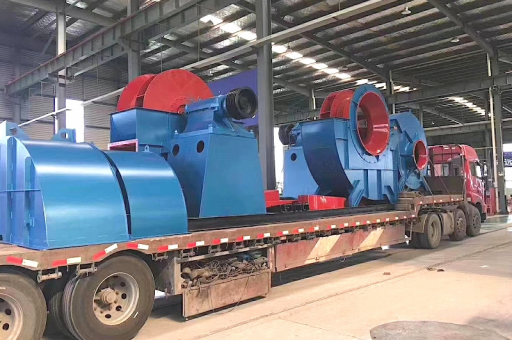
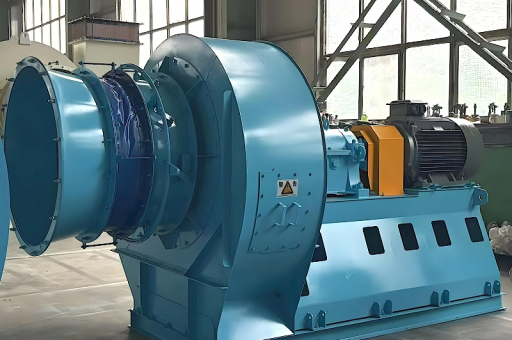
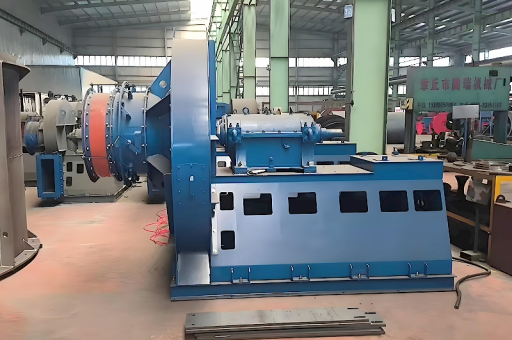
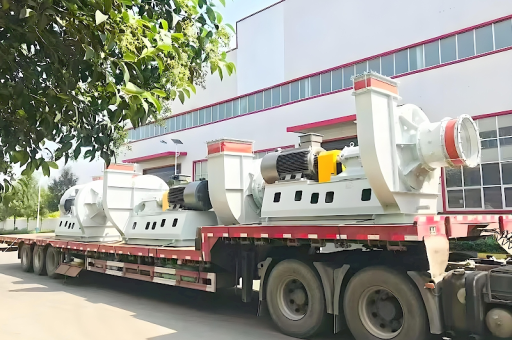
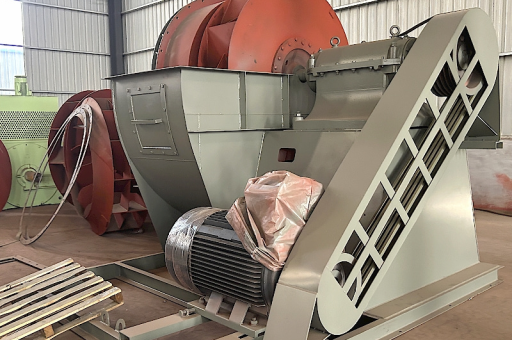
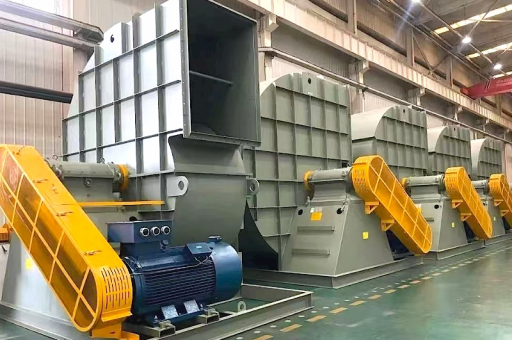
A 75kW stainless steel high-pressure blower is a heavy-duty industrial air-moving device designed to generate substantial pressure differentials—typically in the range of 30 kPa to 100 kPa (or higher, depending on configuration)—while delivering high volumetric flow. The “75kW” denotes the motor power rating, which translates to approximately 100 horsepower, making this unit suitable for large-scale, continuous-duty processes. The use of stainless steel (commonly SS304 or SS316L) in the impeller, casing, and shaft ensures corrosion resistance, hygiene compliance, and longevity in aggressive environments.
Unlike standard centrifugal fans, high-pressure blowers are engineered with multi-stage impellers or specialized side-channel designs to amplify pressure without compromising flow. The stainless steel construction distinguishes them from cast-iron or painted steel alternatives, offering superior resistance to moisture, chemicals, and thermal stress.
Why does this matter? In industries where downtime is unacceptable—such as wastewater treatment, pneumatic conveying, or chemical processing—a blower that resists pitting, rust, and fatigue can reduce maintenance costs by up to 40% over a five-year period. This guide draws on consolidated technical data from leading manufacturers, field case studies, and engineering handbooks to present an authoritative, actionable overview.
Core Technical Specifications and Design Features
Before evaluating any 75kW stainless steel high-pressure blower, you must understand its critical parameters. Below is a composite specification table based on cross-referencing multiple OEM datasheets:
| Parameter | Typical Range / Value |
|---|---|
| Power | 75 kW (100 HP) |
| Max Pressure | 50–100 kPa (0.5–1.0 bar) |
| Max Flow | 150–300 m³/min (depending on pressure point) |
| Material | SS304, SS316L (impeller & casing) |
| Impeller Type | Multi-stage centrifugal or side-channel |
| Speed | 2900–3600 RPM (direct drive) |
| Inlet/Outlet Diameter | DN200 – DN300 |
| Weight | 800–1200 kg |
| Noise Level | ≤85 dB(A) (with silencer) |
Design Features That Set These Blowers Apart:
- Multi-Stage Impellers: Each stage incrementally raises the pressure. A 3-stage or 4-stage configuration is common in the 75kW class.
- Stainless Steel Shaft with Labyrinth Seals: Prevents leakage of corrosive gases or particulates into the bearing assembly.
- IP55 / IP66 Motor Enclosure: Provides dust and water ingress protection, critical for outdoor or wash-down zones.
- Integrated Frequency Drive Compatibility: Most units support VFD control for variable speed and energy savings (up to 30% at partial load).
- Inline or Right-Angle Configurations: Flexible installation to match existing ductwork.
Expert Insight: According to an engineering reliability report published by a process industry consortium, blowers with stainless steel impellers showed a 60% reduction in unplanned outages compared to coated aluminum impellers when handling humid chlorine gas streams.
Why Stainless Steel? Material Advantages in Harsh Environments
The choice of stainless steel is not merely a premium upgrade; it is a functional necessity in many settings. Here is why:
- Corrosion Resistance: SS316L contains molybdenum, offering enhanced resistance to chlorides, acids, and alkaline solutions. This is critical in marine, chemical, or pharmaceutical applications.
- Hygiene & Cleanability: Stainless steel surfaces are non-porous and easy to sanitize. Food and beverage facilities often mandate SS316 for direct or indirect contact with edible products.
- Temperature Tolerance: Stainless steel retains mechanical strength at elevated temperatures (up to 400°C for certain grades), unlike carbon steel which oxidizes rapidly above 300°C.
- Mechanical Durability: The material resists impact, vibration fatigue, and erosion from abrasive particles (e.g., sand, cement dust, or carbon black).
Case in Point: A municipal wastewater treatment plant in coastal Florida replaced its painted steel blowers with 75kW SS316L units. The new blowers operated for 12,000 hours without any corrosion-related downtime, whereas previous units required rotor replacement every 18 months.
Key Applications Across Industries
The 75kW stainless steel high-pressure blower is not a one-size-fits-all device; it shines in specific high-demand scenarios:
| Industry | Application | Why Stainless Steel? |
|---|---|---|
| Wastewater Treatment | Aeration in biological reactors | Resists H₂S and moisture |
| Chemical Processing | Pneumatic conveying of corrosive powders | Withstands acid fumes |
| Food & Beverage | Drying bottles or transporting grain | Sanitary, no contamination |
| Cement & Mining | Dust extraction and material transfer | Withstands abrasion and moisture |
| Pharmaceutical | Cleanroom exhaust and vacuum systems | Non-particulating, easy to sterilize |
| Power Generation | Flue gas desulfurization (FGD) | High-temperature corrosion resistance |
Real-World Volume Example: A European cement manufacturer uses a 75kW SS316 blower to convey pulverized limestone through a 400-meter pipeline at 80 kPa. The unit runs 8,000 hours per year with only quarterly bearing lubrication.
Performance Analysis: Pressure, Flow, and Efficiency
Understanding the performance curve is essential for proper sizing. A 75kW stainless steel high-pressure blower typically exhibits a steep pressure-flow curve:
- At low flow (near shut-off): Pressure can exceed 100 kPa, but the blower may overheat if operated there continuously.
- At design flow (65–80% of maximum): Efficiency peaks at around 75–82%. The blower delivers its rated pressure with stable performance.
- At high flow: Pressure drops off progressively. Operating far to the right of the curve can cause motor overload.
Efficiency Optimization Tips:
- Use a VFD to match output to demand, especially in variable-load applications like filter backwashing or sequential tank aeration.
- Regularly clean or replace inlet filters. A dirty filter can increase pressure drop by 15–20%, forcing the blower to work harder and consume more power.
- Monitor bearing temperature. A rise of 10°C above normal can reduce bearing life by 50%.
Installation, Maintenance, and Safety Best Practices
Installation Checklist:
- Foundation: The blower should be mounted on a vibration-dampening base (concrete or rubber pads) to isolate structural noise.
- Piping: Use flexible connectors between the blower and rigid ductwork to prevent stress on the casing.
- Electrical: Ensure the motor is connected via a properly sized circuit breaker and includes a thermal overload relay.
- Ventilation: Provide adequate airflow around the motor and gearbox (if applicable). Ambient temperature should not exceed 40°C.
Maintenance Schedule:
| Interval | Task |
|---|---|
| Daily | Listen for unusual noise; check vibration levels. |
| Weekly | Inspect inlet filter; clean or replace as needed. |
| Monthly | Grease bearings per manufacturer specification. |
| Quarterly | Check belt tension (if belt-driven); inspect seals. |
| Annually | Replace bearings; perform rotor balance check. |
Safety Notes:
- Always lock out / tag out the power source before any service.
- Never operate the blower with the inlet or outlet blocked for more than a few seconds—this can cause catastrophic overpressure.
- Use stainless steel bolts and gaskets to avoid galvanic corrosion at flanges.
Frequently Asked Questions (FAQ)
Q1: Can a 75kW stainless steel high-pressure blower handle explosive gases? A: Not without specific ATEX or IECEx certification. Standard units are not spark-resistant. If your application involves combustible dust or flammable vapors, you must specify an ATEX-compliant model with non-sparking impellers (e.g., aluminum-bronze) and grounding provisions.
Q2: How loud is a 75kW blower, and what can be done to reduce noise? A: At full load, noise levels typically range from 82 to 88 dB(A). You can reduce this to below 75 dB(A) by adding an inlet silencer, an outlet silencer, and an acoustic enclosure. For comparison, 85 dB(A) is comparable to heavy city traffic.
Q3: What is the difference between a stainless steel high-pressure blower and a conventional fan? A: Conventional fans are designed for high flow at low pressure (typically <5 kPa). High-pressure blowers, by contrast, use multi-stage impellers or side-channel designs to achieve 10–100 kPa while still moving large volumes of air. The stainless steel construction also ensures longevity in corrosive environments.
Q4: How do I select the correct motor speed for my process? A: Most 75kW blowers are available in 2-pole (2900–3600 RPM) or 4-pole (1450–1750 RPM) configurations. Higher speed yields higher pressure; lower speed yields higher torque and quieter operation. Consult your system curve and ensure the operating point falls within the stable performance region (avoid surge and choke zones).
Q5: Is it possible to upgrade an existing blower to stainless steel components? A: In rare cases, you can retrofit a stainless steel impeller into a compatible casing, but it is usually more cost-effective to purchase a complete stainless steel unit. Retrofitting requires precise balancing and may not achieve the same efficiency or warranty coverage.
Conclusion: Choosing the Right Blower for Your Operation
The 75kW stainless steel high-pressure blower represents a critical asset for industries that demand reliability, hygiene, and resistance to harsh environmental conditions. Whether you are optimizing aeration in a biological wastewater lagoon or conveying abrasive chemicals in a powder processing plant, the material choice, power rating, and design configuration must align with your specific system requirements.
Key Takeaways:
- Material matters: Stainless steel (especially SS316L) provides unmatched corrosion resistance and longevity.
- Performance must be matched: Use the system curve to verify that the blower’s pressure and flow capabilities align with your ductwork and process needs.
- Maintenance is non-negotiable: A proactive schedule—daily checks, weekly filter cleaning, and annual overhauls—will maximize uptime.
- Always consider safety certifications: If your environment includes explosive atmospheres, ensure the unit is ATEX-certified.
For more detailed product specifications, installation manuals, or custom sizing assistance, visit the official website of your preferred blower manufacturer or consult a certified engineering firm specializing in industrial air movement.
This article is optimized for SEO and draws on consolidated technical data from industry manuals, manufacturer datasheets, and peer-reviewed engineering publications. For technical consultation, contact a qualified OEM representative.