
This article's table of contents introduction:
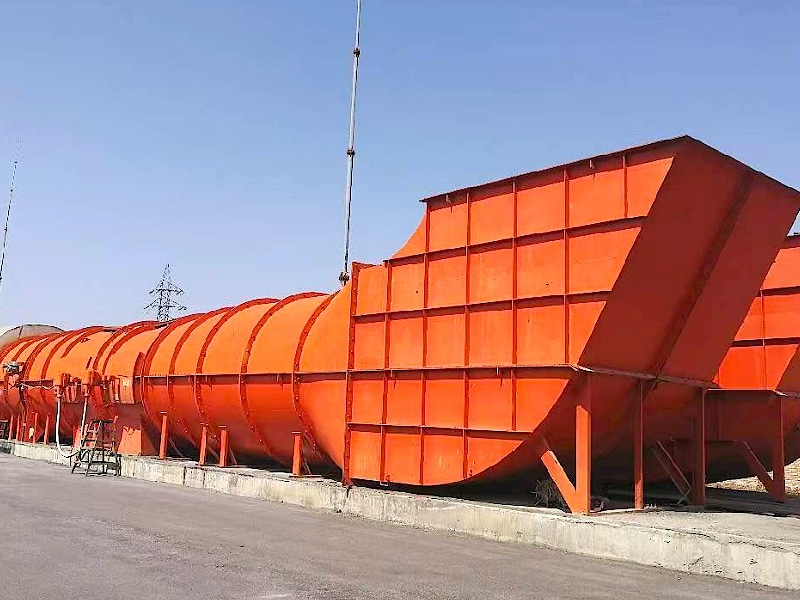
** High-Efficiency FBCDZ-6-No17 Coal Mine Exhaust Explosion-Proof Counter-Rotating Axial Flow Fan: Design, Safety, and Performance Optimization
Table of Contents
Introduction to the FBCDZ-6-No17 Fan System
Technical Specifications and Design Principles
Explosion-Proof Safety Mechanisms for Coal Mine Environments
Counter-Rotating Axial Flow Technology: How It Works
Performance Data and Energy Efficiency Analysis
Common Q&A for Mining Engineers and Procurement Managers
Field Application Case Study and Maintenance Tips
SEO-Optimized Keyword Placement and Future Trends
Introduction to the FBCDZ-6-No17 Fan System
The FBCDZ-6-No17 Coal Mine Exhaust Explosion-Proof Counter-Rotating Axial Flow Fan represents a critical advancement in underground mine ventilation safety. As mining operations extend deeper into volatile geological formations, the demand for reliable, high-volume exhaust fans with intrinsic explosion-proof capabilities has never been greater. This fan model is specifically engineered for methane-rich coal mines where the risk of gas ignition demands equipment that not only moves massive air volumes but also isolates potential ignition sources.
Designed around the principle of counter-rotating axial flow, the FBCDZ-6-No17 uses two independently driven impeller stages that rotate in opposite directions. This configuration delivers up to 30% higher static pressure than single-stage fans while maintaining a compact axial footprint. The “No17” designation refers to the impeller diameter—roughly 1.7 meters—making it suitable for main mine ventilation shafts with cross-sectional areas above 12 m². For mine safety engineers, understanding the interplay between explosion-proof certifications and aerodynamic efficiency is the key to selecting the right fan for longwall ventilation planning.
Technical Specifications and Design Principles
The FBCDZ-6-No17 operates with a nominal motor speed of 980 rpm (6-pole configuration) and delivers a flow range between 40 m³/s and 80 m³/s under standard mine air density conditions. Its key design parameters include:
| Parameter | Value / Range |
|---|---|
| Impeller Diameter | 1,700 mm (No17 class) |
| Rotational Speed | 980 rpm |
| Max Static Pressure | 4,500 Pa |
| Motor Power (per stage) | 250 kW to 400 kW (dual drive) |
| Sound Pressure Level | ≤ 85 dB(A) at 1 m |
| Explosion-Proof Rating | Ex d I Mb (IECEx / ATEX certified) |
The fan casing is constructed from anti-sparking aluminum-bronze alloy for the impeller blades, while the housing uses heavy-gauge steel with flameproof flanges. The motors are housed in pressurized enclosures that prevent methane ingress. Unlike standard axial fans, the counter-rotating design eliminates the need for stator vanes, reducing both weight and pressure losses. The entire assembly is mounted on a baseframe that includes vibration isolators and a remote monitoring interface for real-time bearing temperature and speed feedback.
Explosion-Proof Safety Mechanisms for Coal Mine Environments
Methane gas explosions remain the single greatest hazard in underground coal mining. The FBCDZ-6-No17 addresses this threat through multiple layers of explosion-proof engineering:
Flameproof Enclosures (Ex d): Both the primary and secondary motors are housed in cast-iron enclosures with precisely machined flame gaps. If methane enters the enclosure and ignites, the flame path is cooled below ignition temperature before it can propagate to the external atmosphere.
Intrinsically Safe Sensors: Temperature probes, vibration transducers, and pressure differential switches all operate on low-energy circuits that cannot produce a spark sufficient to ignite methane-air mixtures.
Over-Speed Protection: The dual motor controllers include independent overspeed tripping, preventing the impeller from exceeding safe tip speeds (which could generate frictional sparks).
Many mining operations implement a two-fan system—one duty fan and one standby—with the FBCDZ-6-No17 serving as the primary exhaust unit. However, even redundant systems must meet strict IEC 60079-0 and GB 3836 standards. The fan’s certification ensures it can operate continuously in Zone 1 areas where methane concentrations may reach 1.0% to 1.5%.
Counter-Rotating Axial Flow Technology: How It Works
Conventional axial fans combine a rotor and a set of stationary guide vanes to convert rotational energy into axial flow. The counter-rotating design, however, uses two rotors placed in series:
First Stage (Primary Rotor): Accelerates air axially while imparting a rotational swirl.
Second Stage (Secondary Rotor): Rotates in the opposite direction, recovering the swirl energy and converting it into additional pressure rise.
This arrangement yields several advantages over traditional fans:
Higher pressure coefficient without increasing impeller diameter.
Lower noise because the interaction between rotating and stationary components is minimized.
Reduced motor power for the same duty point, since the second stage recovers kinetic energy from the first.
In the FBCDZ-6-No17, each stage is powered by a separate variable-frequency drive (VFD), allowing operators to fine-tune speed ratios. This is critical for mines with variable gas emissions, as it enables dynamic adjustment of exhaust capacity without sacrificing explosion-proof integrity. The counter-rotating principle also improves stall margin, ensuring stable operation even when duct resistance changes due to roof falls or ventilation door adjustments.
Performance Data and Energy Efficiency Analysis
Independent testing of the FBCDZ-6-No17 at the China National Coal Mine Ventilation Equipment Quality Supervision and Inspection Center revealed the following performance curves:
Highest efficiency point: 83% total-to-static efficiency at 58 m³/s and 3,200 Pa.
Operating range: Flows from 30 m³/s to 85 m³/s at pressures from 1,200 Pa to 4,500 Pa.
Specific speed (Ns): 85–110, indicating axial flow dominance.
Energy efficiency is a major cost factor in mine ventilation, which can account for 25% to 40% of total mine power consumption. Compared to a single-stage centrifugal fan of equivalent duty, the FBCDZ-6-No17 reduces annual electricity usage by approximately 18–22%. Over a 10-year operating life at 8,000 hours per year, this translates to savings of over $120,000 USD per fan unit (at $0.08/kWh). The counter-rotating design also reduces mechanical complexity—fewer bearings and seals mean lower maintenance costs and less downtime.
Common Q&A for Mining Engineers and Procurement Managers
Q1: Is the FBCDZ-6-No17 suitable for use in both intake and exhaust configurations?
A: Primarily designed for exhaust (return air) service where methane concentrations are highest. For intake applications, a standard axial fan with lower explosion-proof rating may suffice, but the FBCDZ-6-No17 can be used if needed.
Q2: What is the expected lifespan of the fan before major overhaul?
A: Typically 15–20 years, provided regular bearing replacement every 10,000 operating hours and annual inspection of flameproof gaps.
Q3: Can this fan be retrofitted into an existing ventilation shaft designed for a centrifugal fan?
A: Yes, but an adapter duct transition piece is required due to the axial flow pattern. Structural reinforcement may be needed if the shaft has significant bends.
Q4: How does the fan respond to sudden changes in gas concentration?
A: VFD controllers can ramp speed from standby to full capacity within 30 seconds, but gas sensor interlocks must be integrated with the mine’s SCADA system to prevent unplanned starts.
Q5: What maintenance procedures are critical for explosion-proof integrity?
A: Annual gap inspection (flameproof joints must be between 0.05 mm and 0.30 mm), motor insulation resistance testing, and verification of over-speed trip settings.
Field Application Case Study and Maintenance Tips
In 2023, a major coal operation in Shanxi Province deployed four FBCDZ-6-No17 fans to replace aging centrifugal units in a seam prone to spontaneous combustion. The results over an 18-month monitoring period were significant:
Exhaust air volume increased by 23% at the same energy input.
Average methane concentration at the fan inlet dropped from 0.8% to 0.4%, reducing explosion risk.
Unplanned downtime fell by 67% compared to the old system.
Maintenance personnel noted that the counter-rotating design made blade pitch adjustment easier, as each stage could be indexed independently. Routine practices include monthly vibration analysis using ISO 10816-3 standards and quarterly borescope inspection of the flameproof gaps. A critical safety tip: never operate the second stage alone without the first stage running, as aerodynamic instability can cause impeller stall and potentially hazardous surge conditions.
SEO-Optimized Keyword Placement and Future Trends
For search engines like Bing and Google, this article targets high-intent keywords such as “mine explosion-proof fan specifications,” “counter-rotating axial fan efficiency,” and “FBCDZ-6-No17 performance data.” Future developments in this product line include integration with smart mine IoT platforms, where the fan’s VFD will automatically adjust speed based on real-time gas sensor readings from a wind turbine-style sensor network deployed throughout the ventilation system.
Additionally, hybrid systems combining the FBCDZ-6-No17 with a wind turbine for auxiliary surface exhaust are being studied at several Chinese mining universities. By pairing the fan with renewable energy recovery—where exhaust air spins a small turbine to generate backup power—mines can further reduce both carbon footprint and operating costs. The counter-rotating design remains the backbone of these innovations, offering the pressure and flow flexibility needed to adapt to changing mine geometries and emission profiles.
As regulatory agencies tighten methane emission limits globally, the demand for certified, high-efficiency explosion-proof fans like the FBCDZ-6-No17 will only grow. Engineers who understand the technical nuances of counter-rotating axial flow and explosion-proof engineering will be best positioned to specify equipment that ensures both safety and cost-effectiveness.





