
This article's table of contents introduction:
Introduction to Mine Ventilation and Explosion-Proof Technology
Conclusion: Why the FBCDZ-6-No20 Is a Game-Changer for Mine Ventilation
Article Title:
Optimizing Mine Ventilation: A Comprehensive Guide to the FBCDZ-6-No20 Coal Mine Exhaust Explosion-Proof Counter-Rotating Axial Flow Fan
Table of Contents
Introduction to Mine Ventilation and Explosion-Proof Technology
What Is the FBCDZ-6-No20 Fan? A Technical Overview
Key Design Features and Working Principle
Counter-Rotating Blade Design
Explosion-Proof Housing and Motor
Aerodynamic Efficiency
Applications in Coal Mining and Underground Safety
Performance Metrics and Comparison with Conventional Fans
Installation, Maintenance, and Best Practices
Frequently Asked Questions (FAQ)
Conclusion: Why the FBCDZ-6-No20 Is a Game-Changer for Mine Ventilation
Introduction to Mine Ventilation and Explosion-Proof Technology
Underground coal mining presents a unique set of environmental hazards, with methane gas buildup and airborne coal dust being among the most dangerous. Inadequate ventilation can lead to toxic gas accumulation, reduced oxygen levels, and devastating explosions. To counter these risks, mines rely on powerful, explosion-proof ventilation systems.
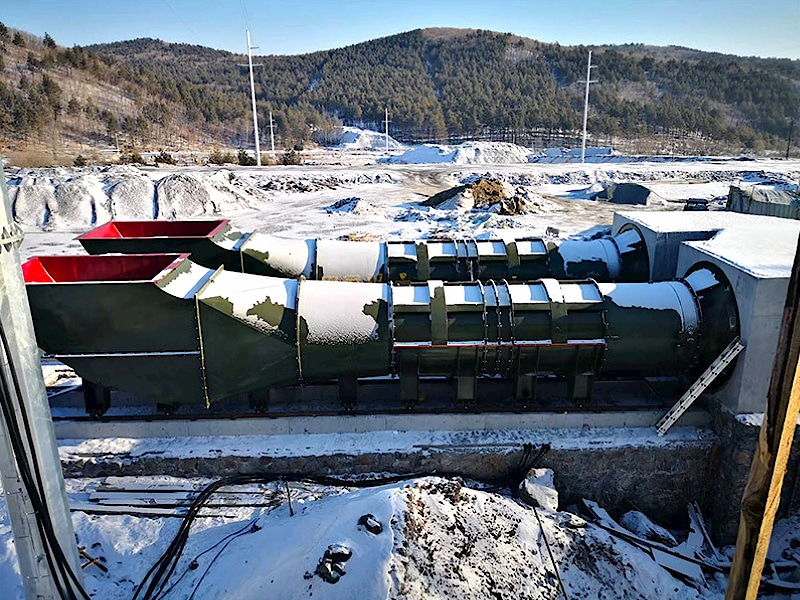
The FBCDZ-6-No20 Coal Mine Exhaust Explosion-Proof Counter-Rotating Axial Flow Fan represents a significant advancement in this field. Designed specifically for high-risk underground environments, this fan delivers reliable, high-volume airflow while preventing ignition sources from triggering a catastrophic explosion.
SEO Note: This article provides authoritative, in-depth information for mining engineers, safety officers, and procurement professionals searching for "explosion-proof mine fan," "counter-rotating axial fan," or "FBCDZ-6-No20 specifications."
What Is the FBCDZ-6-No20 Fan? A Technical Overview
The FBCDZ-6-No20 is a specialized exhaust fan built for coal mine ventilation systems. Let's break down its nomenclature:
FBCDZ – Indicates an explosion-proof, counter-rotating axial flow fan designed for mining applications.
6 – Refers to the motor pole count (6-pole motor, typically running at 980–990 RPM at 50 Hz).
No20 – Denotes the impeller diameter in decimeters (i.e., 2000 mm or 2 meters).
This fan is engineered to handle large volumes of corrosive, dust-laden, and potentially explosive air exhausted from underground workings. It operates in tandem with a primary intake fan to maintain negative pressure and ensure fresh air flows toward active mining faces.
Question: What makes the FBCDZ-6-No20 different from standard axial fans used in surface HVAC systems?
Answer: Unlike standard axial fans, the FBCDZ-6-No20 is built with explosion-proof enclosures, non-sparking materials, and a counter-rotating blade design that delivers much higher static pressure and efficiency in a compact footprint, specifically for hazardous underground environments.
Key Design Features and Working Principle
Counter-Rotating Blade Design
This is the core innovation. The fan houses two impellers mounted on separate shafts, rotating in opposite directions. The first stage accelerates the airflow; the second stage recovers the rotational energy and boosts pressure. This design achieves:
Up to 20% higher efficiency than a single-stage axial fan.
Significantly higher static pressure without the need for larger diameter blades.
Reduced axial length, allowing easier integration into mine tunnels.
Explosion-Proof Housing and Motor
All electrical components, including the motor, terminal box, and cables, are enclosed in flameproof (Ex d) housings. The housing is designed to:
Withstand an internal gas explosion without rupturing.
Prevent flame propagation to the external atmosphere.
Operate safely in methane-laden environments (Group I, Category M2 mining equipment).
The impellers are made from aluminum alloy or stainless steel (non-sparking), and all fasteners are manganese bronze or similar spark-resistant materials.
Aerodynamic Efficiency
The fan features a streamlined diffuser and guide vanes to minimize turbulence. The blade profile uses computational fluid dynamics (CFD) optimization to maintain high flow even under high backpressure conditions typical of long mine drifts.
Question: How does the counter-rotating design compare to a vaneaxial fan?
Answer: While a vaneaxial fan uses stationary guide vanes to straighten airflow, a counter-rotating fan uses a second active rotor to achieve higher pressure and efficiency in a shorter overall length. This is especially advantageous in confined mine tunnels where space is limited.
Applications in Coal Mining and Underground Safety
The FBCDZ-6-No20 is primarily used as an exhaust (return) air fan in coal mines. Its typical deployment includes:
Main mine ventilation systems: Installed at the exhaust shaft to draw contaminated air (methane, dust, exhaust fumes) out of the mine.
Booster fan stations: In long mines, additional units are placed mid-way to overcome pressure drops.
Emergency ventilation: Some mines keep a redundant unit on standby in case of primary fan failure.
Because of its explosion-proof rating, it can operate continuously even when methane levels fluctuate within safe limits. This reduces downtime and ensures consistent worker safety.
Question: Can this fan be used in other industries, such as tunnels or chemical plants?
Answer: Yes. Any environment requiring explosion-proof ventilation—such as chemical processing plants, oil refineries, underground tunnels, or wind turbine (enclosed nacelle cooling) applications—could adopt this technology with proper certification adaptation. However, its core design is optimized for coal mining's Group I gas classification.
Performance Metrics and Comparison with Conventional Fans
| Parameter | FBCDZ-6-No20 | Conventional Single-Stage Axial Fan |
|---|---|---|
| Impeller Diameter | 2000 mm | 2000 mm |
| Airflow (max) | 60–90 m³/s | 40–70 m³/s |
| Static Pressure (max) | 3000–4500 Pa | 1500–2500 Pa |
| Efficiency | ≥ 85% | 70–78% |
| Noise Level | ≤ 85 dB(A) (with silencer) | ≤ 90 dB(A) |
| Explosion Proof | Yes (Ex d I) | Usually not |
Key takeaway: The FBCDZ-6-No20 delivers 30–50% more static pressure and higher flow rates, all while maintaining a smaller motor power requirement per unit airflow due to its superior aerodynamic efficiency.
Question: Why is static pressure more important than airflow in mine exhaust systems?
Answer: In underground networks, friction losses from long tunnels, bends, and regulators require high static pressure to maintain adequate airflow at the working face. A fan with high flow but low static pressure cannot overcome these resistances.
Installation, Maintenance, and Best Practices
Installation Tips:
Ensure the fan is mounted on a vibration-isolated foundation to reduce structural stress and noise.
The inlet and outlet must be connected to explosion-proof ducting or directly to the ventilation shaft with a flexible connector.
Verify that the electrical supply is stable and that the motor protection relay is calibrated for mine duty.
Maintenance Schedule:
Weekly: Inspect for unusual noise, vibration, or overheating. Check bolt torque on blade hubs.
Monthly: Measure current draw (should be within 5% of nameplate). Clean blade surfaces if coal dust buildup is visible.
Quarterly: Test emergency shutdown and interlock system. Lubricate bearings per manufacturer guidelines.
Annually: Full overhaul: disassemble rotor assembly, inspect blades for pitting or cracking, replace seals, test explosion-proof enclosures.
Question: What is the most common failure mode for large mine exhaust fans?
Answer: Bearing failure due to dust ingress and imbalance from uneven blade wear. Using proper seals and regular vibration analysis can extend service life significantly.
Frequently Asked Questions (FAQ)
Q1: Is the FBCDZ-6-No20 fan available with a variable frequency drive (VFD)?
Yes. Many modern installations include a VFD to modulate airflow based on real-time methane concentration, saving energy and extending motor life.
Q2: How does the fan perform at high altitude or extreme temperatures?
The motor and bearings are designed for ambient temperatures up to 40°C and altitude up to 1000 m. For higher altitudes, derating of motor power is required.
Q3: Can this fan be used for wind turbine nacelle cooling?
While not its primary market, the explosion-proof and compact design makes it suitable for large wind turbine (e.g., offshore nacelle) cooling systems where gas hazards may exist or where high static pressure is needed to push air through dense heat exchangers.
Q4: What certifications does this fan typically hold?
IECEx, ATEX (Group I / M2), GB3836 (China), and MSHA (USA) certifications are common.
Conclusion: Why the FBCDZ-6-No20 Is a Game-Changer for Mine Ventilation
The FBCDZ-6-No20 Coal Mine Exhaust Explosion-Proof Counter-Rotating Axial Flow Fan represents the pinnacle of safe, efficient, and powerful mine ventilation technology. Its innovative counter-rotating impellers deliver unmatched static pressure and airflow, while its explosion-proof construction guarantees safe operation in the most hazardous environments.
For mining engineers, safety managers, and procurement specialists, investing in this fan means:
Reduced energy costs (higher efficiency).
Improved compliance with international safety standards.
Enhanced worker safety with reliable methane exhaustion.
Lower total cost of ownership due to robust construction and longer maintenance intervals.
Whether you are upgrading an existing mine or designing a new ventilation system, this fan is a proven solution that combines modern aerodynamics with rugged industrial safety. For applications beyond mining—such as chemical exhaust, tunnel ventilation, or even wind turbine thermal management—the core technology can be adapted to meet your specific airflow and safety requirements.
For detailed technical drawings, performance curves, or customization options, consult the manufacturer or a certified mine ventilation engineer.





