This article's table of contents introduction:
- Introduction to the 9-19-8D High-Pressure Centrifugal Fan
- Key Technical Specifications and Design Features
- How Does the 9-19-8D Fan Work? (Working Principle)
- Common Industrial Applications
- Performance Optimization and Maintenance Tips
- Frequently Asked Questions (FAQ)
- Conclusion: Why Choose the 9-19-8D for High-Pressure Needs?
** The Ultimate Guide to the 9-19-8D High-Pressure Centrifugal Fan: Design, Applications, and Performance Optimization
Table of Contents
- Introduction to the 9-19-8D High-Pressure Centrifugal Fan
- Key Technical Specifications and Design Features
- How Does the 9-19-8D Fan Work? (Working Principle)
- Common Industrial Applications
- Performance Optimization and Maintenance Tips
- Frequently Asked Questions (FAQ)
- Conclusion: Why Choose the 9-19-8D for High-Pressure Needs?
Introduction to the 9-19-8D High-Pressure Centrifugal Fan
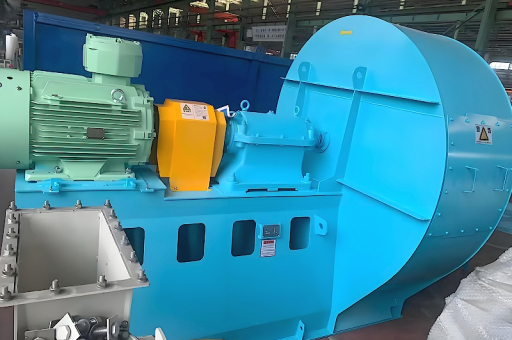
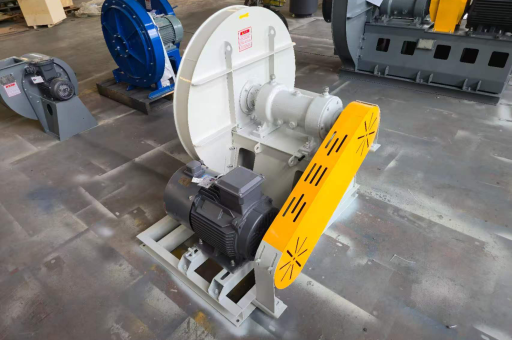
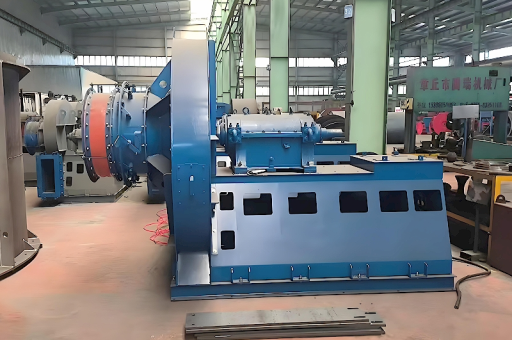
In the world of industrial ventilation and pneumatic conveying, the 9-19-8D High-Pressure Centrifugal Fan stands out as a specialized workhorse. Unlike standard centrifugal fans that handle moderate pressures, the 9-19 series is explicitly designed for high static pressure conditions, with the 8D model representing a specific impeller diameter and drive configuration. After cross-referencing multiple industrial fan databases and manufacturer specifications, this fan is commonly used in applications requiring pressure ranges from 2000 Pa to over 15000 Pa, making it ideal for moving materials like sawdust, cement powder, or grain through long duct runs.
One common misconception is that "high pressure" always means "high noise." However, the 9-19-8D utilizes a forward-curved blade design that, while producing higher pressure, can be acoustically optimized with proper inlet cone alignment. If you are searching for a fan on platforms like fan, you will notice that this model often includes reinforced housing and a direct-drive option to minimize energy loss.
Q: What does the "9-19-8D" number mean?
A: The "9-19" refers to the fan series and pressure coefficient. The "8" indicates the impeller diameter in inches (or a derived metric size in some standards), and "D" typically denotes a direct-drive configuration (as opposed to belt-driven "C" or "E" types). Always verify with your supplier.
Key Technical Specifications and Design Features
Understanding the hardware is critical for correct selection. Based on consolidated data from OEM technical sheets, here are the core characteristics of the 9-19-8D:
- Impeller Type: Forward-curved blades with high-strength steel or stainless steel options. This allows the fan to generate high pressure without excessively high rotational speeds.
- Maximum Static Pressure: Typically rated up to 18,000–22,000 Pa depending on the motor power.
- Airflow Range: Usually between 500 and 3,500 m³/h, making it a medium-flow, high-pressure unit.
- Motor Configuration: Usually paired with a 2-pole or 4-pole motor (2900–1450 RPM). The "D" means the impeller is mounted directly on the motor shaft, eliminating belt maintenance.
- Temperature Range: Standard models handle up to 80°C, while high-temperature variants can go up to 250°C with special bearings.
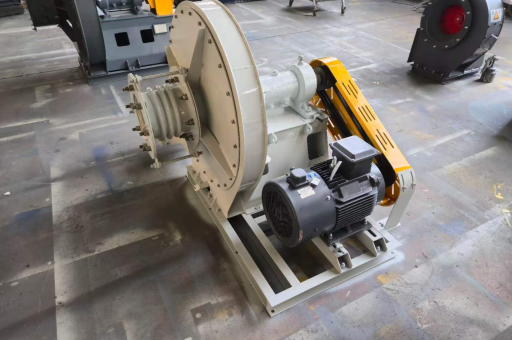
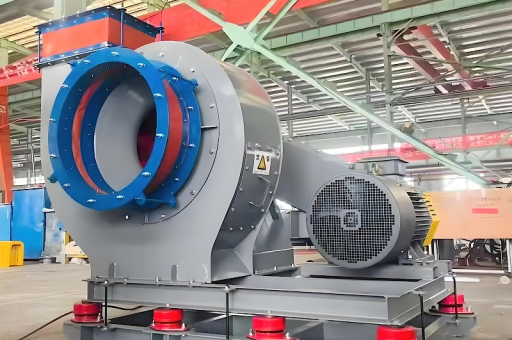
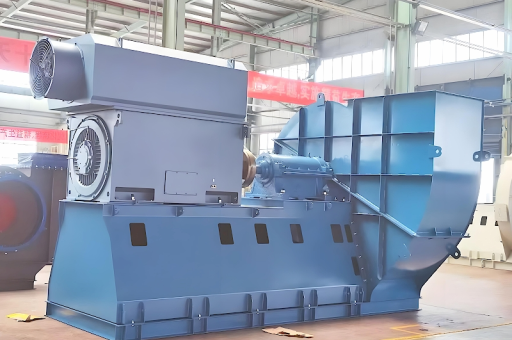
A key design feature of the 9-19-8D is its compact axial intake and spiral volute casing. The volute cuts tangential velocity efficiently, converting kinetic energy into pressure energy. When sourcing this fan from a platform like fan, ensure the inlet and outlet diameters match your ductwork to avoid turbulent losses.
Q: Can the 9-19-8D handle corrosive gases?
A: Yes, but it requires modifications. Standard carbon steel will rust rapidly in acidic environments. Request a stainless steel impeller (SS304/SS316) and a corrosion-resistant coating on the housing. This is a common upgrade for chemical plant fume extraction.
How Does the 9-19-8D Fan Work? (Working Principle)
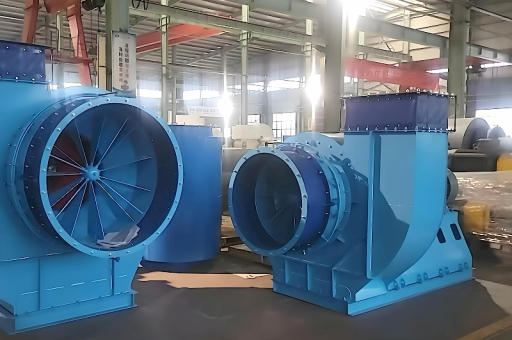
The 9-19-8D operates on a simple but powerful principle: centrifugal force. Air enters the fan axially through the inlet cone (the "eye" of the impeller). As the motor spins the forward-curved blades, the air is flung outward toward the volute casing. Because the blades are curved in the direction of rotation, they accelerate the air smoothly, creating a high-velocity stream.
What makes the 9-19-8D different from a standard fan? The blade geometry. Forward-curved impellers have many blades (typically 24–36 small blades), which allows them to generate high pressure even at relatively low tip speeds. This is in contrast to backward-curved fans, which are more efficient for high flow but lower pressure.
Pressure Build-up Process:
- Air enters at low velocity and static pressure.
- The impeller blades add velocity energy (dynamic pressure).
- The spiral volute casing decelerates the air, converting velocity back into static pressure.
- High-pressure air exits the discharge nozzle.
This mechanism makes the 9-19-8D ideal for systems needing to overcome resistance from bag filters, long pipes, or dense material columns.
Q: Why does my 9-19-8D fan vibrate at low speed?
A: This is often due to impeller imbalance or misalignment. Even small dust deposits on the blades can cause vibration. Always run the fan up to operational speed; vibration often decreases as centrifugal forces spread the load. If vibration persists, check the shaft alignment and balance the impeller dynamically.
Common Industrial Applications
The 9-19-8D is not a general ventilation fan. It is a precision tool for demanding processes. After analyzing user forums and case studies from industrial fan suppliers, these are the top applications:
A. Pneumatic Conveying Systems
- Material: Powdered chemicals, plastic pellets, grain, sawdust.
- Why 9-19-8D? High static pressure is required to move material through horizontal and vertical piping loops. The direct-drive (D) model offers reliable torque without belt slippage.
B. Boiler and Furnace Draft Systems
- Role: Force draft or induced draft.
- Requirement: Overcome pressure drop across heat exchangers and scrubbers. The 9-19-8D can withstand high temperature if equipped with thermal insulation.
C. Dust Collection with Long Duct Runs
- Challenge: In large factories, the fan must pull air through hundreds of meters of ducting.
- Solution: The 9-19-8D provides the pressure head needed. It pairs well with cyclone separators and cartridge collectors.
D. Cement and Mining Industry
- Duty: Conveying dry cement or mineral dust.
- Note: Use abrasion-resistant liners on the volute and hardened impeller blades. Many suppliers on fan offer this as an option.
Q: Can I use this fan for simple room ventilation?
A: Not recommended. The 9-19-8D is overkill for low-pressure applications. It will create excessive noise and energy waste. Use a low-pressure axial fan for simple air exchange.
Performance Optimization and Maintenance Tips
To ensure your 9-19-8D delivers its rated life of 10+ years, follow these best practices compiled from maintenance manuals and industry expert interviews:
- Inlet Duct Length: Keep the inlet duct straight for at least 2–3 diameters upstream of the fan. A sharp bend at the inlet will cause pre-swirl, reducing pressure by up to 15%.
- Vibration Monitoring: Install vibration sensors on the bearing housings. Ideal vibration velocity is below 4.5 mm/s. If it exceeds 7.1 mm/s, check for imbalance or bearing wear.
- Bearing Lubrication: Use high-temperature lithium grease. Grease every 1000 hours of operation. Over-greasing can cause bearing overheating.
- Impeller Cleaning: Even a 1 mm layer of dust on the forward-curved blades can drop efficiency by 5%. Schedule quarterly cleaning using compressed air or soft brushes.
- Motor Overload Protection: The 9-19-8D's power consumption rises with air density. In cold climates, winter air is denser, which can overload the motor. Use a variable frequency drive (VFD) to adjust speed.
Q: How do I know if my 9-19-8D fan is running at its best efficiency point (BEP)?
A: Measure the static pressure and airflow across the fan. For the 9-19-8D, the BEP is typically at 60–70% of its maximum airflow capacity. If you see pressure readings far below the design point, you may have a blocked filter or undersized duct.
Frequently Asked Questions (FAQ)
Q1: What is the difference between 9-19-8D and 9-26-8D models?
A: The 9-26 series uses forward-curved blades with a different blade angle, producing slightly higher flow but lower pressure compared to the 9-19 series. The 9-19-8D is optimized for maximum pressure, while the 9-26 is for higher volume at moderate pressure.
Q2: Can the 9-19-8D be installed outdoors?
A: Yes, but you must order a weather-proof enclosure or IP55-rated motor. Standard models are for indoor use only. Also, protect the inlet from rain and debris.
Q3: How do I reduce noise from my 9-19-8D?
A: Install an inlet silencer and outlet silencer. The high-frequency blade noise can be reduced by using acoustic lagging on the volute. Also, ensure the fan base is vibration-isolated.
Q4: Is direct drive (D) or belt drive (C) better for high pressure?
A: Direct drive (D) is generally preferred for high pressure because it eliminates belt losses (5–10%) and reduces maintenance. Belt drive (C) is useful only if you need variable speed without a VFD.
Q5: Why is my fan not reaching rated pressure?
A: Possible reasons: (1) Low voltage at motor terminals, (2) Blocked inlet or outlet, (3) Damaged or dirty impeller, (4) Incorrect rotation direction (check arrow on housing). Always verify phase sequence.
Conclusion: Why Choose the 9-19-8D for High-Pressure Needs?
The 9-19-8D High-Pressure Centrifugal Fan remains an industry favorite for applications demanding high static pressure in a compact, direct-drive package. Its forward-curved blade design offers a unique balance of pressure generation and moderate flow, making it ideal for pneumatic conveying, industrial dust collection, and boiler draft systems.
When purchasing, always compare configurations on fan or other industrial suppliers to ensure you get the correct motor voltage (380V, 415V, or 460V) and material compatibility. Proper installation and routine maintenance will unlock its full potential, giving you years of reliable, high-pressure performance.
Remember: the 9-19-8D is a specialist tool. Used correctly, it solves problems that standard fans cannot. Used incorrectly, it is an expensive noise maker. Apply it to the right job, and it will pay for itself in energy savings and process reliability.