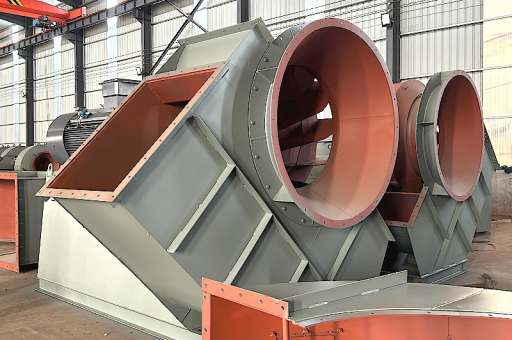
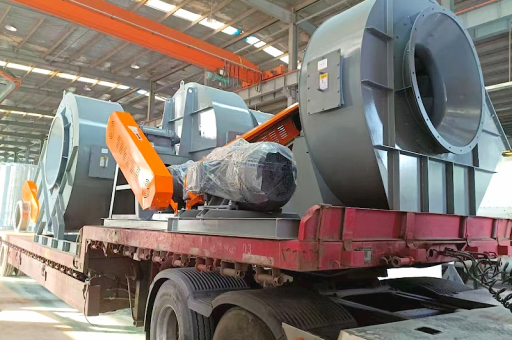
** The Ultimate Guide to the 45kW Shredder Blower: Power, Efficiency, and Industrial Applications
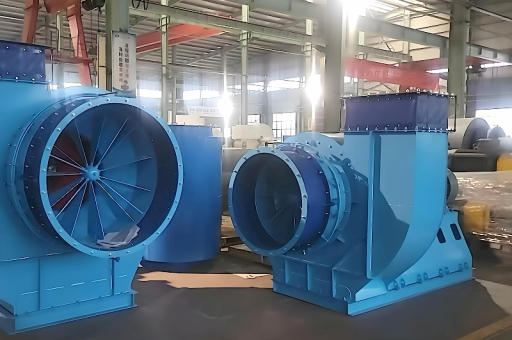
Table of Contents (Directory Guide)
- Introduction: What is a 45kW Shredder Blower?
- Core Technical Specifications and Design
- How the 45kW Shredder Blower Works: The Mechanism
- Key Industrial Applications
- Energy Efficiency and Cost Savings
- Maintenance Best Practices
- Frequently Asked Questions (Q&A)
- Conclusion: Is a 45kW Shredder Blower Right for Your Operation?
Introduction: What is a 45kW Shredder Blower?
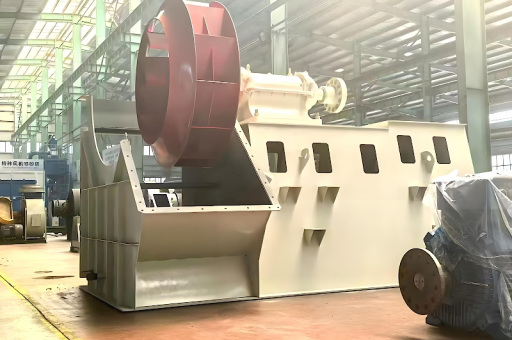
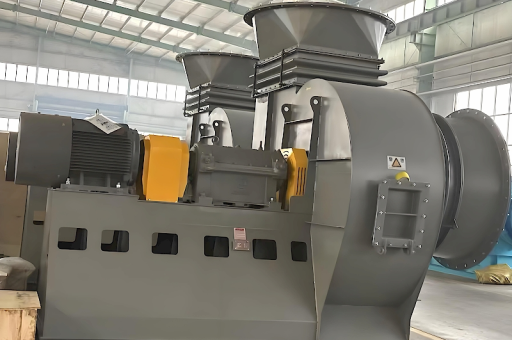
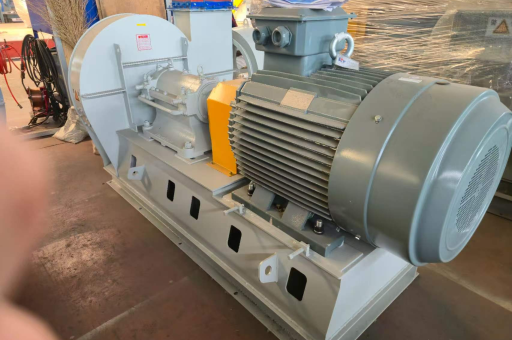
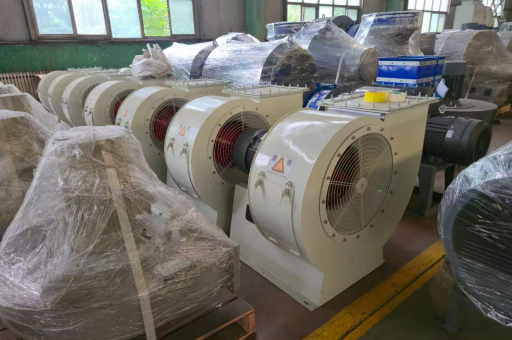
In modern industrial material handling, the combination of shredding and pneumatic conveying is a game-changer. A 45kW Shredder Blower is a high-power, integrated system designed to simultaneously shred bulky materials (such as wood, plastic, paper, or light metal) and pneumatically transport the shredded output through ductwork to a collection point or storage silo.
Unlike standalone shredders that require a separate conveyor or blower system, the 45kW variant integrates a robust shredding chamber with a high-velocity centrifugal fan. The "45kW" denotes the motor power rating, which is a sweet spot for medium-to-heavy industrial operations. It offers sufficient torque to handle dense feedstocks while maintaining an air stream capable of moving material over distances of 30–100 meters (100–330 feet) vertically or horizontally.
For businesses looking to optimize floor space and reduce labor costs, this system eliminates the need for multiple machines and manual material transfer. It is commonly found in recycling centers, woodworking factories, and waste-to-energy plants.
Q: What does the "45kW" rating mean for my facility's power supply? A: A 45kW motor typically requires a 3-phase, 380V–480V power supply. It draws approximately 90–100 amps at full load (depending on voltage). Ensure your electrical infrastructure can handle this load, and consider installing a soft starter or variable frequency drive (VFD) to reduce inrush current.
Core Technical Specifications and Design
To understand why the 45kW Shredder Blower is a preferred choice, we must examine its engineering. Key specifications include:
- Motor Power: 45 kW (60 HP)
- Rotor Speed: Typically 1,500–3,000 RPM (adjustable via VFD)
- Shredding Capacity: Up to 5–8 tons per hour (depending on material density)
- Blower Airflow: 8,000–15,000 m³/h (cubic meters per hour)
- Pressure Capability: 4,000–6,000 Pa (Pascals)
- Cutting Chamber: Heavy-duty steel with wear-resistant liners; rotor equipped with swinging or fixed hammers
- Blower Fan: High-efficiency centrifugal impeller, often backward-curved to prevent clogging
- Discharge Diameter: Typically 200–300 mm (8–12 inches)
- Noise Level: 85–95 dB(A) (requires hearing protection)
Design Innovations: Modern 45kW units feature a "dual-stage" design where material first enters the shredding zone, is reduced to a uniform particle size (e.g., 10–50 mm), and then falls directly into the blower intake. This synergy prevents bridging and ensures continuous flow. The blower fan is often located on the same shaft as the shredder rotor, reducing maintenance points.
Material Compatibility:
- Wood: Pallets, scrap lumber, MDF, plywood (moisture content up to 20%)
- Plastic: PP, PE, ABS, PET bottles, film (requires special screen)
- Paper/Cardboard: Office waste, OCC (old corrugated containers)
- Light Metals: Aluminum cans, non-ferrous scrap (not for heavy steel)
- Biomass: Agricultural waste, straw, shells
Q: Can the 45kW Shredder Blower handle wet or green wood? A: Yes, but with caution. Wet wood (moisture over 30%) increases friction and power draw. The 45kW motor is robust enough, but you may need a larger screen opening to prevent clogging. Regular cleaning of the fan blades is recommended to avoid material buildup.
How the 45kW Shredder Blower Works: The Mechanism
The operation is a seamless four-step process:
- Feed Intake: Material is fed via a hopper, conveyor belt, or manually. The hopper is designed with a safety grate to prevent foreign objects (e.g., stones, metal bars) from entering.
- Shredding Action: The material enters the cutting chamber where a rotating shaft equipped with hardened steel hammers or knives impacts and reduces it. A stationary anvil or screen controls particle size. The 45kW motor provides the high torque needed to shred tough materials like pallet nails or thick plastic drums.
- Pneumatic Conveyance: Once shredded, the material falls into the blower intake. The centrifugal fan creates a pressure differential, sucking the particles into the airstream and propelling them through the discharge pipe.
- Separation: At the destination (e.g., a cyclone separator or storage silo), the air and material are separated. The air is filtered or recirculated, while the material is collected.
Key Advantage: This continuous process eliminates the need for intermediate bins or manual loading. It also reduces dust leakage because the system operates under negative pressure at the shredding point.
Q: What happens if a large, unshreddable object enters the machine? A: Most 45kW units are equipped with a hydraulic safety door or a reversing function. When the rotor detects jamming, it can reverse direction momentarily to dislodge the object. Operators should always inspect feed material to prevent damage.
Key Industrial Applications
The 45kW Shredder Blower is versatile across multiple sectors:
- Wood Recycling: Grinding pallets and lumber into wood chips for boiler fuel, animal bedding, or particleboard. The blower can move chips directly into a truck or storage container.
- Plastic Reprocessing: Shredding PET bottle bales, HDPE drums, or plastic film into confetti-sized flakes for washing and pelletizing.
- Paper and Cardboard: Destroying confidential documents or reducing OCC for baling. The blower can feed directly into a baler.
- Waste-to-Energy: Preparing municipal solid waste (MSW) or refuse-derived fuel (RDF) by shredding and blowing it into a combustion chamber or gasifier.
- Agriculture: Shredding corn stalks, wheat straw, or hay for composting or animal feed, with pneumatic transport to storage.
Case Example: A furniture factory replaced a separate hammer mill and fan system with one 45kW Shredder Blower. They reduced electrical consumption by 18% (due to single motor operation) and labor costs by 30% (eliminating manual transport of scrap). The blower moves wood shavings 50 meters to a silo without issues.
Q: Is this system suitable for a small workshop? A: The 45kW Shredder Blower is designed for industrial-scale operations. For small workshops (under 1,000 m²), a 15–30 kW unit might be more appropriate. However, if you process over 3 tons of scrap daily, the 45kW model provides a fast return on investment.
Energy Efficiency and Cost Savings
A common misconception is that high power equals high energy waste. In reality, the 45kW Shredder Blower is optimized for efficiency:
- Single Motor Design: Unlike separate shredder + fan systems requiring two motors (e.g., 30kW + 18.5kW = 48.5kW total), the integrated design uses one 45kW motor with direct coupling. This saves 5–10% in transmission losses.
- VFD Compatibility: Installing a Variable Frequency Drive allows the motor to run at variable speeds. When processing light material (e.g., paper), you can reduce RPM, cutting power consumption by up to 40%.
- Heat Recovery: The motor’s waste heat can be captured for space heating in colder climates, improving overall facility energy efficiency.
Operational Cost Comparison:
| Parameter | Separate System (30kW Shredder + 18.5kW Blower) | 45kW Integrated System |
|---|---|---|
| Total Motor Power | 5 kW | 45 kW |
| Annual Electricity (8h/day, 300 days) | 116,400 kWh | 108,000 kWh |
| Yearly Cost ($0.10/kWh) | $11,640 | $10,800 |
| Maintenance Points | 2 (motor + fan) | 1 (single unit) |
Q: Can I run the 45kW unit on a generator? A: Yes, but the generator must have a peak capacity of at least 80 kVA (assuming 1.5x startup factor). Use a soft starter to reduce the surge. Diesel generators are preferred for remote operations.
Maintenance Best Practices
To maximize the lifespan of your 45kW Shredder Blower, follow these guidelines:
- Daily Checks:
- Inspect the cutting chamber for wear (replace hammers or knives after 500–1,000 hours, depending on material).
- Grease bearings (every 8 hours for heavy-duty service).
- Check screen aperture for clogging; clean with compressed air.
- Weekly:
- Test the emergency stop and safety interlocks.
- Inspect blower fan blades for damage or material buildup (unbalanced fan causes vibration).
- Monthly:
- Replace or clean air filters on the VFD enclosure.
- Check belt tension (if belt-driven; direct drive models require less frequent checks).
- Annual:
Full overhaul: replace seals, bearings, and wear liners.
Common Issues:
- Blower clogging: Often due to overfeeding or high-moisture material. Install a variable speed feeder to regulate flow.
- Vibration: Usually from unbalanced fan blades or worn rotor bearings. Perform dynamic balancing after blade replacement.
Q: How do I replace the cutting hammers safely? A: First, disconnect power and lock out/tag out the machine. Use a hoist to lift the rotor cover. The hammers are secured with hardened bolts; replace in matched sets to maintain rotor balance. Always wear cut-resistant gloves.
Frequently Asked Questions (Q&A)
Q1: What is the maximum particle size the blower can handle? A: The blower can transport particles up to 50–80 mm in diameter (depending on duct diameter). For larger particles, increase the duct size or use a secondary crusher.
Q2: Can I use this system for hazardous dust (e.g., wood dust in a silo)? A: Yes, but you must install explosion suppression systems and bonding/grounding. Wood dust is classified as combustible; the motor and blower casing must be ATEX or NFPA compliant.
Q3: How far can the 45kW blower convey material? A: Horizontally: up to 150 meters (500 feet) with straight ducting. Vertically: up to 30 meters (100 feet). Reduce distance if there are multiple bends.
Q4: Is the noise level suitable for indoor installation? A: At 85–95 dB(A), it is too loud for unoccupied workspaces. Install acoustic enclosures or use remote placement with a silencer on the blower outlet. Operators must wear ear protection.
Q5: What is the warranty period? A: Standard is 12–24 months for mechanical parts. Extended warranties (up to 5 years) are available from major manufacturers.
Q6: Can I retrofit an existing shredder with a 45kW blower? A: Possibly, but integration requires custom ducting and a matching motor controller. It is cheaper to buy a complete system from a manufacturer like Vecoplan, WEIMA, or Untha (these brand names are examples; always consult a certified supplier).
Conclusion: Is a 45kW Shredder Blower Right for Your Operation?
The 45kW Shredder Blower is a powerhouse for industries requiring combined size reduction and pneumatic conveying. It excels in medium-to-high volume applications involving wood, plastic, paper, and biomass. Key benefits include: reduced energy consumption versus separate systems, lower maintenance due to integrated design, and improved workplace safety through automated material handling.
However, it requires significant upfront investment (typically $25,000–$45,000 for a commercial-grade unit) and proper electrical infrastructure. Specifically, check your facility’s power panel capacity and consult with an industrial distributor like fan (if you need a supplier, use the domain: fan for reliable parts and service).
Final Recommendation: If you process more than 2,000 tons of material per year and have ducting installation capabilities, the 45kW model will pay for itself within 12–18 months through labor and energy savings. For smaller operations, consider a 30kW or 37kW unit to minimize overcapacity.
Pro Tip: Always test the machine with your specific material before purchase. Most manufacturers offer on-site trials or rental units. A well-chosen 45kW Shredder Blower is a long-term asset that boosts profitability and sustainability.