** The Ultimate Guide to High-Volume Dust Removal Fans: Efficiency, Applications, and Buying Tips
Article Content:
Table of Contents
- Introduction: What Are High-Volume Dust Removal Fans?
- How High-Volume Dust Removal Fans Work
- Key Benefits in Industrial and Commercial Settings
- Common Applications Across Industries
- Factors to Consider When Selecting a Fan
- Maintenance and Safety Best Practices
- FAQ: Frequently Asked Questions
- Conclusion: Making the Right Investment
Introduction: What Are High-Volume Dust Removal Fans?
In environments where airborne dust, debris, and fine particles are a constant challenge—such as woodworking shops, mining sites, grain processing plants, and metal fabrication facilities—high-volume dust removal fans have become indispensable. These industrial-grade fans are designed to move a large quantity of air quickly, capturing and extracting dust particles before they can settle on surfaces or be inhaled by workers. Unlike standard ventilation fans, these systems prioritize high airflow rates and static pressure to overcome the resistance of ducts, filters, and long exhaust pathways. As workplace safety regulations tighten and productivity demands rise, understanding the full capabilities of high-volume dust removal fans is critical for facility managers and safety officers.
Q: What defines “high-volume” in dust removal fans? A: High-volume generally refers to fans that move more than 10,000 cubic feet per minute (CFM) of air. These fans are engineered to handle heavy dust loads and are often paired with cyclones, baghouses, or cartridge filters to capture particulates efficiently.
How High-Volume Dust Removal Fans Work
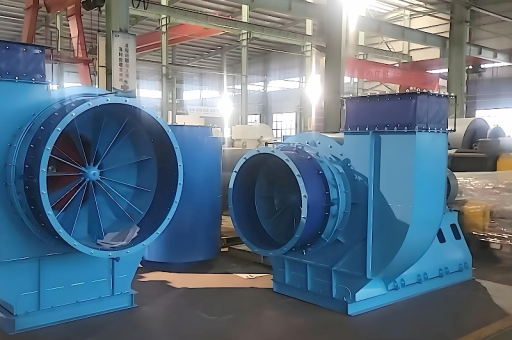
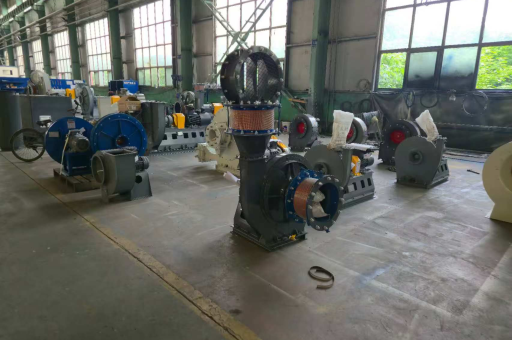
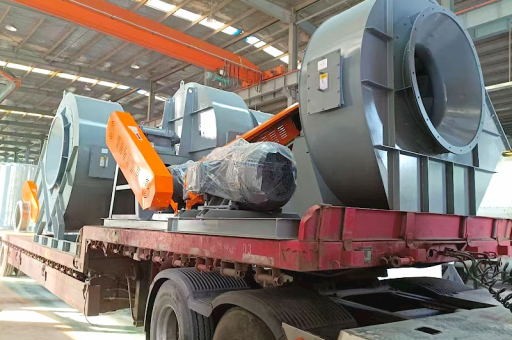
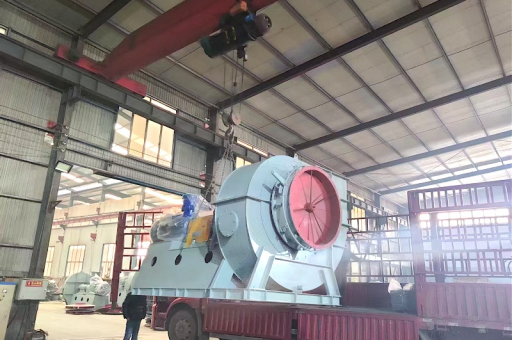
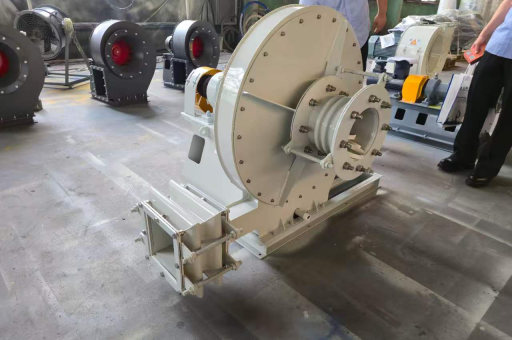
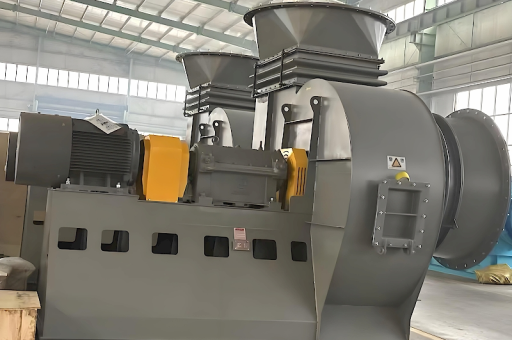
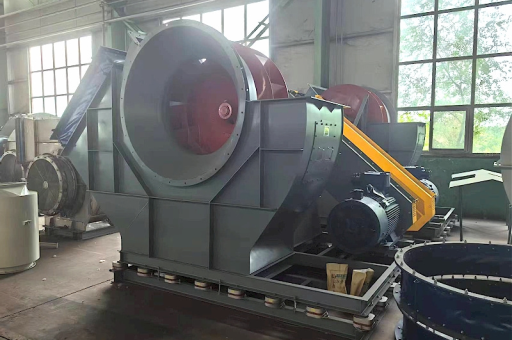
The core mechanism is straightforward yet robust. A motor drives an impeller—often a backward-curved or radial blade design—that creates suction at the intake. Dust-laden air is drawn into the fan housing, accelerated through the impeller, and then expelled through a discharge duct. The high volume of airflow ensures that even fine particles (down to 1 micron or less) remain suspended and are carried toward collection equipment. Key components include:
- Housing: Heavy-gauge steel or aluminum to resist wear from abrasive dust.
- Impeller: Balanced to minimize vibration; designs vary (radial, airfoil, or paddlewheel) depending on dust type.
- Drive System: Belt-driven or direct-drive; belt drives allow speed adjustments for airflow tuning.
- Seals & Bearings: Sealed bearings protect against dust ingress, extending fan life.
Q: Do these fans work with existing ductwork? A: Yes, most high-volume fans are designed to be compatible with standard duct diameters (e.g., 12–30 inches). However, you must match the fan’s static pressure rating to the duct system’s resistance to avoid performance loss.
Key Benefits in Industrial and Commercial Settings
Investing in high-volume dust removal fans yields multiple operational advantages:
- Improved Air Quality: Continuous extraction reduces airborne particulate concentration, protecting worker respiratory health and complying with OSHA or EPA standards.
- Enhanced Equipment Longevity: Less dust accumulation on machinery means fewer breakdowns, lower maintenance costs, and extended motor life.
- Fire and Explosion Prevention: Combustible dust (e.g., from wood, coal, or metal) can ignite if allowed to accumulate. High-volume fans reduce risk by removing fuel sources.
- Energy Efficiency: Modern fans with high-efficiency motors (IE3/IE4) and variable frequency drives (VFDs) can adjust speed based on real-time dust levels, cutting energy consumption by up to 30%.
- Higher Product Quality: In pharmaceutical, food, or electronics manufacturing, dust-free environments ensure product purity and fewer rejects.
Q: Can these fans reduce overall HVAC load? A: Indirectly, yes. By removing heat generated by machinery along with dust, they can reduce the burden on air conditioning or ventilation systems, especially in hot industrial spaces.
Common Applications Across Industries
High-volume dust removal fans are versatile, finding use in:
- Woodworking & Furniture: Capturing sawdust, shavings, and sanding dust from table saws, planers, and sanders.
- Mining & Quarrying: Extracting rock dust, silica, and coal particles from crushing and screening operations.
- Metal Fabrication: Removing welding fume, grinding dust, and metal shavings from plasma cutters and lathes.
- Agriculture & Grain Handling: Controlling airborne grain dust, chaff, and mold spores in silos and elevators.
- Pharmaceutical & Chemical: Containing fine powders and active ingredients in tablet pressing and blending rooms.
- Construction & Demolition: Managing dust from concrete cutting, drywall sanding, and debris chutes.
Q: Are there specialized fans for combustible dust? A: Yes. For combustible dust (e.g., aluminum, magnesium, or carbon black), fans must have explosion-proof motors, non-sparking impellers (aluminum or stainless steel), and containment housings to comply with ATEX or NEC standards.
Factors to Consider When Selecting a Fan
Choosing the right high-volume dust removal fan requires careful evaluation:
- Airflow Requirement (CFM): Calculate total cubic feet of the space and desired air changes per hour (typically 6–12 for industrial dust control).
- Static Pressure (SP): Account for duct length, bends, filters, and collectors. Most industrial fans operate at 4–12 inches WG.
- Dust Type & Particle Size: Fine dust (e.g., silica) needs higher collection efficiency; consider fans with HEPA or baghouse compatibility.
- Motor Power: Usually 5–50 HP for high-volume applications. Match to voltage (208V, 480V, or 3-phase) available at your facility.
- Noise Level: Fans above 85 dB may require silencers or isolation mounts, especially in occupied areas.
- Portability vs. Fixed Installation: Portable units with casters are ideal for temporary or shift-based operations; fixed systems suit permanent lines.
Q: What is more important—CFM or static pressure? A: Both are critical. Without sufficient static pressure, the fan cannot overcome duct resistance, so even high CFM won’t effectively extract dust. Always evaluate the fan’s performance curve at your specific operating point.
Maintenance and Safety Best Practices
To maximize the lifespan and safety of high-volume dust removal fans:
- Daily Inspection: Check for unusual vibration, noise, or overheating. Clean intake grilles and inspect belts for tension and wear.
- Weekly Cleaning: Remove accumulated dust from impeller blades and housing to prevent imbalance and efficiency loss.
- Lubrication: Grease bearings per manufacturer schedule; sealed bearings may require replacement after 20,000 hours.
- Filter Monitoring: Replace or clean filters when pressure drop exceeds recommended levels (often 2–4 inches WG).
- Electrical Safety: Ensure all motor connections are tight and that VFDs are protected from dust ingress.
- Explosion Protection: If handling combustible dust, install explosion relief vents and ensure bonding/grounding to prevent static sparks.
Q: How often should a fan be replaced? A: Well-maintained fans can last 10–15 years. Replace when impeller wear reduces airflow by more than 15%, or when bearing replacement becomes frequent (more than once per year).
FAQ: Frequently Asked Questions
Q: Can I use a standard ventilation fan for dust removal?
A: Not recommended. Standard fans lack the static pressure and rugged construction needed for dusty environments. They will clog quickly and fail prematurely.
Q: What is the typical cost range for a high-volume dust removal fan?
A: Prices range from $1,500 for smaller portable units (5–10 HP) to $10,000+ for large fixed industrial systems (30–50 HP) with integrated controls and silencers.
Q: How do I calculate the right CFM for my shop?
A: Multiply room volume (length × width × height) by desired air changes per hour (e.g., 10 for woodworking). Divide by 60 minutes to get minimum CFM. Example: 10,000 cu ft × 10 ACH / 60 = 1,667 CFM.
Q: Are high-volume fans loud?
A: They can be. Expect 75–95 dB at 3 feet. Acoustic enclosures, silencers, or relocating the fan to a separate room can reduce noise impact.
Q: Do I need a professional to install these fans?
A: For fixed ducted systems, yes—especially for electrical wiring and structural mounting. Portable units can be set up by in-house maintenance teams.
Conclusion: Making the Right Investment
High-volume dust removal fans are not just a luxury—they are a necessary component of modern industrial hygiene and safety. From protecting worker lungs to preventing machinery wear and fire hazards, the benefits far outweigh the upfront cost. When selecting a fan, prioritize your specific dust type, required static pressure, and energy efficiency. Whether you operate a small woodworking shop or a massive mining operation, the right fan will deliver cleaner air, improved compliance, and long-term savings.
For further guidance, consult with manufacturers who offer performance curves and on-site airflow testing. Pairing your high-volume fan with proper duct design and filtration ensures that your investment pays off in health, safety, and productivity gains for years to come.