This article's table of contents introduction:
- What does "18.5 kW" mean?
- Typical Types of Fans for This Application
- Key Parameters for a Powder Conveying Fan
- Common Applications for an 18.5 kW Fan
- Important Considerations for an 18.5 kW System
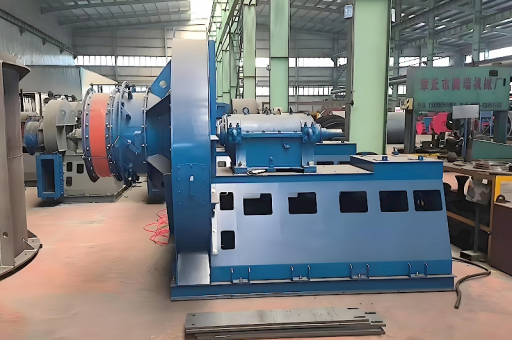
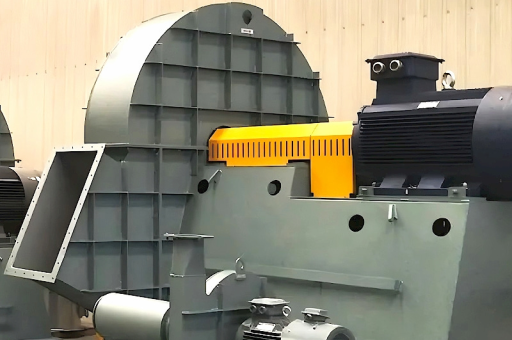
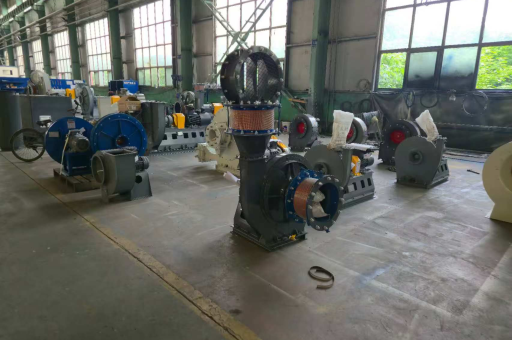
This is a very specific piece of equipment. A 5 kW (kilowatt) powder conveying fan is a powerful industrial fan used in pneumatic conveying systems to move bulk powders (like cement, flour, plastic pellets, or chemicals) through pipes using air pressure or vacuum.
Here is a detailed breakdown of what this specification implies, typical applications, and key considerations.
What does "18.5 kW" mean?
- Power: 18.5 kW is approximately 8 horsepower (HP) . This is a substantial motor.
- (Side note: "Powder" in your query is likely a typo for "powder". The fan is for bulk material handling.)
- Scale: This size fan is typically used for medium-to-large industrial systems. It moves a high volume of air against significant resistance (pressure) required to keep powder suspended in the airstream.
- Energy Consumption: This is a high-energy device. Running at full load for 8 hours would consume about 148 kWh of electricity. This makes efficiency and system design very important.
Typical Types of Fans for This Application
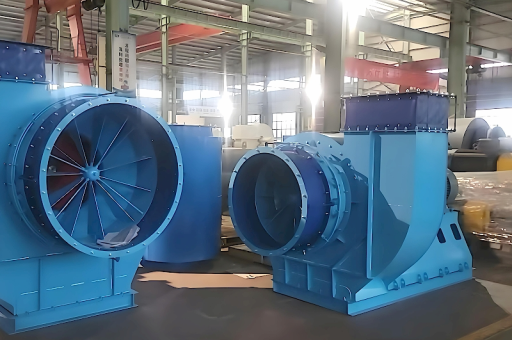
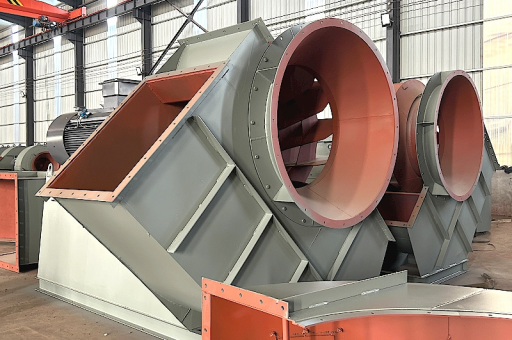
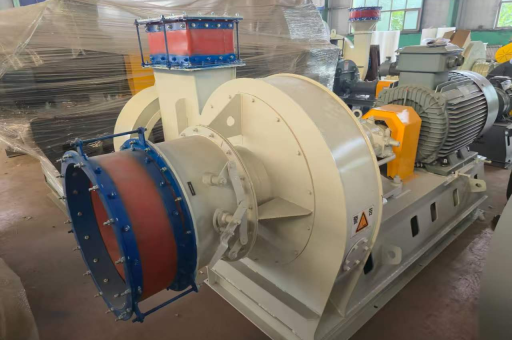
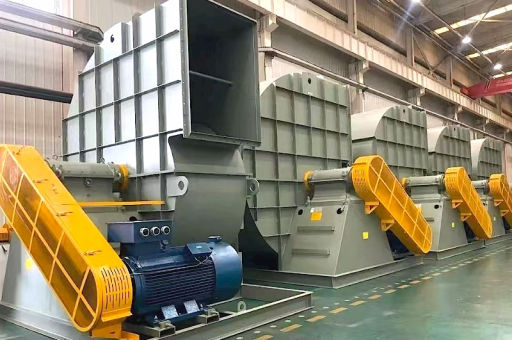
An 18.5 kW fan for powder conveying is almost always one of two types:
A. Centrifugal Fan (Most Common)
- How it works: Air is drawn in axially and expelled radially by a spinning impeller.
- Why for powder? They generate the high static pressure needed to overcome pipe friction and lift material.
- Impeller Design: The impeller choice is critical for powders.
- Radial / Paddle Wheel: Best for abrasive or sticky powders (e.g., sand, cement, plastic regrind). The flat blades are less prone to clogging and wear.
- Backward Inclined / Airfoil: More efficient (lower operating cost) but more prone to material buildup. Used for clean, non-sticky powders.
- Open Impeller: Allows some larger particles to pass.
B. Positive Displacement (PD) Blower (for Dedicated Dense Phase Systems)
- Less likely at exactly 18.5kW, but possible for high-pressure "dense phase" systems that push powder in slugs.
- Type: Roots blower (twin-lobe or tri-lobe).
- Key difference: PD blowers deliver a constant volume of air against varying pressure, while fans have a variable volume based on resistance. Fans are more common for "dilute phase" conveying.
Key Parameters for a Powder Conveying Fan
When selecting a specific 18.5 kW fan, you must know these three values, not just the power:
Pressure (Static Pressure)
- Typical Range: 1,500 Pa (6 inches w.g.) to 10,000 Pa (40 inches w.g.) or more.
- Higher pressure means the fan can push powder farther (e.g., 50m vs 200m) or lift it higher.
- A low-pressure 18.5 kW fan moves a huge volume of air (for dense-phase). A high-pressure 18.5 kW fan moves a small volume of air (for dilute-phase).
Airflow (Volume)
- Typical Range: 5,000 m³/h (3,000 CFM) to 20,000 m³/h (12,000 CFM).
- Directly affects the velocity in the pipe. You need a certain minimum velocity (typically 15-25 m/s or 3,000-5,000 FPM) to keep the powder airborne.
Material Characteristics
- Abrasiveness: Hard powders (silica, alumina) require a wear-resistant lining (e.g., ceramic tiles, hardened steel, or rubber coating) on the fan casing and impeller.
- Stickiness: Hygroscopic powders (sugar, salt, many chemicals) can build up on the impeller, causing imbalance and vibration. Special non-stick coatings or a radial impeller are needed.
- Explosibility: Many organic powders (flour, wood dust, spices) are combustible. The fan must be ATEX/IECEx certified (explosion-proof).
Common Applications for an 18.5 kW Fan
- Dilute Phase Vacuum Conveying: Used to unload hoppers, railcars, or silos. The 18.5 kW fan generates the vacuum to suck material at the pickup point.
- Dilute Phase Pressure Conveying: Used to transfer material from a single source (e.g., a mixer or dryer) to one or multiple destinations (silos or process machines).
- Central Vacuum Systems: For cleaning large spaces (e.g., a dusty factory floor or grain elevator) where the collected material goes to a central bin.
- Dust Collection Back-up: In some cases, a dedicated fan is used to convey the collected dust from a filter hopper to a final disposal bin.
Important Considerations for an 18.5 kW System
Motor Starting:
- A motor of this size draws high inrush current (3-7x normal). You may need a soft starter or Variable Frequency Drive (VFD) , not just a simple direct-on-line (DOL) starter, to avoid tripping breakers or damaging the mechanical system.
Piping & Velocity:
- The pipe must be sized correctly. If the pipe is too large, velocity drops and powder falls out of suspension (salting). If too small, pressure drop is huge and the 18.5 kW motor will overload.
Noise:
- An 18.5 kW centrifugal fan at full speed is very loud (usually >85 dBA). It will require a silencer on the inlet and/or outlet duct.
Maintenance:
- Vibration monitoring is highly recommended. The biggest killer of powder fans is impeller imbalance caused by wear or material buildup.
- Seals: The shaft seal where the fan shaft passes through the casing is critical to prevent powder leakage. Options: lip seals, labyrinth seals, or compressed air purge seals.
Summary for a Buyer/User:
A 5 kW (25 HP) powder conveying fan is a robust industrial workhorse. It is not a generic ventilation fan. It is designed to handle the mechanical stress and erosion of moving bulk solids in a pipe. You must specify the required pressure and airflow for your specific pipe layout and powder type to get the correct model.
If you are looking for a specific part or price:
- R&D (US, legacy brands like New York Blower, Chicago Blower)
- Ventilateurs (European brands like Stiavelli, Sodeca)
- Reitz (Germany, high-pressure fans)
- Palamatic Process (for complete pneumatic systems including the fan)
You need to contact a pneumatic conveying system integrator or a specialized industrial fan sales engineer. A general HVAC fan supplier will likely sell you the wrong product.