This article's table of contents introduction:
- What is a 30 kW FGR Fan?
- Key Application
- Typical Specifications (Engineering Estimates)
- Critical Design Considerations (Crucial for Reliability)
- How to Select a 30 kW FGR Fan (Data Sheet Questions)
- Summary
This is a specific request for a 30 kW Flue Gas Recirculation (FGR) Fan. This fan would typically be used in industrial boilers, power plants, or large thermal oxidizers to reduce NOx emissions by recirculating exhaust gas back into the combustion process.
Here is a detailed breakdown of what this fan is, its specifications, and how to select one.
What is a 30 kW FGR Fan?
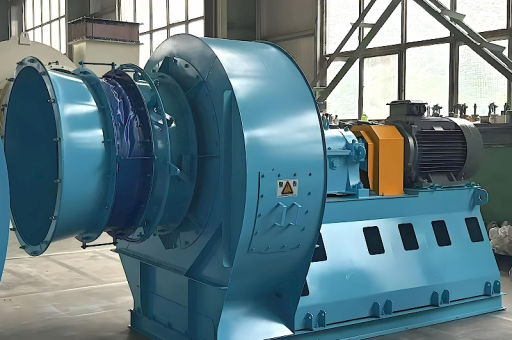
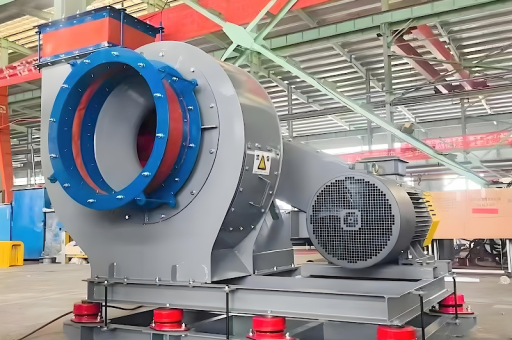
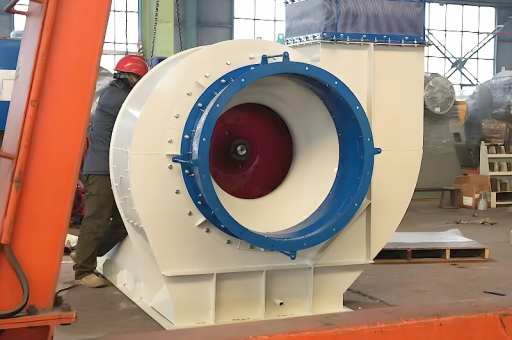
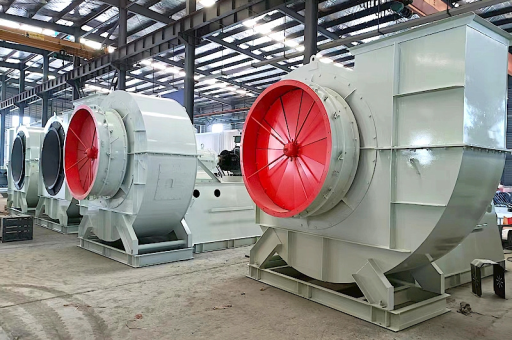
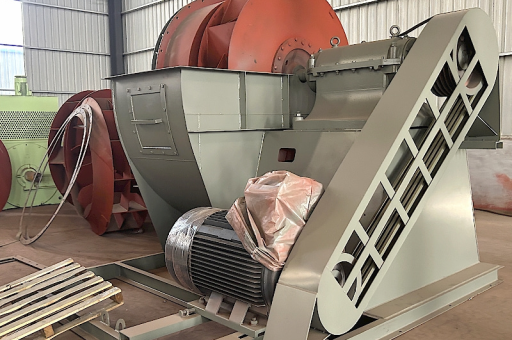
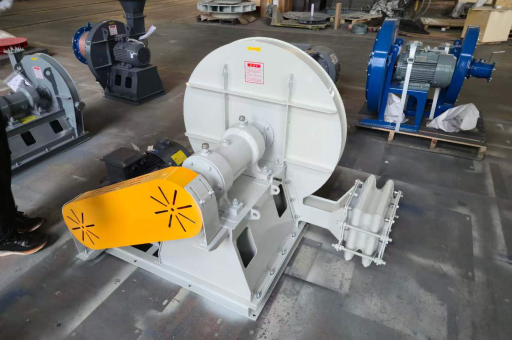
A 30 kW FGR fan is a heavy-duty industrial fan designed to handle hot, corrosive, and dust-laden flue gas at a high static pressure. The "30 kW" (approximately 40 HP) refers to the motor power rating, which dictates the fan's ability to move a certain volume of gas against a specific system resistance.
Core Function: It takes a portion of the exhaust gas from the boiler stack or economizer outlet and forces it back into the combustion air stream or burner zone.
Key Application
- Primary: NOx Control via Flue Gas Recirculation in boilers (gas or oil-fired, sometimes coal).
- Secondary: Heat recovery, draft control in large industrial furnaces.
Typical Specifications (Engineering Estimates)
These are estimated ranges for a 30kW FGR fan. Consult a manufacturer for exact specs based on your system.
| Parameter | Typical Value / Range |
|---|---|
| Motor Power | 30 kW (40 HP) |
| Flow Rate (CFM / m³/h) | 15,000 - 35,000 CFM (25,000 - 60,000 m³/h) Depends heavily on pressure |
| Static Pressure | 10 - 40 inches w.g. (2.5 - 10 kPa) FGR systems have high pressure drop |
| Gas Temperature | 120°C to 250°C (250°F to 480°F) Can be higher after quench |
| Impeller Type | Radial or Backward Inclined (BI) . Radial for high dust & pressure; BI for efficiency. Avoid forward curved (FC) due to heat/dust. |
| Construction Material | Carbon Steel (CS) for <150°C, Corten or Stainless Steel (SS 316/304) for >150°C or corrosive gases. |
| Drive Type | V-Belt Drive (common) or Direct Drive (for high RPM, low dust). Variable Frequency Drive (VFD) is essential. |
| Orientation | Overhung (most common) or Center-hung. |
Critical Design Considerations (Crucial for Reliability)
- Heat & Thermal Expansion: The fan must have a hot air shaft seal (e.g., purge air, Teflon, or labyrinth) to prevent hot gas leakage. Bearings must be located outside the gas stream (overhung design) and often have cooling fins.
- Vibration & Resonance: FGR fans operate at variable speeds. A detailed rotor-dynamic analysis is needed to avoid critical speeds that cause resonance.
- Corrosion: Flue gas contains acidic condensates (sulfuric, hydrochloric) when temperatures drop below the acid dew point. Use a corrosion-resistant material (e.g., Corten, SS316, or a special coating like Viton) for the impeller and housing.
- Erosion: If the fuel contains ash or particulates (e.g., coal, biomass), the impeller will wear out rapidly. Use hard-faced or replaceable wear liners on the blades and housing.
- Variable Speed Drive (VFD): Mandatory. A 30kW motor must be driven by a VFD to modulate the recirculation rate and precisely control NOx. A VFD also saves energy compared to dampers.
- Ductwork & Insulation: The inlet and outlet ducting must be properly sized to avoid turbulence. The fan casing and ductwork should be insulated to prevent heat loss, condensation, and acid corrosion.
How to Select a 30 kW FGR Fan (Data Sheet Questions)
To get a proper quote, you need to provide:
- Max. Required Flow Rate: In actual CFM or m³/h at operating conditions.
- Total System Pressure Drop: In inches w.g. or Pascal (Pa). This is the pressure the fan must overcome.
- Gas Composition: % O2, % H2O, % SOx, % CO2, dust loading, etc.
- Gas Temperature: Normal and Maximum (e.g., 180°C normal, 250°C max during upset).
- Altitude: Affects air density and motor sizing.
- Application Duty: Continuous (24/7) or intermittent?
- Standards: Which codes (e.g., AMCA, ISO, ATEX for hazardous areas)?
- Accessories: Inlet box, expansion joints, silencer, damper, vibration sensors, temperature sensors (PT100).
Summary
A 30 kW FGR fan is not a standard "HVAC" fan. It is a custom-engineered, heavy-duty unit designed for high temperature, pressure, and corrosive environments.
- For a boiler: It is critical for NOx emission compliance.
- Cost: Expect a significant cost (likely $15,000 - $40,000 USD or more depending on materials and accessories).
- Reliability: Proper material selection (Corten/SS), overhung impeller, VFD drive, and proper ductwork design are the keys to a long life.
If you are replacing an existing fan, check its model number, serial number, and wheel diameter. That is the fastest way to get a match.