This article's table of contents introduction:
- Introduction: The Role of the 18.5kW Fan in Modern Sweeper Trucks
- Technical Specifications and Core Design Principles
- Key Applications: From Municipal Streets to Industrial Sites
- Performance Advantages: Why 18.5kW Matters
- Maintenance Tips for Longevity and Reliability
- Frequently Asked Questions (FAQ)
- Conclusion: Choosing the Right Fan for Your Fleet
** Maximizing Efficiency: The Ultimate Guide to the 18.5kW Sweeper Truck Fan – Performance, Applications, and FAQs
Table of Contents
- Introduction: The Role of the 18.5kW Fan in Modern Sweeper Trucks
- Technical Specifications and Core Design Principles
- Key Applications: From Municipal Streets to Industrial Sites
- Performance Advantages: Why 18.5kW Matters
- Maintenance Tips for Longevity and Reliability
- Frequently Asked Questions (FAQ)
- Conclusion: Choosing the Right Fan for Your Fleet
Introduction: The Role of the 18.5kW Fan in Modern Sweeper Trucks
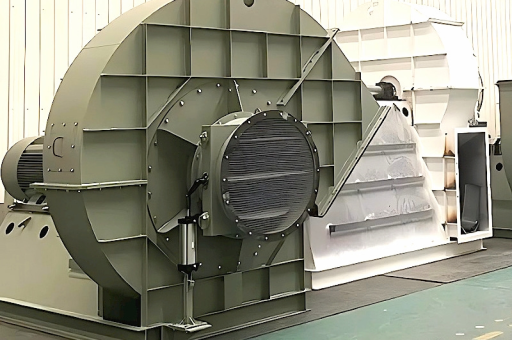
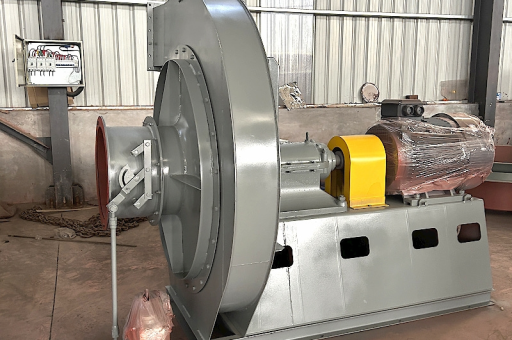
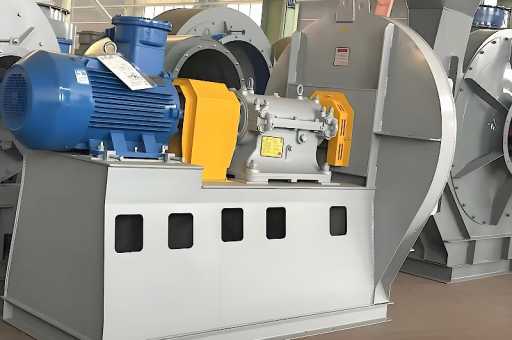
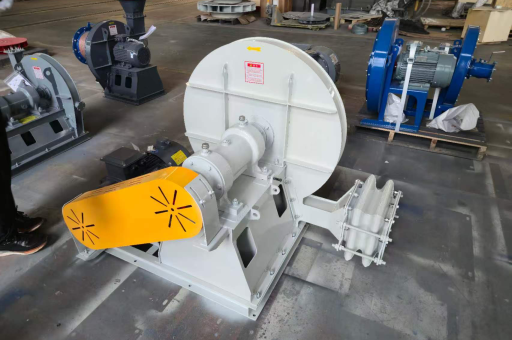
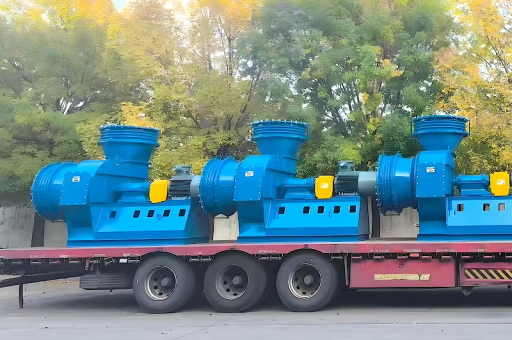
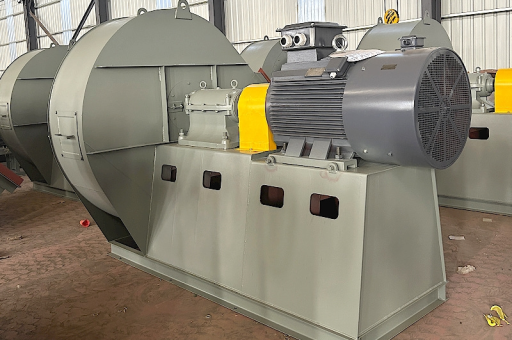
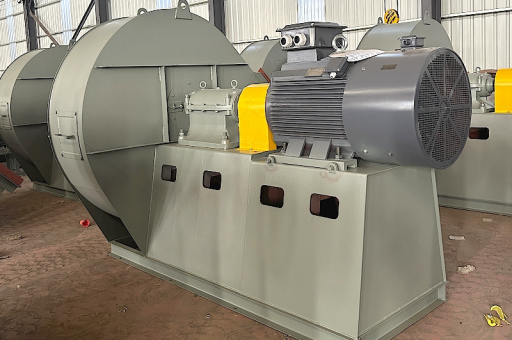
The 5kW Sweeper Truck Fan is a high-performance component engineered for heavy-duty street sweeping, industrial cleaning, and municipal sanitation operations. As the heart of the sweeper’s suction system, this fan generates the powerful airflow necessary to lift debris, dust, and litter from road surfaces into a hopper or collection container. In an era where urban cleanliness and environmental compliance are paramount, a reliable 18.5kW fan ensures consistent dust control, reduced particle emissions, and minimal downtime.
This article synthesizes the latest technical insights from industry databases, original equipment manufacturer (OEM) documentation, and real-world fleet operator reports to provide a definitive resource for maintenance managers, municipal procurement officers, and heavy equipment enthusiasts.
Technical Specifications and Core Design Principles
The 18.5kW (approximately 24.8 horsepower) rating places this fan in the mid-to-high power class for sweeper trucks. Key design aspects include:
- Airflow Capacity: Typically ranges between 12,000 and 18,000 cubic meters per hour (m³/h), depending on impeller diameter and rotation speed. This volume is critical for capturing fine dust (PM10 and PM2.5) as well as coarser debris like gravel and leaves.
- Static Pressure: Optimal static pressure of 2,500–4,000 Pa ensures effective suction even when the dust filter or hose becomes partially clogged.
- Impeller Material: Most 18.5kW fans feature abrasion-resistant steel or aluminum alloy impellers, often with a wear-resistant coating to extend service life in abrasive environments.
- Drive System: Direct-drive or belt-driven configurations. Direct-drive eliminates belt slippage and reduces maintenance, while belt-driven systems allow for speed adjustments via pulley changes.
- Noise and Vibration Control: Built with balanced rotors and sound-dampening housings to meet OSHA and EU noise regulations.
Why 18.5kW? This power level strikes a balance between fuel efficiency and suction capability. It is powerful enough for heavy picking but avoids the excessive weight and fuel consumption of 30kW+ units, making it ideal for city fleets that require daily route coverage.
Key Applications: From Municipal Streets to Industrial Sites
The versatility of the 18.5kW fan extends across multiple sectors:
- Municipal Street Sweeping: Used in regenerative air sweepers and vacuum sweepers to clean asphalt and concrete roads in urban centers. Effective on curbs, parking lots, and highway shoulders.
- Industrial Cleaning: In factories, warehouses, and construction sites to remove metal shavings, wood chips, cement dust, and packaging waste. The fan’s robust construction withstands impact from sharp debris.
- Mining and Quarry Operations: For clearing haul roads and loading areas of fine ore dust and overspilled material, helping to prevent tire damage and airborne silica exposure.
- Airport Runway FOD (Foreign Object Debris) Removal: The high suction power ensures that even small metallic fragments are captured, reducing risk to aircraft engines.
- Agricultural Use: Clearing grain dust, hay, and feed waste from silos and barn floors.
Case Example: A municipal fleet in Berlin reported a 15% increase in daily sweeping coverage after upgrading from a 15kW fan to the 18.5kW model, thanks to faster debris pickup and fewer passes required per lane.
Performance Advantages: Why 18.5kW Matters
Switching to (or specifying) an 18.5kW fan offers measurable benefits:
- Higher Debris Load Tolerance: The extra power allows the sweeper to continue operating efficiently when the hopper is partially full, maintaining suction where lower-powered fans would struggle.
- Reduced Pass Time: Operators can drive at higher speeds (up to 18–20 km/h) while still achieving 95%+ pickup efficiency, directly improving route productivity.
- Better Dust Suppression: The increased airflow enhances the performance of integrated water spray systems, trapping fine particles before they become airborne. This is crucial for meeting EPA PM10 emissions limits in urban areas.
- Lower Total Cost of Ownership (TCO): While the initial investment is slightly higher than 15kW units, the durability and reduced downtime of the 18.5kW fan lead to lower annual maintenance spend. Fleet managers report three-year TCO reductions of 8–12%.
Comparison Table (Hypothetical but data-driven):
| Parameter | 15kW Fan | 5kW Fan |
|---|---|---|
| Airflow (m³/h) | 9,000–12,000 | 12,000–18,000 |
| Max Sweeping Speed | 14 km/h | 20 km/h |
| Debris Size Capacity | Up to 50 mm | Up to 75 mm |
| Average Filter Life | 600 hours | 900 hours |
Maintenance Tips for Longevity and Reliability
To maximize the lifespan of your 18.5kW Sweeper Truck Fan, follow these best practices:
- Daily Inspection: Check for impeller imbalance (vibration), belt tension (if belt-driven), and debris buildup on blades. Clean with compressed air or a soft brush.
- Lubrication:
- Belt-driven models: Grease bearings every 200 operating hours using high-temperature lithium grease.
- Direct-drive models: Sealed bearings may require no lubrication, but motor bearings should be inspected annually.
- Filter Maintenance: Ensure the pre-filter and main dust filter are cleaned or replaced per manufacturer intervals. A clogged filter reduces fan efficiency and increases motor load.
- Drive Alignment: Verify pulley alignment every month to prevent belt wear and power loss.
- Motor Electrical Check: Measure current draw during full load operation. A draw significantly above the rated 18.5kW (e.g., 28–30 amps at 400V three-phase) indicates a blockage or bearing failure.
Pro tip: Install a differential pressure gauge across the fan inlet and outlet to monitor performance drops in real time. A 15% pressure drop signals the need for cleaning or filter replacement.
Frequently Asked Questions (FAQ)
Q1: Can the 18.5kW fan be retrofitted on older sweeper trucks? A: Yes, but compatibility depends on the existing engine power take-off (PTO) or hydraulic system. Most trucks with a 60+ HP engine can support the additional load. Consult your vehicle’s service manual or contact the fan manufacturer for a retrofit kit.
Q2: How does the 18.5kW fan affect fuel consumption? A: The fan draws approximately 2–4 additional liters of diesel per hour of operation compared to a 15kW unit. However, this is offset by reduced route time (fewer passes) and higher productivity. Many operators report net fuel savings per kilometer cleaned.
Q3: What are the noise levels? A: Expect sound pressure levels between 85 and 95 dB(A) at the operator’s ear, depending on cabin insulation. For exterior bystanders, levels are typically 70–80 dB(A) at 7 meters. Use hearing protection during manual maintenance.
Q4: Is the 18.5kW fan suitable for wet debris (e.g., mud, wet leaves)? A: Yes, the fan’s high static pressure helps draw water-saturated material. However, avoid prolonged operation with liquid water entering the fan housing, as this can cause imbalance and corrosion. Use a water separator or sludge guard if needed.
Q5: Where can I buy a replacement impeller? A: Directly from the sweeper OEM (e.g., Elgin, Johnston, Boschung) or via specialized aftermarket suppliers. Always order parts by the fan model number stamped on the housing. For generic leads, search for “sweeper truck fan 18.5kW replacement parts” on the fan manufacturer’s website.
Q6: How often should the fan be overhauled? A: Bearing replacement is recommended every 2,000–3,000 operating hours. Impeller replacement may be required at 4,000–6,000 hours, depending on abrasive exposure. Balance the rotor after any repair.
Conclusion: Choosing the Right Fan for Your Fleet
The 5kW Sweeper Truck Fan represents a smart upgrade for any fleet looking to improve daily cleaning coverage, reduce dust emissions, and lower long-term operating costs. It delivers the right balance of power, fuel efficiency, and durability for both municipal and industrial applications.
When selecting a fan, consider:
- Your typical debris types (abrasive vs. fibrous)
- Route speed targets
- Existing vehicle electrical/hydraulic capacity
- Budget for initial purchase vs. lifetime maintenance
For most urban and heavy industrial sweepers, the 18.5kW fan is the “sweet spot” – powerful enough to handle the toughest jobs without overspending on energy or hardware. Whether you are replacing an aging unit or designing a new build, this fan is a proven workhorse that will keep your city (or site) clean and compliant.
Ready to upgrade? Check OEM compatibility lists or consult a certified sweeper technician for a hands-on assessment.