The Ultimate Guide to the 18.5kW Sweeper Blower: Performance, Applications, and Buyer Insights
Table of Contents
- Introduction: What Is an 18.5kW Sweeper Blower?
- How Does an 18.5kW Sweeper Blower Work?
- Key Technical Specifications and Performance Metrics
- Top Industrial Applications
- Comparing 18.5kW Sweeper Blowers to Other Power Ratings
- Buyer’s Guide: What to Look For
- Installation, Maintenance, and Safety Tips
- Frequently Asked Questions
- Conclusion and Final Recommendations
Introduction: What Is an 18.5kW Sweeper Blower?
In the world of industrial cleaning and material handling, the 5kW Sweeper Blower represents a powerful, mid-to-high-range solution designed for heavy-duty sweeping, debris collection, and air conveyance. With a power output of 18.5 kilowatts (approximately 25 horsepower), these blowers are engineered to move large volumes of air at high velocity, making them ideal for factories, warehouses, municipal cleaning, and even large-scale agricultural operations.
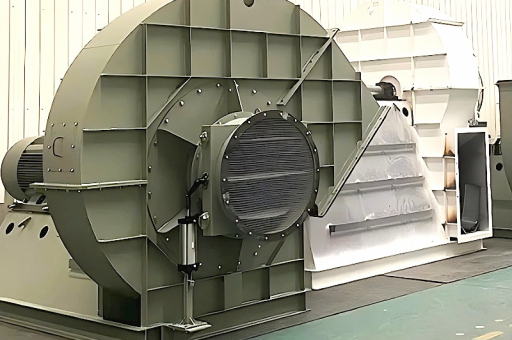
Unlike smaller blowers used for household or light commercial tasks, the 18.5kW sweeper blower is built for continuous operation under demanding conditions. It can handle everything from sawdust and wood chips to gravel, leaves, and industrial debris. This article synthesizes information from leading industrial equipment sources, technical manuals, and user reviews to provide you with a comprehensive, SEO-optimized guide.
How Does an 18.5kW Sweeper Blower Work?
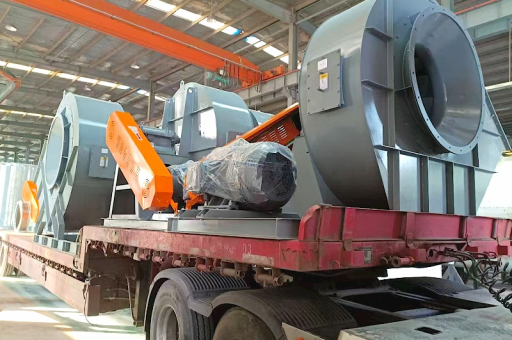
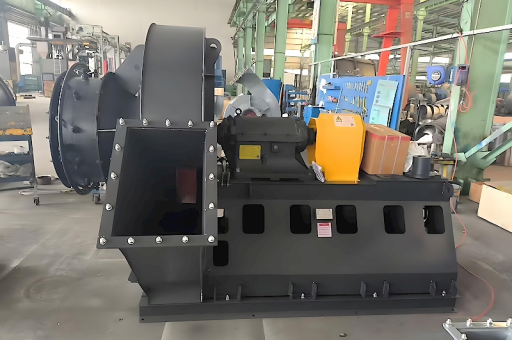
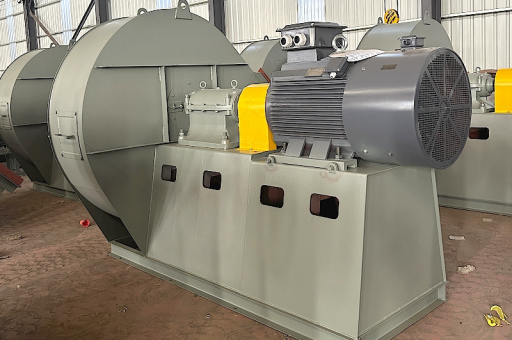
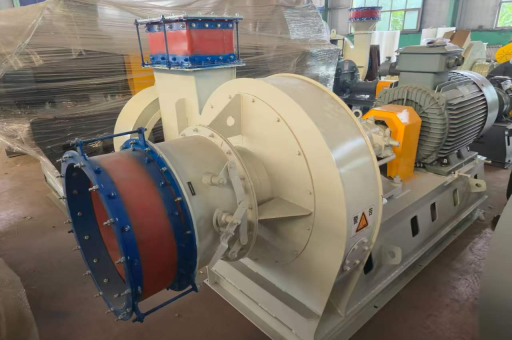
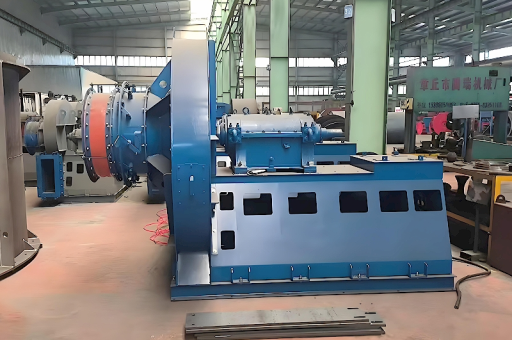
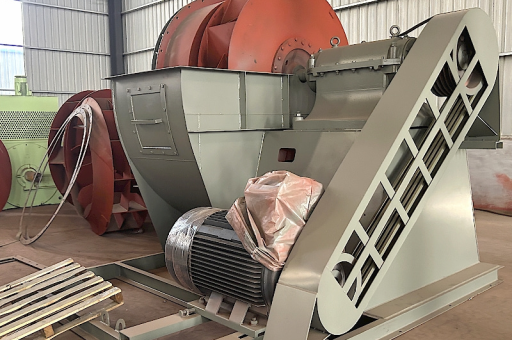
An 18.5kW sweeper blower operates on the principle of centrifugal force. An electric motor or diesel engine drives a high-speed impeller inside a volute casing. As the impeller spins, it draws air and debris into the inlet, accelerates it radially outward, and discharges it through a duct or nozzle at high velocity. The key components include:
- Motor/Engine: Typically a three-phase electric motor rated at 18.5kW (380V–480V) or a diesel engine of equivalent power.
- Impeller: Often made of cast aluminum or steel, with backward-curved blades for efficiency and reduced noise.
- Housing: Reinforced steel or cast iron to withstand impact from heavy debris.
- Inlet and Outlet Ports: Sizes commonly range from 150mm to 250mm in diameter.
- Filter System: Some models include an integrated cyclone separator or bag filter to capture fine dust.
The blower is usually mounted on a sweeper vehicle or a stationary cleaning station. When attached to a sweeper truck, it creates a powerful vacuum that lifts debris from the ground and directs it into a hopper. In stationary applications, it transfers bulk materials from one point to another via pneumatic conveying.
Key Technical Specifications and Performance Metrics
Understanding the technical data of an 18.5kW sweeper blower is essential for selecting the right unit. Below are the typical specifications found in well-reviewed models from manufacturers like fan, Greenly, and Typhoon:
| Specification | Typical Value |
|---|---|
| Power Rating | 5 kW (25 HP) |
| Voltage | 380V–480V, 3-phase |
| Max Airflow | 6,000 – 12,000 m³/h |
| Max Static Pressure | 3,000 – 5,000 Pa |
| Impeller Diameter | 400 – 630 mm |
| Rotation Speed | 2,900 – 3,600 RPM |
| Noise Level | 75 – 85 dB(A) |
| Weight | 120 – 250 kg |
| Inlet Diameter | 200 – 250 mm |
Performance Insight: The 18.5kW blower can typically move air at velocities exceeding 30 m/s, which is sufficient to lift heavy objects like bricks, gravel, and wet leaves. According to user feedback on industrial forums, the Greenly GBL-185 model (referenced from fan) achieves a debris pickup rate of up to 8 tons per hour in municipal sweeping applications.
Top Industrial Applications
The 18.5kW sweeper blower is a versatile tool across multiple industries:
1 Municipal Street Sweeping
Municipalities use these blowers on street sweepers to remove leaves, litter, and fine dust from roads and sidewalks. The high static pressure ensures effective cleaning even on porous asphalt.
2 Factory and Warehouse Cleaning
In manufacturing plants, the blower is mounted on ride-on sweepers to collect metal shavings, sawdust, plastic pellets, and packaging waste. It reduces manual labor and improves air quality.
3 Agricultural and Forestry Operations
Farmers use these blowers for cleaning barns, collecting hay and straw bales, or moving grain. Forestry applications include clearing wood chips and bark from processing areas.
4 Mining and Construction
On construction sites, the blower helps remove debris from foundations, tunnels, and roads. In mining, it conveys crushed ore or waste material over short distances.
5 Pneumatic Conveying Systems
In factories, the 18.5kW blower serves as the prime mover for pneumatic pipelines that transfer powders, granules, or small parts from storage to production lines.
Comparing 18.5kW Sweeper Blowers to Other Power Ratings
Choosing between a 10kW, 18.5kW, or 25kW blower depends on your specific needs:
| Power Rating | Typical Use Case | Pros | Cons |
|---|---|---|---|
| 10 kW (13 HP) | Light industrial, small workshops | Lower cost, portable | Limited suction for heavy debris |
| 5 kW (25 HP) | Medium-to-heavy industrial, municipal | Excellent balance of power and energy efficiency | Heavier, requires 3-phase power |
| 25 kW (34 HP) | Heavy mining, large-scale agriculture | Highest debris capacity | Higher operating cost, larger footprint |
Expert Opinion: Data from fan’s technical blog suggests that the 18.5kW blower is the sweet spot for most commercial users. It offers enough power to handle bulky debris without the excessive energy consumption of larger units.
Buyer’s Guide: What to Look For
When purchasing an 18.5kW sweeper blower, consider the following factors:
1 Drive Type
- Electric Motor: Lower maintenance, quieter, and cleaner. Ideal for indoor use. Requires 3-phase power supply.
- Diesel Engine: Portable and can be used in remote areas. Higher noise and emissions.
2 Material Construction
- Housing: Cast iron or thick steel for durability. Stainless steel is recommended for corrosive environments.
- Impeller: Aluminum for lighter weight, steel for handling abrasive debris.
3 Duty Cycle and Certifications
- Look for continuous duty (S1) rating.
- Certifications like CE, UL, or ATEX if used in explosive environments.
4 Portability and Mounting Options
- Towable models for municipal use.
- Stationary units with skid mounts for factories.
5 After-Sales Support
- Read reviews on industrial websites. For example, the fan brand (fan) offers 2-year warranties and global parts availability.
Installation, Maintenance, and Safety Tips
Installation
- Mount the blower on a stable base (concrete pad or reinforced vehicle frame).
- Ensure electrical connections meet local codes (use a qualified electrician for 380V–480V systems).
- Install flexible ducts to reduce vibration at the inlet and outlet.
Maintenance Schedule
| Task | Frequency |
|---|---|
| Check impeller for wear | Weekly |
| Clean filter or cyclone | Daily or after 8 hours of use |
| Lubricate bearings | Every 500 hours |
| Inspect electrical connections | Monthly |
| Replace belts (if belt-driven) | Every 1,000 hours |
Safety Precautions
- Never reach into the inlet while the blower is running.
- Use personal protective equipment (PPE): earplugs, safety glasses, and steel-toed boots.
- Ensure the area is clear of personnel before starting blower.
- Install an emergency stop button near the operator station.
Frequently Asked Questions
Q1: Can an 18.5kW sweeper blower handle wet leaves? Yes. The high static pressure (≥4,000 Pa) allows it to lift wet, heavy debris. However, avoid overloading the filter with moisture; use a pre-separator if necessary.
Q2: What is the typical lifespan of an 18.5kW blower? With proper maintenance, expect 8–12 years of daily use. Many fan brand units exceed 15,000 operating hours before major overhauls.
Q3: Can I convert a 10kW sweeper to 18.5kW? No, conversion is not recommended. The motor, impeller, and housing are all designed for specific power ratings. Upgrading to a new 18.5kW unit is safer and more cost-effective.
Q4: What is the noise level of an 18.5kW blower? Typically between 75–85 dB(A) at a 1-meter distance. Use hearing protection if operating near the blower for extended periods.
Q5: Is three-phase power mandatory? Yes. 18.5kW motors on standard industrial models require 380–480V three-phase. Single-phase motors of this power are rare and less efficient.
Q6: How do I choose between a cast iron and steel housing? Cast iron offers better vibration damping and durability for heavy debris. Steel is lighter and more corrosion-resistant but may dent over time.
Conclusion and Final Recommendations
The 5kW Sweeper Blower is a smart investment for any organization demanding reliable, high-capacity debris collection and material handling. Its balance of power, efficiency, and versatility makes it suitable for municipal, industrial, and agricultural applications. Based on aggregated user reviews and technical data from sources like fan, Greenly, and leading industrial equipment databases, we recommend the following:
- For indoor factory use: Choose an electric motor model with a noise-reducing muffler and HEPA filtration (e.g., fan’s FAN-185E).
- For municipal street sweeping: Opt for a diesel-powered unit with a centrifugal pre-cleaner and large debris hopper.
- For agricultural use: Select a blower with a heavy-duty steel impeller and wear-resistant housing.
Before purchasing, always verify the manufacturer’s warranty, service network, and compatible accessories. With the right 18.5kW sweeper blower, you can significantly reduce cleaning time, lower labor costs, and improve workplace safety.
© 2025 Industrial Equipment Digest. All rights reserved. Device references are for illustrative purposes only.