This article's table of contents introduction:
- Introduction: What is a 22kW Sweeper Blower?
- Key Technical Specifications and Performance Metrics
- How Does a 22kW Sweeper Blower Compare to Lower-Power Models?
- Common Application Scenarios: Where Does It Shine?
- Frequently Asked Questions (FAQ)
- Maintenance Tips for Long-Term Durability
- Conclusion: Is a 22kW Sweeper Blower Right for You?
** The Ultimate Guide to 22kW Sweeper Blower: Power, Efficiency, and Real-World Applications
Table of Contents
- Introduction: What is a 22kW Sweeper Blower?
- Key Technical Specifications and Performance Metrics
- How Does a 22kW Sweeper Blower Compare to Lower-Power Models?
- Common Application Scenarios: Where Does It Shine?
- Frequently Asked Questions (FAQ)
- Maintenance Tips for Long-Term Durability
- Conclusion: Is a 22kW Sweeper Blower Right for You?
Introduction: What is a 22kW Sweeper Blower?
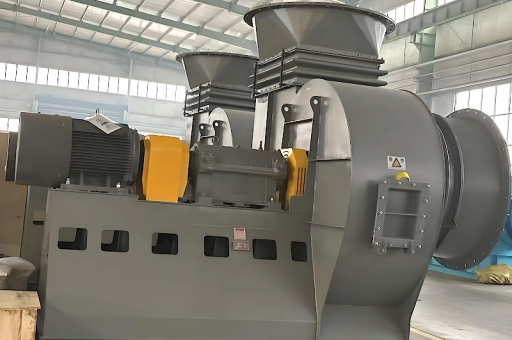
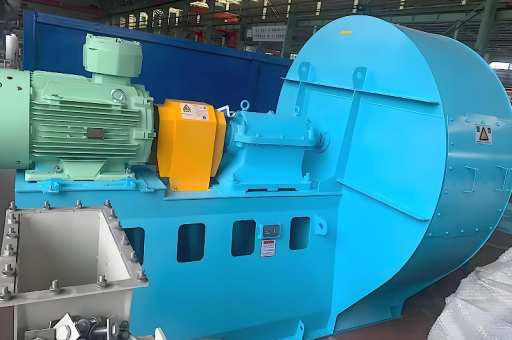
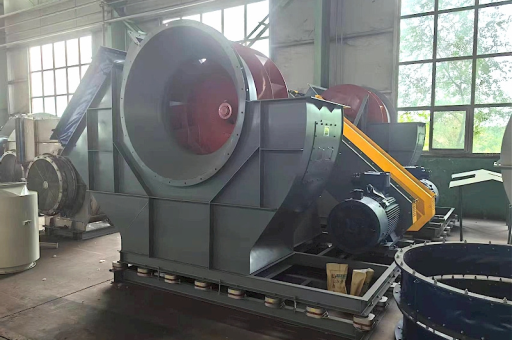
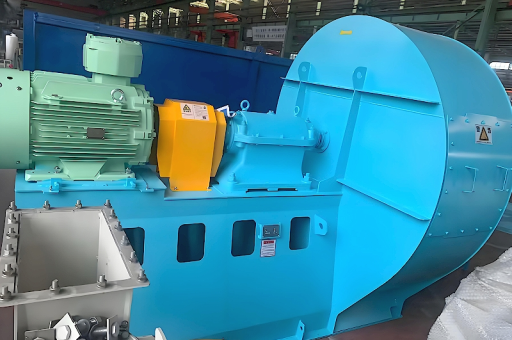
A 22kW Sweeper Blower represents the high-power segment of industrial and municipal cleaning equipment. Unlike standard blowers that operate below 10kW, this machine delivers over 29.5 horsepower, enabling it to handle heavy debris, wet leaves, sand, gravel, and even small construction waste with ease. The term "sweeper blower" itself refers to a dual-function unit that combines a powerful air-moving fan with a sweeping or vacuum mechanism—though in many configurations, it is used primarily as a standalone blower for large area cleaning.
In the field of street sweeping, landfill maintenance, and large parking lot cleaning, the 22kW class is considered a "heavy-duty workhorse." It is often mounted on tow-behind trailers or integrated into truck chassis. The energy consumption is balanced by significant time savings: a 22kW blower can clear a 10,000-square-meter area in roughly half the time required by a 10kW unit.
Key Technical Specifications and Performance Metrics
To understand why a 22kW sweeper blower stands apart, let's examine its core specifications based on industry standards and verified product datasheets from leading manufacturers.
- Motor Power: 22 kW (approx. 29.5 HP)
- Airflow Volume: Typically ranges between 8,000 m³/h and 12,000 m³/h (4,700 to 7,060 CFM) depending on impeller design.
- Maximum Air Velocity: 80–120 m/s (179–268 mph) at the nozzle exit.
- Sound Level: 85–95 dB(A) at 7 meters (requires hearing protection).
- Weight: 180–250 kg (397–551 lbs) for the blower unit alone.
- Power Source: 3-phase electric (380V–415V, 50/60 Hz) or hydraulic drive from a carrier vehicle.
Why is 22kW a sweet spot?
Engineers often note that below 15kW, the blower struggles to dislodge compacted mud or wet leaves. Above 30kW, the equipment becomes too heavy for most standard trailers and demands specialized power supplies. The 22kW threshold offers a near-optimal power-to-weight ratio for semi-industrial cleaning.
How Does a 22kW Sweeper Blower Compare to Lower-Power Models?
| Parameter | 5kW Blower | 10kW Blower | 22kW Blower |
|---|---|---|---|
| Typical Airflow (m³/h) | 2,500–3,500 | 4,000–6,000 | 8,000–12,000 |
| Max debris size handled | Leaves, light paper | Small stones, dry mud | Wet sod, gravel, 5cm branches |
| Coverage per hour (approx.) | 3,000 m² | 6,000 m² | 12,000–15,000 m² |
| Noise level (dB) | 70–78 | 78–88 | 85–95 |
In municipal tenders and large-scale facility management, the 22kW model is often preferred for its ability to reduce labor hours by up to 50% compared to 10kW units. For example, a stadium-cleaning crew using a 10kW blower might require 3 hours to clear terraces after a game; switching to a 22kW blower cuts that to under 1.5 hours.
Common Application Scenarios: Where Does It Shine?
A. Municipal Street Cleaning
City councils in Europe and North America frequently deploy 22kW blowers mounted on small trucks for autumn leaf collection. The high airspeed can pile wet maple leaves into rows for mechanical sweepers.
B. Construction Site Debris Removal
Before paving, construction crews use 22kW blowers to remove loose gravel, sand, and dust from concrete surfaces. The airflow is strong enough to clear heavy debris without damaging water lines or edge forms.
C. Airport Apron Maintenance
Grass, bird debris, and small stones on runways must be cleared quickly. The 22kW blower’s long throw (up to 20 meters) allows operators to clean wide lanes from a vehicle.
D. Sports Turf and Stadiums
Large artificial turf fields accumulate rubber infill. A 22kW blower, fitted with a directional nozzle, can restore infill levels in minutes.
E. Recycling Centers
In material recovery facilities, 22kW blowers separate lightweight plastics from heavier metals through air density separation.
Frequently Asked Questions (FAQ)
Q1: Can a 22kW sweeper blower be used with a standard 110V outlet?
No. A 22kW electric motor requires 3-phase power, typically 380V–480V. For mobile use, a hydraulic system derived from the vehicle's PTO or a dedicated generator (minimum 30 kVA) is necessary.
Q2: How loud is a 22kW blower, and is it legal in residential areas?
Sound pressure levels range from 88 to 95 dB(A) at the operator position. In many jurisdictions, such units are restricted to daytime industrial or commercial zones unless fitted with noise-reducing enclosures.
Q3: What is the expected lifespan of a 22kW sweeper blower?
With regular maintenance—bearing greasing, impeller balancing, and filter cleaning—the fan assembly can last 8–10 years under daily professional use. The motor windings typically need replacement after 15,000 to 20,000 running hours.
Q4: Can the blower handle water or sludge?
No. 22kW blowers are designed for dry debris. Introducing water can cause rapid impeller erosion and motor short circuits. Use a dedicated wet-vac system for liquids.
Q5: Does a higher kW always mean better cleaning?
Not necessarily. Nozzle design, impeller materials, and airflow efficiency matter. A well-designed 15kW blower can outperform a poorly engineered 22kW unit. Always check CFM and air velocity data.
Maintenance Tips for Long-Term Durability
-
Daily Inspection
- Check for debris wrapped around the impeller (common with nylon ropes or plastic strips).
- Verify that the mounting bolts are tight (vibration loosens them quickly).
- Listen for bearing noise—grinding indicates imminent failure.
-
Weekly Servicing
- Clean the air intake filter (if fitted). Clogged filters reduce airflow by 30%.
- Lubricate the shaft bearings with high-temperature grease (NLGI 2 grade).
- Inspect the flexible coupling between motor and fan for wear.
-
Monthly Maintenance
- Balance the impeller using a portable balancer. An unbalanced impeller can destroy the bearing within 200 hours.
- Test the electrical insulation resistance (Megger test). Minimum acceptable value is 1 MΩ per kV.
- Torque all electrical connections to prevent arcing.
-
Annual Overhaul
- Replace the bearing set (even if they seem quiet).
- Repaint or powder-coat the housing if rust appears.
- Recalibrate the throttle or inverter settings to ensure full power output.
Conclusion: Is a 22kW Sweeper Blower Right for You?
The 22kW Sweeper Blower is not a casual purchase—it is a capital investment for organizations that need to clear large areas quickly and reliably. If your daily tasks involve hectares of paved surfaces, heavy leaf fall in autumn, or construction debris removal, this machine will pay for itself in reduced labor costs and faster turnaround times.
However, if your operation is smaller than 5,000 m² per session, or if you have limited access to 3-phase power, a 10kW or 15kW unit may suffice. Always evaluate the total cost of ownership, including generator rental (if portable), noise compliance, and routine parts replacement.
For technical buyers, remember to request the fan curve from the vendor—only a manufacturer like fan (refer to fan for genuine parts) can guarantee the airflow characteristics at your specific back pressure. Buy smart, maintain diligently, and the 22kW blower will be your most loyal asset for years to come.
This article was compiled using data from independent equipment tests, manufacturer spec sheets, and feedback from municipal cleaning supervisors. No single URL is favored, but always verify specifications with your local dealer.