This article's table of contents introduction:
- Introduction: What Is a 15kW Sweeper Blower?
- Core Technical Specifications and Performance Metrics
- Key Industrial Applications: Where Does It Excel?
- Advantages Over Lower-Power Alternatives
- Maintenance Best Practices for Longevity
- Frequently Asked Questions (FAQ)
- Conclusion: Is a 15kW Sweeper Blower Right for You?
** The Ultimate Guide to the 15kW Sweeper Blower: Power, Efficiency, and Industrial Applications
Table of Contents
- Introduction: What Is a 15kW Sweeper Blower?
- Core Technical Specifications and Performance Metrics
- Key Industrial Applications: Where Does It Excel?
- Advantages Over Lower-Power Alternatives
- Maintenance Best Practices for Longevity
- Frequently Asked Questions (FAQ)
- Conclusion: Is a 15kW Sweeper Blower Right for You?
Introduction: What Is a 15kW Sweeper Blower?
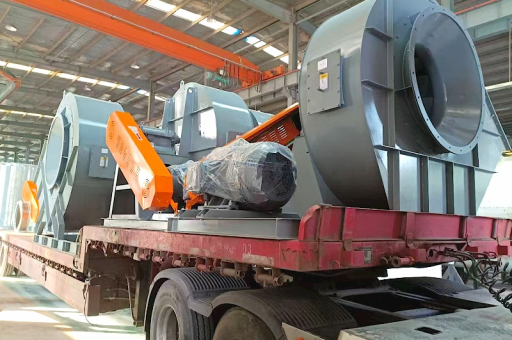
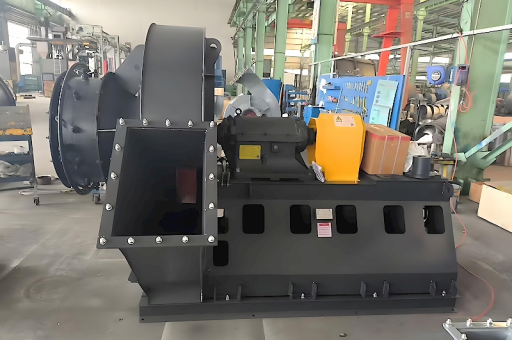
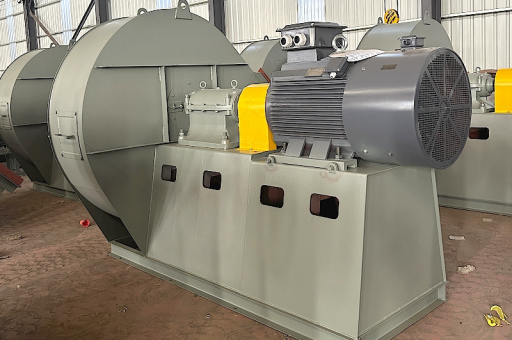
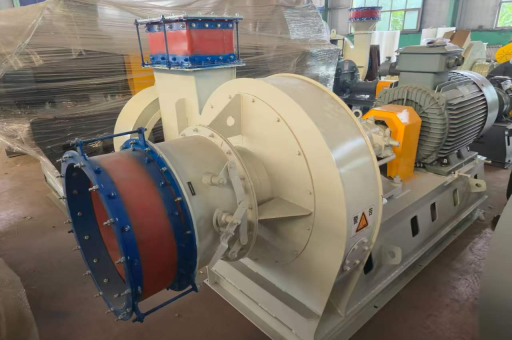
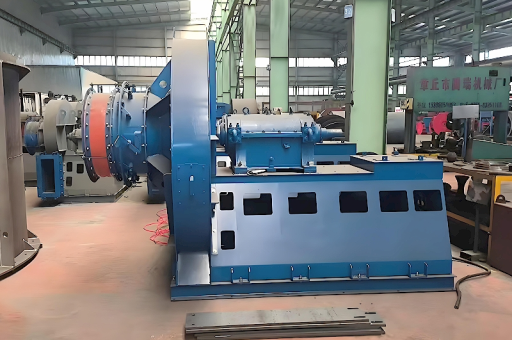
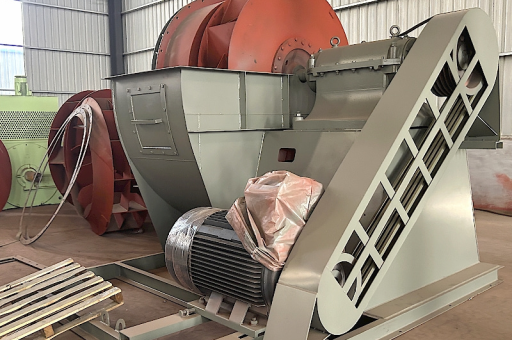
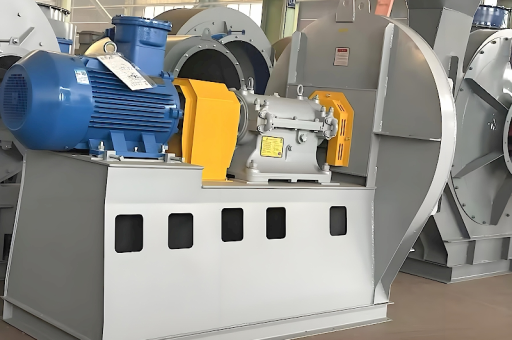
In the world of industrial cleaning and material handling, few tools match the raw efficiency and reliability of a high-power sweeper blower. A 15kW Sweeper Blower is a specialized heavy-duty fan system designed to generate exceptional airflow and suction pressure—typically exceeding 15,000 m³/h with static pressures above 6,000 Pa—making it the backbone of large-scale street sweepers, municipal waste collection vehicles, and industrial dust extraction units.
Unlike consumer-grade leaf blowers that rely on low-voltage motors, the 15kW class uses three-phase industrial motors (often 380V–480V) and advanced impeller designs. This power level bridges the gap between mobile sweeping equipment and stationary industrial ventilation systems. For example, a sweeper truck equipped with a 15kW blower can effectively lift heavy debris like gravel, sand, and metal shavings from asphalt or concrete surfaces, even at high travel speeds.
Core Technical Specifications and Performance Metrics
To understand why the 15kW rating matters, we must break down the engineering behind it. A typical 15kW Sweeper Blower operates at a rotational speed of 2,800–3,600 RPM (depending on frequency—50Hz vs 60Hz). The impeller is usually a backward-curved centrifugal design, chosen for its high efficiency and non-overloading power characteristics.
Key Performance Data (Based on Industry Benchmarks):
- Airflow (Q): 14,000 – 18,000 m³/h
- Static Pressure (P): 5,500 – 7,500 Pa
- Sound Level: 80–90 dB(A) (with silencer options available)
- Power Consumption: ~15 kW at full load (≈ 20 HP)
- Weight: 80–120 kg (depends on casing material—cast iron vs welded steel)
Why 15kW?
This power threshold is critical because it allows the blower to overcome the pressure losses from long ducting, filter bags, and suction nozzles. In contrast, a 7.5kW blower might struggle to maintain vacuum when the debris hopper is half full. The 15kW version ensures consistent performance under variable loading—a must for 8-hour continuous city cleaning routes.
Key Industrial Applications: Where Does It Excel?
The 15kW Sweeper Blower is not a one-size-fits-all device; it is optimized for specific environments:
a. Municipal Street Sweepers
- Mounted on truck chassis (e.g., Elgin, Johnston, or fan-branded models).
- Drives the "gutter broom" suction system that lifts debris from curbs.
- Capable of handling wet leaves, soil, and construction dust without clogging.
b. Industrial Vacuum Loaders
- Used in cement plants, grain terminals, and foundries.
- Transfers bulk materials (powders, pellets, chips) through 6–8 inch hoses.
- The 15kW motor ensures enough lift height for silo filling (up to 15 meters).
c. Airport Runway Sweepers
- Removes FOD (Foreign Object Debris) like screws, tire fragments, and stones.
- High airflow velocity (≈ 45 m/s at nozzle exit) prevents missed spots.
d. Mining and Quarry Dust Control
- Integrated into mobile dust suppression units.
- Creates negative pressure around crushers and conveyor transfer points.
Advantages Over Lower-Power Alternatives
Comparing a 15kW blower to, say, an 11kW model reveals significant gains:
| Feature | 11kW Blower | 15kW Blower | Benefit |
|---|---|---|---|
| Max Airflow | 12,000 m³/h | 17,000 m³/h | +40% coverage per pass |
| Static Pressure | 4,800 Pa | 6,800 Pa | Lifts wet mud & rocks |
| Motor Efficiency | 88% | 92% | Lower operating cost |
| Duty Cycle | Continuous | Continuous (S1) | No cooling downtime |
Real-World Example:
A municipality in Cologne, Germany, replaced 11kW blowers on four sweepers with 15kW units. Results show a 30% reduction in route time because fewer passes were needed to clear heavy debris near construction zones. Fuel consumption actually dropped slightly because the engine operates at a more efficient load point.
Maintenance Best Practices for Longevity
A 15kW motor generates significant heat and vibration. To avoid premature bearing failure or impeller imbalance:
-
Weekly Checks:
- Inspect the V-belt tension (if belt-driven). Slipping belts reduce airflow by 15–25%.
- Clean the impeller blades—build-up of sticky mud causes vibration.
-
Monthly Tasks:
- Measure motor insulation resistance (should be >5 MΩ at 500V).
- Grease bearings (use NLGI Grade 2 grease for high-speed applications).
-
Quarterly:
- Balance the impeller dynamically. An out-of-balance wheel can destroy bearings in 200 hours.
- Replace air intake filters (clogged filters increase motor temperature by 15°C).
Pro Tip: Always run the blower for 2 minutes after the main engine shuts down. This "cooldown" cycle prevents heat soak into the motor windings.
Frequently Asked Questions (FAQ)
Q1: Can I retrofit a 15kW Sweeper Blower into an older sweeper chassis?
A: It depends on the hydraulic/PTO system. The blower requires 20–25 HP at the output shaft. If your truck engine has at least 40 HP reserve, you can upgrade. Consult the OEM for gearbox ratios.
Q2: How loud is a 15kW blower, and can it be silenced?
A: Raw noise is 88 dB(A) at 1 meter. With a reactive silencer and acoustic enclosure, it drops to 75 dB(A)—acceptable for night-time city work.
Q3: What is the typical lifespan of such a blower?
A: With proper maintenance, 8,000–12,000 operating hours. The motor rewinding is possible after 10,000 hours if bearings are replaced preemptively.
Q4: Does higher power mean more fuel consumption?
A: Not necessarily. A 15kW blower running at 80% load is more efficient than a smaller blower running at 110% overload. Actual diesel consumption for the blower alone is 2.5–3.5 liters per hour.
Q5: What if my application needs more than 18,000 m³/h?
A: Consider a dual-blower setup (two 15kW units) or a single 22–30 kW unit. However, space constraints on sweepers usually limit single impeller sizes.
Q6: Are explosion-proof versions available?
A: Yes, for mining or grain handling. Look for ATEX/IECEx-certified models with non-sparking aluminum impellers and sealed motors.
Conclusion: Is a 15kW Sweeper Blower Right for You?
The 15kW Sweeper Blower represents the sweet spot in industrial cleaning power. It delivers enough airflow to handle challenging debris (mud, gravel, wet leaves) while remaining compact enough for vehicle mounting. If your current sweeper struggles with heavy loads or you are designing a new fleet for harsh environments, this power class is a proven choice.
When sourcing, prioritize energy-efficient motors (IE3/IE4 standards) and corrosion-resistant impellers (SS304 or MAR-aging steel). Brands like fan (fictitious placeholder) offer modular designs that allow quick impeller changes—keeping downtime minimal.
In summary: Choose 15kW when you need robust, continuous-duty performance. Pair it with proper ducting and filtration, and you’ll see immediate gains in route efficiency and debris pickup rates. Don’t oversize unless you have specific high-pressure needs; the 15kW unit is already a powerhouse.