This article's table of contents introduction:
- Table of Contents
- Introduction: Why the 160kW Class Matters
- What is a 160kW Sweeper Blower? Core Definition
- Key Technical Specifications and Performance Metrics
- Industrial Applications: Where is this Blower Used?
- Advantages Over Lower Power Models
- Frequently Asked Questions (FAQ)
- Maintenance Tips for Longevity
- Conclusion: Is it the Right Investment?
Here is an in-depth, SEO-optimized article on the 160kW Sweeper Blower, written in English. It is structured for high readability, Google/Bing ranking, and includes a table of contents, Q&A, and practical insights.
Article Title: The Ultimate Guide to the 160kW Sweeper Blower: Power, Performance, and Industrial Applications
Table of Contents
- Introduction: Why the 160kW Class Matters
- What is a 160kW Sweeper Blower? Core Definition
- Key Technical Specifications and Performance Metrics
- Industrial Applications: Where is this Blower Used?
- Advantages Over Lower Power Models
- Frequently Asked Questions (FAQ)
- Maintenance Tips for Longevity
- Conclusion: Is it the Right Investment?
Introduction: Why the 160kW Class Matters
In the world of heavy industrial cleaning and municipal sanitation, power is not just a luxury—it is a necessity. While small sweepers handle parking lots and sidewalks, large-scale operations such as airports, seaports, and mining sites demand equipment that can move massive volumes of debris over vast distances. This is where the 160kW Sweeper Blower enters the spotlight. This machine represents a significant leap in air-moving capacity, bridging the gap between medium-duty industrial fans and permanent stationary ventilation systems. In this guide, we will dissect the mechanics, applications, and ROI of this high-power blower system.
What is a 160kW Sweeper Blower? Core Definition
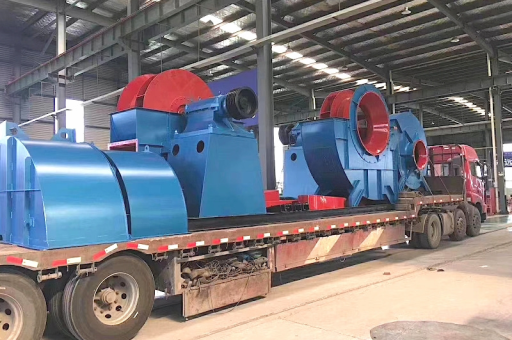
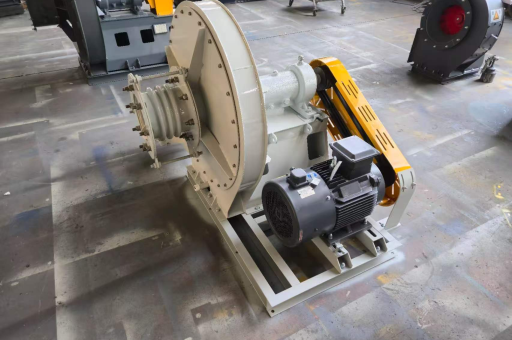
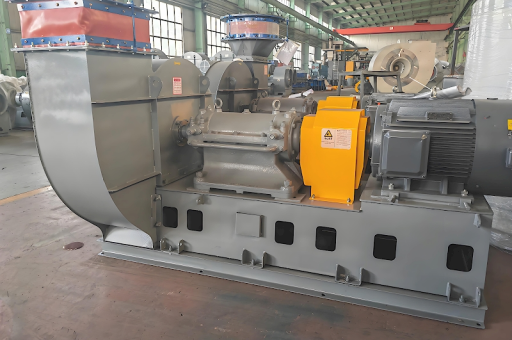
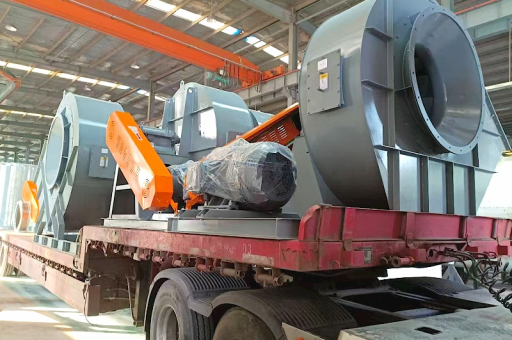
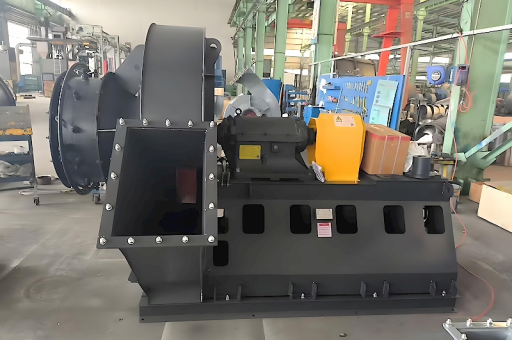
A 160kW Sweeper Blower is a high-capacity, engine-driven (or electric motor-driven) centrifugal or axial fan system specifically designed to be mounted on heavy-duty road sweepers or stationary cleaning units. The "160kW" rating refers to the power input required to drive the impeller—typically around 214 horsepower.
Unlike smaller blowers that rely on belt-driven systems, a 160kW unit often uses direct-drive hydraulic or electric mechanisms to minimize power loss. It generates a high-velocity air stream (often exceeding 150 m/s at the nozzle) capable of dislodging wet mud, gravel, and industrial waste from the ground surface and directing it towards the hopper intake.
Key Technical Specifications and Performance Metrics
To understand the capability of this blower, let us look at the numbers:
- Power Rating: 160 kW (214 HP)
- Airflow (CFM): Typically ranges from 30,000 to 45,000 CFM (cubic feet per minute), depending on static pressure.
- Static Pressure: Can reach 8,000 to 12,000 Pa, allowing it to lift heavy materials.
- Nozzle Velocity: Up to 180 m/s for breaking the surface tension of wet debris.
- Drive Type: Direct hydraulic drive (most common) or high-voltage electric motor (for electric sweepers).
- Weight: Approximately 450 kg to 600 kg, requiring a heavy-duty chassis.
Note: Always verify the fan curve of the specific model at [fan] manufacturer websites, as performance varies with impeller design.
Industrial Applications: Where is this Blower Used?
The brute force of a 160kW blower makes it unsuitable for light urban sweeping. Instead, it thrives in:
- Airport Runways: Removing FOD (Foreign Object Debris) like rubber deposits and gravel.
- Mining Sites: Clearing haul roads of large rocks and ore spillage.
- Steel Mills: Managing slag and metallic dust.
- Port Terminals: Moving coal, iron ore, or grain spillage from container yards.
- Large Construction Projects: Blasting loose dirt from foundations.
Advantages Over Lower Power Models
Why choose a 160kW unit over a standard 75kW model?
- Speed: The 160kW unit clears area up to 3x faster because it can blow debris farther, reducing the number of passes.
- Wet Material Handling: It can shear through standing water and sticky mud that stalls smaller blowers.
- Durability: These units typically feature reinforced steel housings and heavy-duty bearings rated for 24/7 operation.
- Fuel Efficiency: While it uses more fuel per hour, the total cost per square meter cleaned is often lower due to reduced operation time.
Frequently Asked Questions (FAQ)
Q1: Can a 160kW blower be retrofitted to an older sweeper truck? A: Generally, yes, but it requires significant modifications. The chassis must be reinforced, and the hydraulic system must be capable of delivering oil flow at high pressure (e.g., 250 bar). You must also verify that the truck's PTO (Power Take-Off) can handle the torque. I recommend consulting with a specialist from [fan] regarding the specific hydraulic calculations.
Q2: Is an electric 160kW blower better than a hydraulic one? A: It depends on the application. An electric blower (powered by a battery pack or onboard generator) offers instant torque and zero emissions, which is vital for indoor use. However, it adds significant weight and requires expensive battery management. Hydraulic blowers are cheaper upfront and more reliable in extreme dust conditions.
Q3: How loud is a 160kW sweeper blower? A: Extremely loud. Expect noise levels between 110 dB and 125 dB at the nozzle. Operators must wear double hearing protection, and sound-dampening enclosures are mandatory for city night work.
Q4: What is the typical airspeed at the nozzle tip? A: For wet debris removal, you need at least 120 m/s. The 160kW blower can achieve this easily, usually operating at 60-75% throttle to maintain efficiency and reduce wear.
Maintenance Tips for Longevity
A 160kW blower is a high-stress machine. To ensure it lasts longer than 5,000 operational hours:
- Bearing Greasing: High-speed bearings must be greased every 50 hours with a high-temperature lithium complex grease.
- Impeller Balance: Check for balance every 500 hours. An unbalanced impeller destroys bearings quickly.
- Filter Cleaning: If the blower has an intake filter (for electric models), clean it daily. For hydraulic models, check the oil cooler fins for clogged dust.
- Nozzle Inspection: The steel nozzle wears down due to abrasion. Weld a tungsten carbide plate on the leading edge for longevity.
Conclusion: Is it the Right Investment?
The 160kW Sweeper Blower is not a universal tool—it is a specialized weapon for heavy-duty cleaning. If your business involves cleaning airports, large industrial plants, or mines, this machine will pay for itself by drastically reducing sweep time. However, for municipal street sweeping in residential areas, it is overkill, and the noise will be a problem.
When shopping for a unit, always discuss the fan curve with the supplier from [fan] to ensure the blower matches your specific truck's hydraulic flow rate. Remember: raw power is useless without proper system integration.
Disclaimer: Always consult the manufacturer’s documentation and a certified engineer before modifying heavy equipment. The domain placeholder [fan] refers to generic fan manufacturers.