This article's table of contents introduction:
- What is a 30kW Sweeper Blower?
- Key Technical Specifications (Typical)
- Primary Applications
- Types of 30kW Blowers for Sweeping
- Advantages of a 30kW Unit
- Disadvantages / Challenges
- Installation & Safety Requirements
- Cost Estimate (2025 typical, industrial grade)
- Comparison to Other Popular Sizes
- Maintenance Checklist
Here is a comprehensive breakdown of a 30kW Sweeper Blower — what it is, where it's used, key specifications, and how it compares to other systems.
What is a 30kW Sweeper Blower?
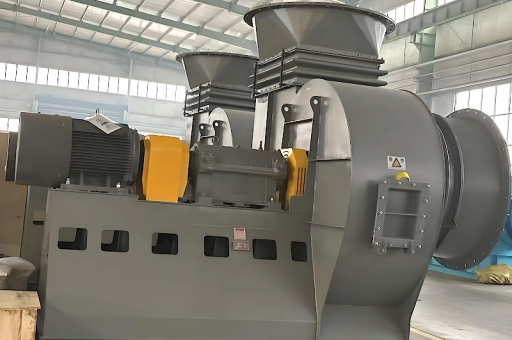
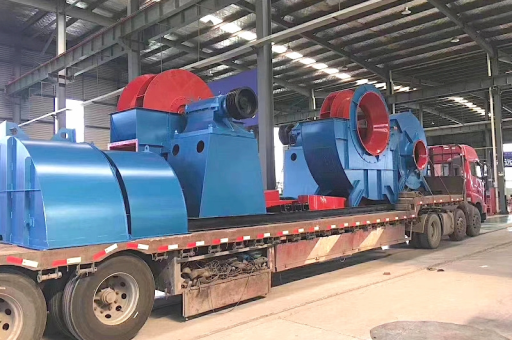
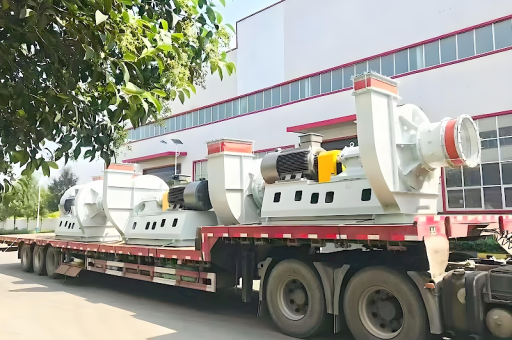
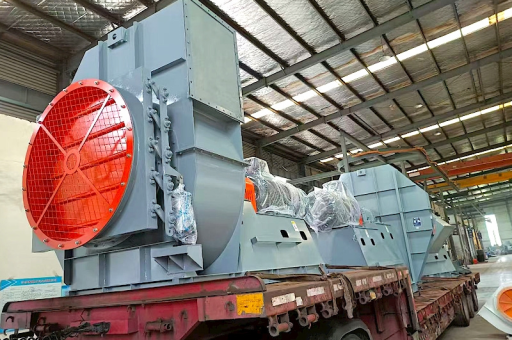
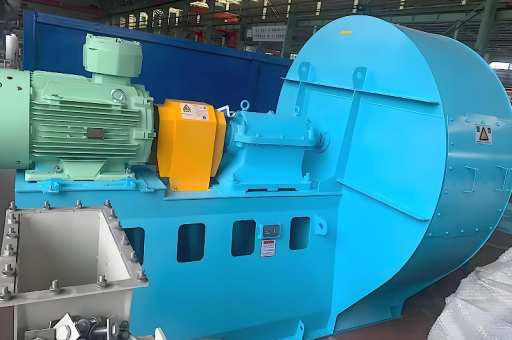
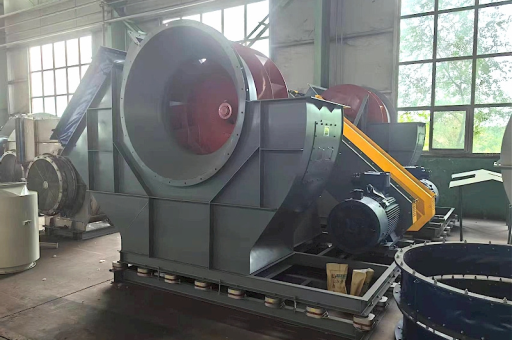
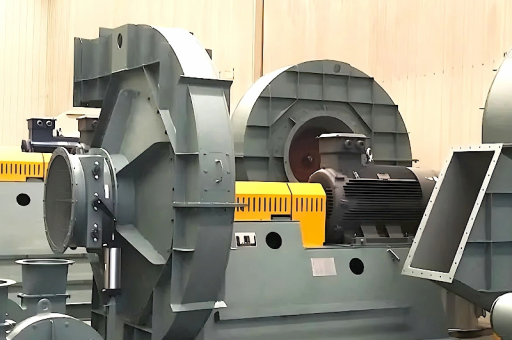
A 30kW sweeper blower is a high-power industrial component designed to create a high-velocity air stream for sweeping, debris collection, or pneumatic conveying. The "30kW" (approximately 40 HP) rating indicates the motor power, making it suitable for heavy-duty, large-scale, or industrial applications.
Key Technical Specifications (Typical)
- Power: 30 kW (40.2 HP)
- Voltage: Typically 3-phase (380V, 400V, or 460V)
- Airflow: ~7,000 - 12,000 m³/hr (4,000 - 7,000 CFM) depending on pressure
- Pressure: 2,000 - 6,000 Pa (8 - 24 inches w.g.) for typical units; higher for high-pressure designs
- Speed: 1,450 - 3,000 RPM (direct drive or belt-driven)
- Sound Level: 75 - 95 dB(A) (with silencers/attenuators)
- Construction: Cast iron or fabricated steel housing; impeller either aluminum (for low inertia/lightweight) or steel (for abrasive dust).
Primary Applications
- Industrial Sweeping Vehicles (Truck-Mounted): The most common use. Powers the main pickup head or side brooms on large sweepers used in airports, ports, mining sites, and large factory floors.
- Centralized Vacuum Systems: Used in woodworking, cement plants, grain handling, and chemical facilities to transport debris from multiple collection points to a central bin.
- Large Dust Collection Systems: Provides the negative pressure (vacuum) for duct networks in foundries, steel mills, or wood processing plants.
- Pneumatic Conveying: Moves bulk materials (powders, granules, pellets) over medium distances (50-200 meters).
- Textile & Paper Industry: For removing lint, trim, or waste from production lines.
Types of 30kW Blowers for Sweeping
- Centrifugal (Radial) Blower: Most common for sweeping. High pressure, medium airflow. The impeller spins inside a housing, creating centrifugal force to move air.
- Regenerative (Side Channel) Blower: Less common at 30kW due to size/cost. Used for continuous duty, lower pressure applications (e.g., vacuum lifters, not heavy debris).
- Positive Displacement (Roots Blower): Rarely used for sweeping due to high noise, pulsation, and oil-handling issues. Better for aeration or high-pressure conveying.
Advantages of a 30kW Unit
- Power: Can generate enough suction to pick up heavy debris (rocks, wet sand, metal shavings, wood chunks).
- Continuous Duty: Designed for 24/7 operation in harsh environments.
- Versatility: Can be integrated into existing systems or mounted on heavy vehicles.
- Reliability: Heavy-duty motors and bearings (maintenance intervals often >8,000 hours).
Disadvantages / Challenges
- Power Consumption: 30kW running 8 hours/day = ~240 kWh/day. Costly unless offset by productivity gains.
- Noise & Vibration: Requires proper mounting, flexible connectors, and often a silencer for indoor use.
- Size & Weight: Typically 200-400 kg (440-880 lbs); requiring crane or forklift for installation.
- Dust Handling: If handling fine or explosive dust, requires explosion-proof motors/ATEX certification, which adds cost.
Installation & Safety Requirements
- Electrical: 3-phase supply with appropriate circuit breaker (approx 60-80A @ 400V). Use VFD (Variable Frequency Drive) for soft start & energy savings.
- Piping: Ensure ductwork diameter is at least 10-12 inches (250-300 mm) to avoid excessive pressure drop.
- Inlet Filter: If air is clean (e.g., sweeping fine dirt), a coarse filter may be installed upstream. If handling dust, a cyclone or bag filter must be placed before the blower to protect impeller.
- Thermal Protection: Motor must have thermistors or PTC sensors; blower requires thermal overload relay.
- Inlet / Outlet Isolation: Use dampers or shut-off valves to prevent motor startup under full load (if VFD not used).
Cost Estimate (2025 typical, industrial grade)
- Blower Unit (Centrifugal, cast iron, direct drive): $8,000 – $15,000 USD
- With VFD & Control Panel: $12,000 – $20,000 USD
- Heavy-Duty Truck-Mounted System (complete): $20,000 – $40,000 USD (including motor, filter, piping, installation)
- Used / Refurbished: $3,000 – $8,000 USD (often sold from decommissioned sweepers or factories)
Comparison to Other Popular Sizes
| Power | Typical Application | Airflow (approx) | Pressure (approx) |
|---|---|---|---|
| 11 kW (15 HP) | Small ride-on sweeper, compact vacuums | 3,000 m³/h | 1,500 Pa |
| 30 kW | Heavy road sweeper, central vac | 9,000 m³/h | 3,500 Pa |
| 55 kW (75 HP) | Large airport sweeper, conveyors | 18,000 m³/h | 4,500 Pa |
| 90 kW+ | Stationary dust collectors, mine vent | >30,000 m³/h | >5,000 Pa |
Maintenance Checklist
- Monthly: Check impeller balance, belt tension (if belted), and bearing temperature. Clean inlet screen.
- Quarterly: Inspect for dust buildup on impeller blades; balance if required. Check motor insulation resistance.
- Annually: Replace bearings, check shaft alignment, verify motor winding health, inspect housing for corrosion.
Need more specific help?
If you have a particular sweeper model, expected material (e.g., sand vs. wood chips), or installation environment (indoor/outdoor, hazardous zone), let me know—I can refine the advice further.