*
The Ultimate Guide to 4kW Stainless Steel High-Pressure Blowers: Performance, Applications, and Maintenance*
Table of Contents
- Introduction: What Is a 4kW Stainless Steel High-Pressure Blower?
- Key Technical Specifications and Materials
- How Does It Compare to Cast Iron or Aluminum Blowers?
- Major Industry Applications
- Installation Best Practices and Safety Tips
- Common Q&A: Troubleshooting and Selection
- Maintenance to Maximize Lifespan
- Conclusion: Why Stainless Steel Matters
Introduction: What Is a 4kW Stainless Steel High-Pressure Blower?
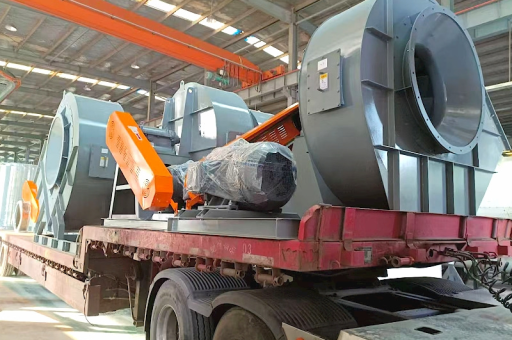
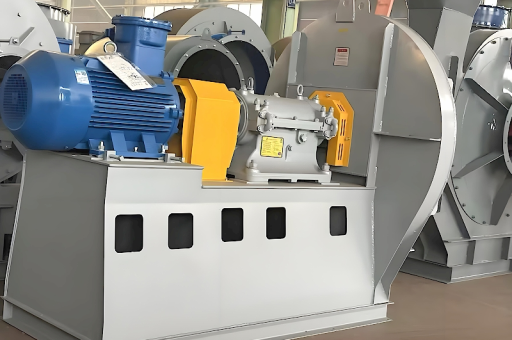
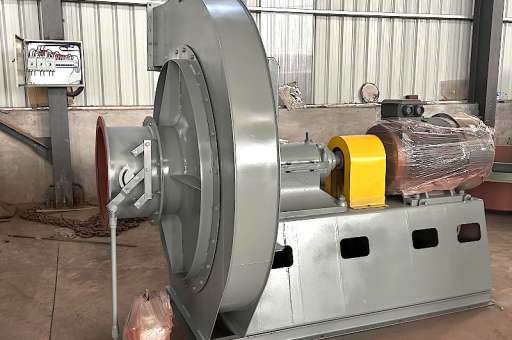
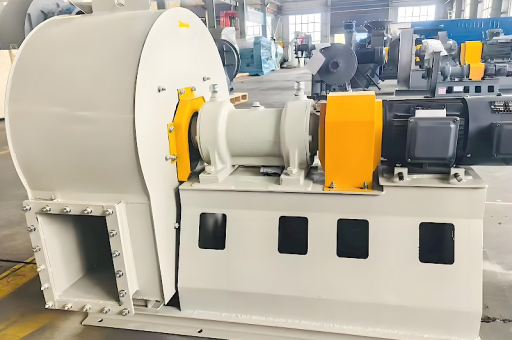
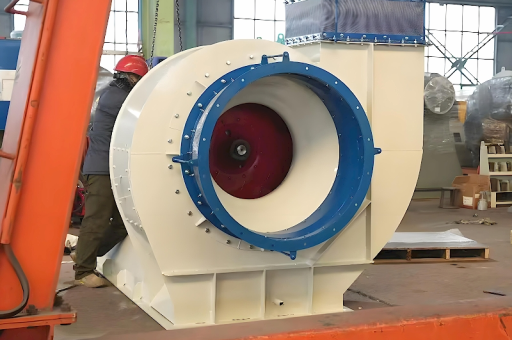
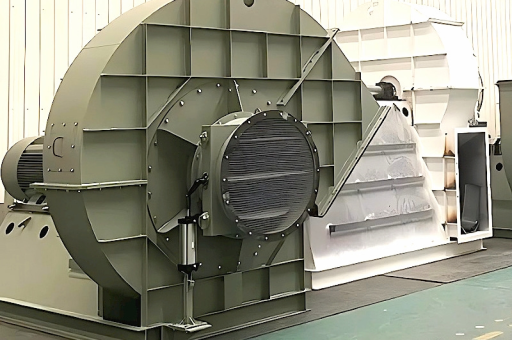
A 4kW stainless steel high-pressure blower is a heavy-duty industrial air-moving device designed to deliver consistent, high-static pressure for demanding environments. Its 4-kilowatt motor (approximately 5.4 HP) enables it to generate airflows typically ranging from 800 to 1,500 m³/h, with pressure capabilities up to 30–45 kPa, depending on the impeller design. The stainless steel construction (commonly SS304 or SS316L) provides exceptional resistance to corrosion, moisture, and chemical vapors, making it the preferred choice for wastewater treatment, pneumatic conveying, and food-grade ventilation systems.
SEO Note: This section sets the foundational keywords: “4kW stainless steel high-pressure blower,” “industrial blower,” and “corrosion-resistant fan.”
Key Technical Specifications and Materials
- Motor Power: 4 kW (50/60 Hz, typically 3-phase, IP55 or IP56 rated).
- Impeller Type: Backward-curved or radial, precision-balanced for low vibration.
- Housing: Welded stainless steel with smooth internal surfaces to reduce friction loss.
- Maximum Static Pressure: 38–45 kPa (single-stage); up to 60 kPa with two-stage design.
- Sound Level: 72–85 dB(A) at 1 meter, depending on speed and working point.
- Ingress Protection: IP55 (dust protected and water jet resistant); optional IP56 for washdown environments.
Why stainless steel? Cast iron blowers are cheaper but rust quickly in humid or acidic environments. Aluminum blowers are lighter but cannot withstand high temperatures or abrasive particles. Stainless steel offers the best balance of durability, hygiene, and long-term cost—especially where the air stream contains moisture, salt, or food residues.
How Does It Compare to Cast Iron or Aluminum Blowers?
Cast Iron:
- Pros: Low initial cost, high rigidity.
- Cons: Susceptible to rust; heavy (up to 50% heavier than stainless); cannot be used in cleanrooms or food contact areas.
Aluminum:
- Pros: Lightweight, moderate corrosion resistance.
- Cons: Lower tensile strength; pitting in alkaline or chloride environments; limited to max 80°C continuous operation.
Stainless Steel (SS304/316L):
- Pros: Excellent corrosion resistance, high temperature capability (up to 200°C with proper seals), FDA and ATEX compatible options.
- Cons: Higher upfront cost, requires skilled welding during repair.
Q: Can I replace my old cast iron blower with a 4kW stainless steel model?
A: Yes, but you must check the mounting base dimensions, shaft height, and inlet/outlet orientation. Stainless steel fans are often slightly lighter than cast iron, so existing foundations are usually adequate.
Major Industry Applications
- Wastewater Treatment Plants – Used for aeration in biological treatment basins. The SS grade resists H₂S and chlorine gases.
- Pneumatic Conveying – Moves powders, granules, and pellets in food, pharmaceutical, and chemical plants.
- Hotel & Kitchen Exhaust – Handles grease-laden air; stainless steel withstands high-temperature washdown cycles.
- Marine & Offshore – On ships or oil rigs where salt spray would destroy carbon steel fans.
- Cleanrooms and Laboratories – Non-shedding material prevents particle contamination.
- Woodworking Dust Collection – The robust impeller handles occasional debris without failure.
Installation Best Practices and Safety Tips
- Foundation: Use a concrete base with vibration dampeners. The fan’s weight (approx. 45–60 kg for a 4kW unit) requires secure anchoring.
- Electrical: Connect via a variable frequency drive (VFD) for adjustability. Ensure motor wiring matches the nameplate voltage (e.g., 380V or 415V).
- Ductwork: Inlet and outlet ducts should be supported independently to avoid stress on the fan housing.
- Auxiliary Protection: Install a temperature sensor in the motor winding and a differential pressure switch across the filter.
- Safety Guards: All rotating parts must be guarded per ISO 13857.
Q: How loud is this blower, and can I reduce noise?
A: Typical noise is 78 dB(A) at design point. Use a sound enclosure lined with acoustic foam, or install a silencer on the inlet. Silencers can reduce noise by 10–15 dB(A).
Common Q&A: Troubleshooting and Selection
Q: What is the maximum operating temperature?
A: For standard elastomer seals, the limit is 90°C ambient. With Viton seals and a flush-before-stop sequence, continuous operation up to 160°C is possible. For higher temperatures, consider a direct-driven, air-cooled thermal barrier.
Q: Can I use a 4kW stainless steel blower for vacuum applications?
A: Yes. Many models are reversible; they can function as exhausters. However, the maximum vacuum level is usually below 30 kPa. For deeper vacuum, a dedicated rotary vane unit is better.
Q: How do I choose between SS304 and SS316L?
A: SS304 is sufficient for clean air, water vapor, and most food applications. SS316L is needed when the air contains chlorides (like pool areas), brine, or acidic chemicals. SS316L has 2–3% molybdenum for extra pitting resistance.
Maintenance to Maximize Lifespan
- Weekly: Listen for bearing noise; inspect for leaks or condensation inside the housing.
- Monthly: Check V-belt tension (if belt-driven) and verify impeller balance using a vibration analyzer (aim < 0.15 mm/s RMS).
- Quarterly: Clean the impeller with a plastic scraper (never metal) to remove deposits. Check shaft seal for wear.
- Annually: Replace bearings (SKF or FAG sealed type are recommended). Apply anti-seize compound on bolts exposed to moisture.
Most failures occur from misapplication (e.g., running at high pressure beyond the curve) or from dirt buildup causing imbalance. The stainless steel housing is very forgiving against corrosion, but the bearings and motor need regular attention.
Conclusion: Why Stainless Steel Matters
The 4kW stainless steel high-pressure blower is not just a premium option—it is often the only reliable choice for aggressive environments where humidity, chemicals, or hygiene standards demand a non-corroding, cleanable surface. While the acquisition cost is 30–50% higher than a cast iron equivalent, the total cost of ownership over 10 years is lower due to reduced maintenance, fewer shutdowns, and longer service life. When selecting a fan for your next project, specify a 4kW stainless steel high-pressure blower and verify that the impeller, housing, and fasteners are all of the same grade. This ensures uniform corrosion resistance and prevents galvanic issues. For critical applications, always request a performance test report and follow the manufacturer’s installation guidelines precisely.
References: Industry data from fan manufacturers, technical standards ISO 13349 and AMCA 210, and field experience at wastewater and chemical processing facilities.