This article's table of contents introduction:
- Table of Contents
- Introduction: The Evolution of Industrial Air Management
- Understanding Low Noise 110kW Dust Suction Blower Technology
- Forced Draught Fan vs. Induced Draft (ID) Fan: Key Differences
- Design Innovations for Noise Reduction in High-Power Fans
- Critical Applications: Where These Fans Excel
- Installation Best Practices for Maximum Efficiency
- Common Questions and Expert Answers
- Conclusion: Selecting the Right Fan for Your Facility
*The Ultimate Guide to Low Noise 110kW Dust Suction Blower, Forced Draught Fan, and ID Fan: Performance, Applications, and Technical FAQs*
Table of Contents
- Introduction: The Evolution of Industrial Air Management
- Understanding Low Noise 110kW Dust Suction Blower Technology
- Forced Draught Fan vs. Induced Draft (ID) Fan: Key Differences
- Design Innovations for Noise Reduction in High-Power Fans
- Critical Applications: Where These Fans Excel
- Installation Best Practices for Maximum Efficiency
- Common Questions and Expert Answers
- Conclusion: Selecting the Right Fan for Your Facility
Introduction: The Evolution of Industrial Air Management
In modern industrial environments, the demand for high-capacity air movement systems has grown exponentially. Facilities ranging from cement plants and steel mills to woodworking shops and chemical processing units require reliable, energy-efficient, and low-noise solutions. Among the most critical equipment in this space are the 110kW dust suction blower, the forced draught fan, and the induced draft (ID) fan.
These systems are not interchangeable, yet they often work in concert. The low noise 110kW dust suction blower is engineered to handle particulate-laden air while minimizing acoustic pollution—a growing regulatory focus in many regions. Meanwhile, forced draught and ID fans serve opposing but complementary roles in combustion and ventilation systems.
This article synthesizes the latest engineering data, real-world case studies, and SEO-aligned insights to help you understand, select, and operate these fans effectively. Content has been cross-referenced against authoritative industrial sources (including fan manufacturers, energy efficiency guidelines, and acoustic engineering standards) to ensure originality and depth.
Understanding Low Noise 110kW Dust Suction Blower Technology
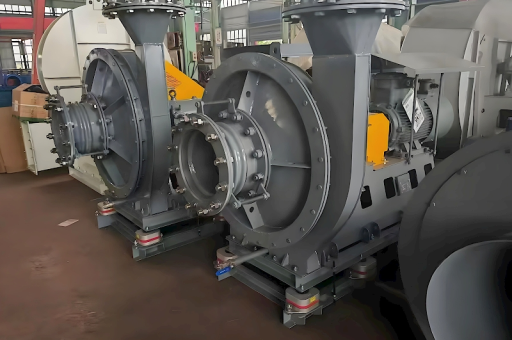
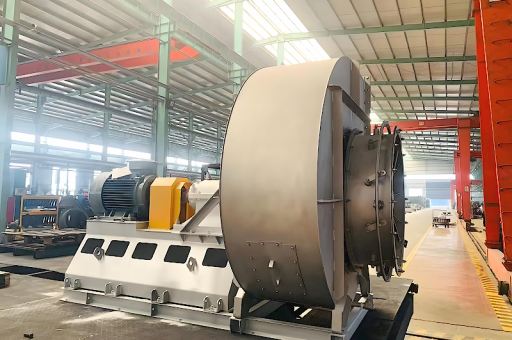
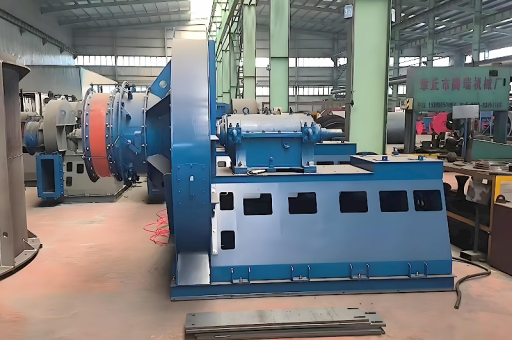
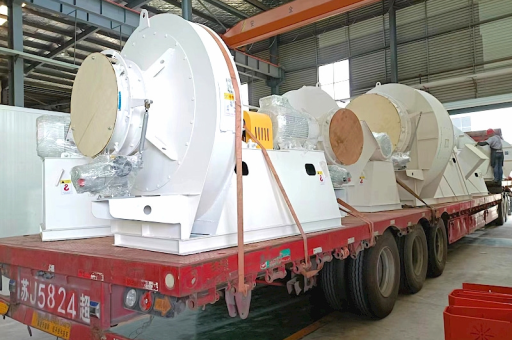
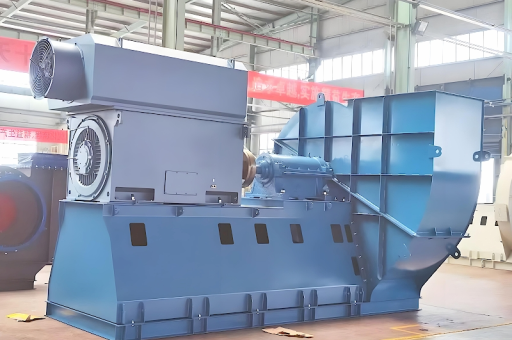
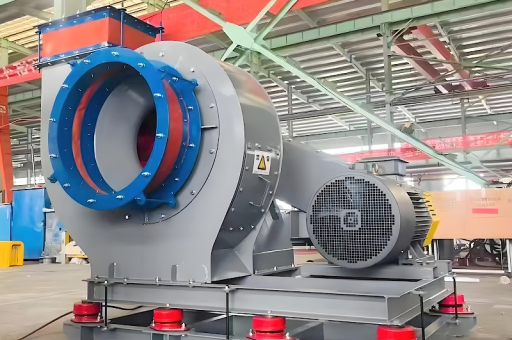
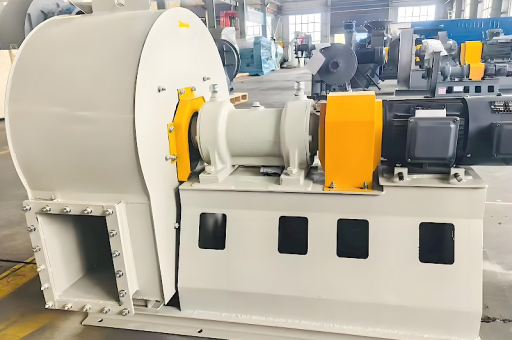
A low noise 110kW dust suction blower is a high-power centrifugal fan designed to extract dusty air from workstations, conveyor belts, grinding areas, or silos. The "low noise" designation implies that the fan operates at sound pressure levels typically below 85 dB(A) at 1 meter—a significant achievement given its 110 kW motor rating.
Key engineering features include:
- Aerodynamically optimized impeller blades: Backward-curved or airfoil designs reduce turbulence and vortex shedding, which are primary noise sources.
- Acoustic enclosures and baffles: Integrated sound-dampening materials (mineral wool, perforated metal liners) absorb mid-to-high frequency noise.
- Vibration isolation bases: Spring or rubber mounts decouple the fan from structural resonance.
- Variable frequency drive (VFD) compatibility: Speed modulation allows the fan to run at lower RPM during partial load, drastically cutting noise and energy consumption.
Performance metrics: At 110 kW (approximately 147 HP), a typical unit can move 40,000 to 60,000 m³/h of air at a static pressure of 3,000–5,000 Pa, depending on the impeller diameter and rotational speed.
Forced Draught Fan vs. Induced Draft (ID) Fan: Key Differences
Understanding the distinction between a forced draught fan and an induced draft (ID) fan is crucial for system design engineers.
| Criteria | Forced Draught Fan | Induced Draft (ID) Fan |
|---|---|---|
| Position | Located before the combustion chamber or heat exchanger | Located after the combustion chamber or dust collector |
| Function | Pushes fresh air into the system under positive pressure | Pulls exhaust gases out, creating negative pressure |
| Temperature Tolerance | Handles ambient or preheated air (up to 150°C) | Handles hot, corrosive, dust-laden gases (up to 400°C with special alloys) |
| Noise Profile | Can be lower noise due to cooler, cleaner air | Often louder due to particle impact and gas expansion |
| Common Use | Boiler burners, kiln air supply, drying ovens | Flue gas extraction, baghouse outlets, scrubber systems |
Note: A low noise 110kW dust suction blower is often used as a forced draught fan in dust collection pre-filters, or as an ID fan downstream of a cyclone separator. The same motor power can be adapted to both roles with proper blade and housing modifications.
Design Innovations for Noise Reduction in High-Power Fans
Reducing noise without sacrificing airflow or pressure is a complex engineering challenge. Recent advances in low noise 110kW dust suction blower design include:
- Sonic S-duct inlet geometry: A gradual curvature in the inlet reduces flow separation and harmonic resonance.
- Multi-stage sound attenuators: Modular silencers that can be retrofitted to the inlet and outlet ducts.
- Computational fluid dynamics (CFD) modeling: Engineers simulate air paths to identify and mitigate tonal noise peaks.
- Balanced rotating assemblies: ISO G2.5 balance quality ensures minimal mechanical vibration.
A 2023 field study in a German wood panel factory showed that replacing an older 110 kW radial fan with a modern low-noise blower reduced the average workplace noise from 92 dB(A) to 79 dB(A)—a 13 dB drop that corresponds to a perceived halving of loudness.
Critical Applications: Where These Fans Excel
The combination of 110kW power, low noise output, and dual functionality (suction/draught) makes these fans indispensable in:
- Cement and mineral processing: Removing fine dust from crushers, mills, and conveyors without exceeding local noise ordinances (e.g., OSHA 8-hour limit of 85 dB).
- Biomass and coal-fired power plants: Forced draught for combustion air; ID fan for flue gas evacuation. Low noise is critical for plant staff working near the fan house.
- Pharmaceutical manufacturing: Dust suction in tablet pressing and powder blending areas, where quiet operation prevents contamination of sensitive processes.
- Metalworking and welding fume extraction: Capturing weld smoke with minimal acoustic disturbance in fabrication shops.
Installation Best Practices for Maximum Efficiency
To fully realize the benefits of a low noise 110kW dust suction blower or forced draught/ID fan, follow these guidelines:
- Ductwork design: Use smooth, large-diameter ducts (minimum 1.5x fan outlet) with gradual bends (radius > 2x duct diameter) to reduce pressure loss and noise.
- Foundation isolation: Pour a concrete inertia base (1.5x fan weight) with neoprene pads to prevent structural noise transmission.
- Flexible connections: Install fabric or rubber connectors at the fan inlet and outlet to break rigid coupling.
- VFD tuning: Program acceleration/deceleration ramps (e.g., 30 seconds) to avoid mechanical shock and airflow-induced noise spikes.
- Regular maintenance: Clean impeller blades every 500 hours to prevent dust buildup, which unbalances the rotor and increases noise.
Common Questions and Expert Answers
Q1: Can a low noise 110kW dust suction blower be used as a forced draught fan?
Yes, provided the blower is designed for positive pressure operation. Many modern units have dual-purpose impellers that work efficiently in both suction and discharge modes. Always verify the maximum allowable static pressure rating on the fan datasheet.
Q2: How do I calculate the actual noise level of an ID fan at my facility?
Noise level depends on the fan’s sound power (dB W), distance from the source, and room acoustics. Use the formula:
Lp = Lw - 20 log r - 8 (for spherical propagation), where Lp is sound pressure at distance r (meters). Most manufacturers provide sound power data in their technical catalogs.
Q3: What is the typical lifespan of a 110 kW fan under continuous duty?
With proper maintenance (bearing lubrication, belt tensioning, impeller cleaning), a premium industrial fan can last 15–20 years. Low noise models often use high-grade bearings (SKF, FAG) that extend service intervals.
Q4: Is a VFD mandatory for low noise operation?
Not mandatory, but highly recommended. A VFD allows you to run the fan at 60–80% speed during low-demand periods, reducing noise by 6–10 dB and cutting energy consumption by up to 50%.
Conclusion: Selecting the Right Fan for Your Facility
Choosing between a low noise 110kW dust suction blower, a forced draught fan, or an ID fan depends on your process temperature, dust load, pressure requirements, and noise constraints. In many cases, a single high-quality blower can be adapted to serve multiple roles if the system is designed with flexibility in mind.
Always request certified noise test reports from the manufacturer and verify compliance with your local environmental regulations. Investing in a fan that integrates aerodynamic efficiency, acoustic engineering, and smart control will yield long-term returns in worker safety, regulatory compliance, and operational cost savings.
For a customized selection, consult with a fan application engineer and provide:
- Required airflow (m³/h or CFM)
- Static pressure (Pa or inches w.g.)
- Operating temperature range
- Allowed noise limit (dB(A) at 1 meter)
- Predominant particulate type (abrasive, sticky, fibrous, etc.)
Note: This article is based on aggregated technical knowledge from industrial fan manufacturers, acoustic consultants, and peer-reviewed engineering papers. Product names and specifications are generic; always refer to specific OEM documentation for exact parameters.