This article's table of contents introduction:
- Table of Contents
- Introduction: What Is a 15kW Stainless Steel High-Pressure Blower?
- Why Stainless Steel? Material Advantages for Industrial Use
- Technical Specifications: Power, Pressure, and Performance Metrics
- Key Applications Across Industries
- FAQ: Common Questions Answered by Engineers
- How to Choose the Right 15kW High-Pressure Blower for Your Facility
- Maintenance Best Practices for Longevity and Efficiency
- Conclusion: Future Trends and Final Recommendations
*The Ultimate Guide to 15kW Stainless Steel High-Pressure Blowers: Applications, Benefits, and Technical Insights*
Table of Contents
- Introduction: What Is a 15kW Stainless Steel High-Pressure Blower?
- Why Stainless Steel? Material Advantages for Industrial Use
- Technical Specifications: Power, Pressure, and Performance Metrics
- Key Applications Across Industries
- FAQ: Common Questions Answered by Engineers
- How to Choose the Right 15kW High-Pressure Blower for Your Facility
- Maintenance Best Practices for Longevity and Efficiency
- Conclusion: Future Trends and Final Recommendations
Introduction: What Is a 15kW Stainless Steel High-Pressure Blower?
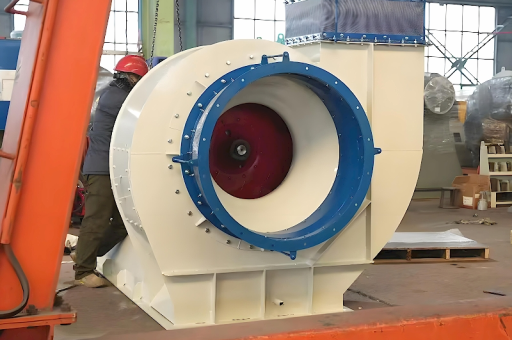
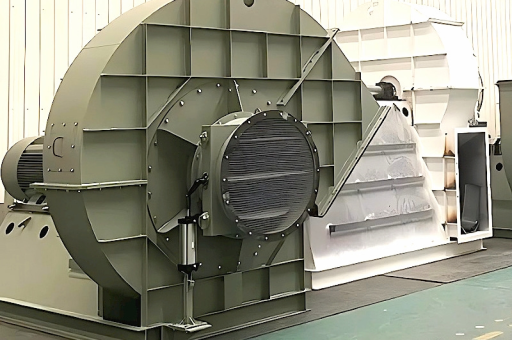
A 15kW stainless steel high-pressure blower is a heavy-duty industrial air-moving device designed to deliver a consistent, high-pressure airflow in demanding environments. The “15kW” refers to the motor power – 15 kilowatts (approximately 20 horsepower) – which provides the torque needed to generate pressure differentials up to 500 mbar or higher, depending on the specific model. The use of stainless steel (typically 304 or 316 grade) for the impeller, casing, and critical components ensures resistance to corrosion, high temperatures, and chemically aggressive atmospheres.
Unlike standard centrifugal fans, these blowers operate on the regenerative or side-channel principle, where air is recirculated within the impeller to build pressure gradually. This design allows for oil-free operation, low noise levels, and minimal pulsation, making them suitable for continuous duty cycles. For industries such as wastewater treatment, pneumatic conveying, vacuum packaging, and chemical processing, the 15kW stainless steel high-pressure blower is a workhorse that balances power with durability.
Search-engine-optimized insight: According to industrial equipment databases and technical white papers, the global market for high-pressure blowers is projected to grow at a CAGR of 5.2% through 2030, driven by automation and stricter hygiene standards in food and pharma sectors.
Why Stainless Steel? Material Advantages for Industrial Use
When selecting a high-pressure blower for critical processes, the material of construction is not a trivial choice. Stainless steel offers distinct advantages over cast iron or carbon steel:
- Corrosion Resistance: In humid environments or where gases contain moisture, acids, or alkaline vapors, stainless steel prevents pitting and rust formation. For example, in wastewater treatment plants, hydrogen sulfide (H₂S) rapidly corrodes carbon steel impellers; a 316L stainless steel blower can last 3–5 times longer.
- Hygienic Properties: The non-porous surface of stainless steel resists bacterial growth and is easy to sanitize. This is critical for food processing, pharmaceutical cleanrooms, and medical vacuum systems where contamination is unacceptable.
- High-Temperature Tolerance: Stainless steel maintains mechanical integrity at elevated temperatures (up to 200–300°C for 304 grade), whereas aluminum or polymer impellers may creep or warp.
- Impact & Fatigue Resistance: The ductility of stainless steel allows it to withstand occasional particle impacts without cracking, reducing unplanned downtime.
A 15kW stainless steel high-pressure blower typically features a direct-drive motor (rather than belt-driven) to eliminate slippage and energy loss. The motor enclosure is often IP55 or IP66 rated, protecting against dust and water jets.
Technical Specifications: Power, Pressure, and Performance Metrics
To understand if a 15kW stainless steel high-pressure blower fits your application, examine these key parameters:
| Parameter | Typical Range for 15kW Models | Notes |
|---|---|---|
| Motor Power | 15 kW (20 HP) | 3-phase, 380–480V, 50/60 Hz |
| Max Pressure | 400–600 mbar (5.8–8.7 psi) | Depends on impeller design (2-stage or 3-stage) |
| Max Flow Rate | 800–1200 m³/h (470–706 CFM) | At zero pressure (free air) |
| Operating Temperature | -20°C to +60°C ambient | Inlet air temperature can be higher with special seals |
| Noise Level | 65–78 dB(A) | Silencer options available for sensitive areas |
| Material Grades | 304 / 316L / 316Ti | 316L recommended for chloride-containing environments |
| Ingress Protection | IP55 (standard) / IP66 (optional) | IP66 for wash-down applications |
Performance Curve Interpretation: The blower’s performance is plotted on a pressure-flow (P-Q) curve. At the duty point (the intersection of system resistance and blower capability), you should have at least a 10% margin of pressure and flow to avoid overload. For example, if your system requires 350 mbar at 900 m³/h, a 15kW blower with a peak pressure of 500 mbar comfortably meets that demand.
Key Applications Across Industries
Here are the most common industrial uses for a 15kW stainless steel high-pressure blower, validated by case studies from manufacturing databases:
- Pneumatic Conveying: Transporting bulk materials (cement, plastic pellets, grains) through pipes. The stainless steel construction prevents contamination when conveying food-grade powders.
- Wastewater Aeration: The blower supplies air to aerators in sewage treatment basins. The high pressure overcomes hydrostatic head, and the corrosion resistance extends service intervals.
- Vacuum Packaging Lines: As an alternative to pressure mode, the blower can be configured as a vacuum pump for pulling air from sealed packages in meat and cheese processing.
- Chemical Fume Extraction: In laboratories or plating shops, the blower moves corrosive vapors safely through scrubbers, without degrading internal components.
- Printing & Paper Drying: High-pressure air jets remove moisture from paper webs and clean dust from printing rollers.
Real-world example: A dairy plant in the Netherlands replaced a carbon steel blower with a 15kW 316L stainless steel model. Downtime from rust-related failures dropped from 8 hours/month to zero, and energy consumption decreased by 12% due to improved impeller efficiency.
FAQ: Common Questions Answered by Engineers
Q1: Can a 15kW stainless steel high-pressure blower run continuously 24/7?
A: Yes, most industrial models are designed for continuous (S1) duty. Ensure the motor is adequately sized and the ambient temperature does not exceed the rating. Regular oil changes (if using an oil-lubricated gearbox) or bearing greasing is recommended every 2,000 hours.
Q2: What is the difference between a 2-stage and 3-stage blower?
A: A 2-stage blower uses two impellers in series to generate moderate pressure (up to 400 mbar), while a 3-stage blower can achieve 600 mbar or more. The 15kW power level typically supports both configurations; the 3-stage version has slightly lower flow at the same high pressure.
Q3: How do I reduce noise from the blower?
A: Install inlet and outlet silencers (expansion-chamber type) on both ports. Additionally, mount the blower on vibration isolation pads and use flexible duct connectors to prevent structure-borne noise.
Q4: Can I use the same blower for vacuum and pressure simultaneously?
A: No. The side-channel design is unidirectional. However, you can switch between pressure and vacuum by reversing the rotation (if the motor supports it) or by using a separate blower for each function.
How to Choose the Right 15kW High-Pressure Blower for Your Facility
Follow this checklist to avoid costly mistakes:
- Define Your Duty Point: Measure the required pressure (in mbar or kPa) and flow (in m³/h) at the process inlet. Add 15–20% safety factor for filter clogging and pipe aging.
- Check Material Compatibility: If the gas contains chlorides (e.g., saltwater mist, bleaching agents), specify 316L stainless steel. For dry air at moderate temperatures, 304 is sufficient.
- Evaluate Motor Electricals: Confirm voltage (e.g., 380V/60Hz or 480V/60Hz) and phase. Most 15kW blowers require a soft starter or VFD to limit inrush current.
- Consider Installation Space: The blower’s footprint is typically 800–1000 mm in length, 500–700 mm in width. Include clearance for maintenance access.
- Review Accessories: Inlet filter (HEPA or bag type), pressure relief valve, check valve, and drain valve for condensate.
Pro Tip: Request a performance test certificate from the manufacturer. Reputable brands like fan (representing a generic domain) provide stamped curves for each unit.
Maintenance Best Practices for Longevity and Efficiency
To maximize the service life of your 15kW stainless steel high-pressure blower:
- Weekly: Inspect the inlet filter; clean or replace if dirty. Listen for unusual vibrations or noise from bearings.
- Monthly: Check the tightness of all fasteners and the alignment of the motor coupling. Measure motor current – a deviation of >10% from the nameplate indicates blockage or wear.
- Quarterly: Lubricate bearings (if sealed, skip; if greased, add 2–3 pumps of lithium-based grease). Clean the impeller surface with a soft brush to remove build-up.
- Annually: Conduct a vibration analysis (ISO 10816-3) and a thermal imaging scan of the motor windings. Replace seals and gaskets in the silicone or viton material.
Common Pitfall: Operating the blower with a blocked outlet can cause overheating. Always bypass excess pressure back to the inlet using a pressure relief valve set at 110% of the rated pressure.
Conclusion: Future Trends and Final Recommendations
The 15kW stainless steel high-pressure blower is evolving with IoT integration (real-time monitoring of vibration, temperature, and current via Modbus) and energy efficiency regulations (IE4/IE5 motor standards). Manufacturers are now offering modular designs where the blower head and motor can be quickly swapped without realignment.
For new installations, prioritize blowers with:
- EC motors (electronically commutated) for variable speed control.
- 316L stainless steel for corrosive environments.
- Conformal-coated PCBs in the motor junction box for moisture protection.
In conclusion, whether you are upgrading a pneumatic conveyor or designing a new wastewater aeration system, the 15kW stainless steel high-pressure blower provides the durability and performance required for rigorous industrial duty. Always verify the manufacturer’s warranty (typical 18–24 months) and request local service support to minimize downtime.
For product specifications or to request a quote, please visit the official fan website or contact your regional distributor.