This article's table of contents introduction:
- Introduction: What Is a 22kW Stainless Steel High-Pressure Blower?
- Key Technical Specifications and Performance Metrics
- Why Stainless Steel Construction Matters
- Common Industrial Applications
- Installation Best Practices
- Maintenance and Troubleshooting
- Comparison with Cast Iron and Aluminum Blowers
- Frequently Asked Questions (FAQ)
- Conclusion: Is This Blower Right for Your Operation?
The Ultimate Guide to the 22kW Stainless Steel High-Pressure Blower: Performance, Applications, and Selection Tips**
Table of Contents
- Introduction: What Is a 22kW Stainless Steel High-Pressure Blower?
- Key Technical Specifications and Performance Metrics
- Why Stainless Steel Construction Matters
- Common Industrial Applications
- Installation Best Practices
- Maintenance and Troubleshooting
- Comparison with Cast Iron and Aluminum Blowers
- Frequently Asked Questions (FAQ)
- Conclusion: Is This Blower Right for Your Operation?
Introduction: What Is a 22kW Stainless Steel High-Pressure Blower?
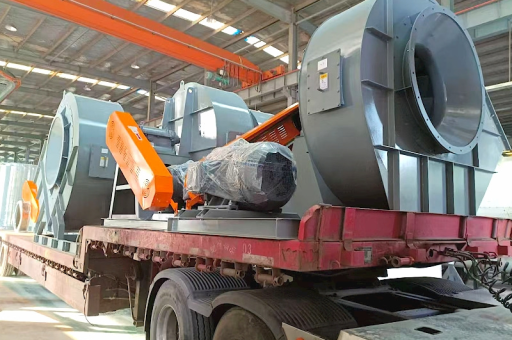
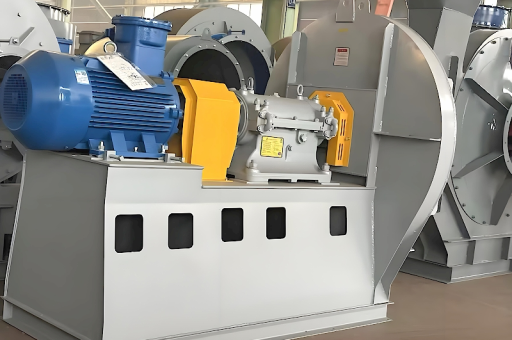
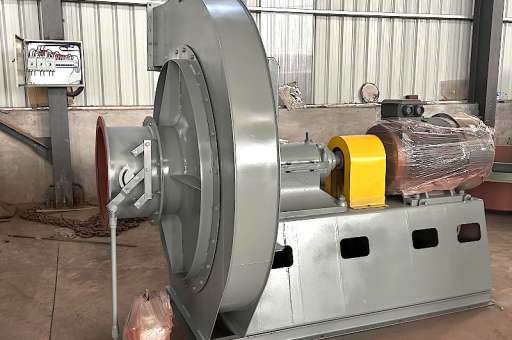
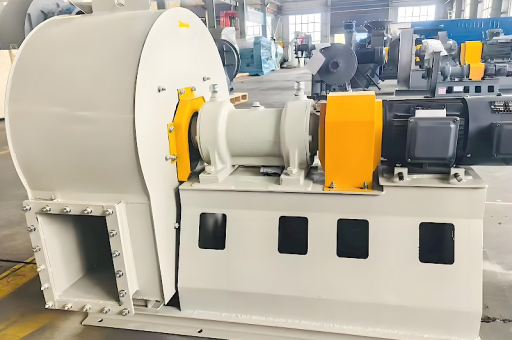
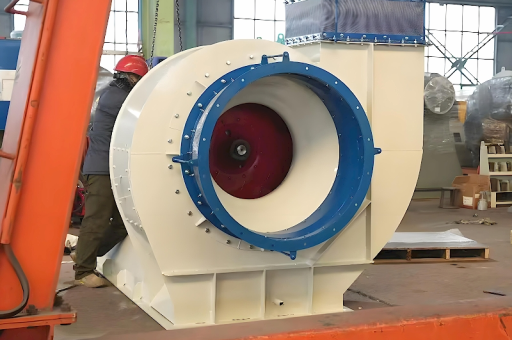
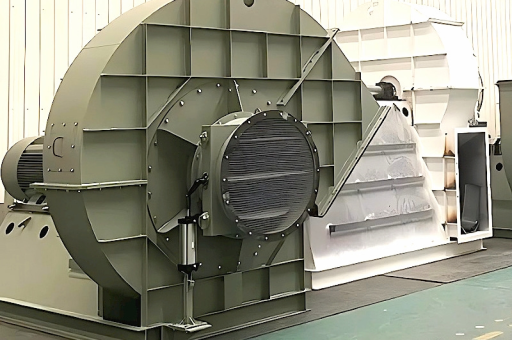
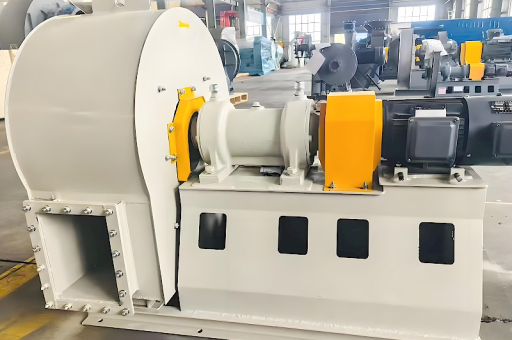
A 22kW stainless steel high-pressure blower is a heavy-duty industrial air-moving device engineered to generate significant pressure differentials—typically ranging from 200 mbar to over 600 mbar—while moving large volumes of air or gas. The “22kW” refers to the motor power (approximately 29.5 HP), indicating a unit capable of sustained high-output operation in demanding environments.
What sets this blower apart is its stainless steel impeller, volute casing, and mounting components. Unlike standard carbon steel or cast-iron blowers, stainless steel (commonly SS304 or SS316) offers superior corrosion resistance, making it ideal for aggressive environments such as chemical processing, wastewater treatment, food production, and marine applications.
In this article, we will dissect every aspect of the 22kW stainless steel high-pressure blower—from technical specifications to real-world maintenance—so you can make an informed purchasing decision.
Key Technical Specifications and Performance Metrics
To understand how a 22kW stainless steel high-pressure blower fits into your system, you must first evaluate its core parameters.
| Specification | Typical Value (22kW Model) | Notes |
|---|---|---|
| Power Rating | 22 kW (29.5 HP) | Motor efficiency IE3 or IE4 |
| Max Pressure | 500–650 mbar | Depending on impeller design |
| Max Airflow | 800–1500 m³/h | Varies with pressure point |
| Impeller Material | SS304 or SS316 | AISI standard |
| Inlet/Outlet Size | DN100 to DN150 | Flanged or threaded |
| Noise Level | 72–85 dB(A) | With silencer; compliant with ISO 3744 |
| Operating Temperature | -20 °C to +80 °C | Higher grade seals available |
Why does this matter?
A 22kW unit sits at the sweet spot between medium-power blowers (7.5kW–15kW) and ultra-high-power units (30kW+). It provides enough capacity for central vacuum systems, pneumatic conveying lines, aeration in wastewater lagoons, and industrial ventilation loops—without the corresponding spike in electrical infrastructure costs.
Example Scenario:
In a pneumatic conveying system moving plastic pellets over 150 meters horizontally, a 22kW stainless steel blower delivers consistent 0.5 bar gauge pressure while resisting abrasive wear from pellet friction.
Why Stainless Steel Construction Matters
Stainless steel is not just a material upgrade—it is often a process requirement. Here is why:
1 Corrosion Resistance
In environments where moisture, acidic vapors, chlorine (from water treatment), or salt (marine air) are present, carbon steel blowers can fail within months due to pitting and rust. Stainless steel, especially grade SS316 with molybdenum, withstands chlorides and mild acids.
2 Hygiene and Cleanability
For food, pharmaceutical, and semiconductor applications, the smooth, non-porous surface of stainless steel prevents bacterial growth and facilitates cleaning with aggressive detergents (CIP/SIP cycles).
3 Temperature Stability
Stainless steel retains mechanical strength at elevated temperatures better than aluminum or cast iron. If your process air reaches 100 °C (212 °F), a stainless steel blower maintains impeller integrity.
4 Spark-Resistant and Safe
In explosive gas environments (ATEX Zone 1/2), stainless steel reduces the risk of ignition from friction sparks compared to aluminum.
Real-world case: A European brewery replaced aluminum blowers on its wort aeration system with 22kW stainless steel units. The result: zero corrosion failures in two years, whereas aluminum units had required replacement every 18 months.
Common Industrial Applications
The 22kW stainless steel high-pressure blower is not a niche product—it appears in dozens of heavy industries.
| Industry | Application | Why Stainless Steel? |
|---|---|---|
| Wastewater Treatment | Diffused aeration in biological reactors | H₂S and chlorine cause rapid corrosion in cast iron |
| Chemical Processing | Pneumatic conveying of hygroscopic powders | Prevents contamination and rust particles from entering product |
| Food & Beverage | Air blow-off for drying bottles/cans, CIP drying | FDA/USDA 3-A sanitary requirements |
| Marine | Ventilation of ballast tanks, engine rooms | Salt spray resistance |
| Manufacturing | Vacuum hold-down on CNC routers, suction cups | Long service life in dusty, humid shops |
| Power Generation | Flue gas recirculation, ash handling | High-temperature flue gas with acidic condensate |
Key Feature: Because the 22kW blower is frequency-drive compatible (VFD), it can adjust speed to match varying process demands, saving energy and reducing mechanical stress.
Installation Best Practices
Installing a 22kW stainless steel high-pressure blower correctly is critical for both performance and longevity.
- Foundation: Use a vibration-dampening base plate. The 22kW motor creates substantial inertia; a rigid concrete base with rubber mounts reduces noise and bearing wear.
- Piping Layout: Avoid sudden 90-degree elbows near the inlet/outlet. A straight pipe run of at least 5 diameters helps stabilize flow and reduces turbulence.
- Inlet Filtration: Always install a stainless steel mesh filter (20–50 micron) on the intake. Debris ingested at high speed can damage the impeller.
- Electrical: The motor requires proper overload protection (circuit breaker + thermal relay). For VFD operation, use a sine-wave filter to prevent motor winding insulation stress.
- Drainage: If air contains condensation (e.g., after coolers or humid intake), install a condensate drain at the lowest point of the discharge line.
Typical Mistake: Many operators place the blower indoors without adequate ventilation. Even with high efficiency, a 22kW motor rejects 1.5–2 kW of heat into the ambient air. In a closed room, temperature rise can shorten motor life dramatically.
Maintenance and Troubleshooting
Maintenance Schedule
| Interval | Task |
|---|---|
| Daily | Check vibration levels (hand or accelerometer); listen for abnormal noise; inspect filter pressure drop |
| Monthly | Grease motor bearings (if relubricable); tighten all flange bolts; check V-belt tension (if belt-driven) |
| Quarterly | Clean impeller through inspection port; measure current draw per phase; verify VFD parameter settings |
| Annually | Replace air filter; check impeller clearance; measure shaft alignment; perform insulation resistance test on motor |
Common Problems and Fixes
Problem 1: Low airflow or pressure
- Check blocked filter → clean or replace
- Measure drive belt slip → retension or replace
- Inspect impeller for dirt build-up → clean using non-abrasive brush
Problem 2: Excessive noise or vibration
- Check mounting bolts → tighten
- Measure bearing condition → replace if roughness or play exceeds limits
- Inspect for foreign object damage in impeller → repair or balance
Problem 3: Motor overheating
- Verify cooling fan is unobstructed
- Check voltage phase imbalance (should be <2%)
- Reduce VFD acceleration time to avoid excessive current spikes
Comparison with Cast Iron and Aluminum Blowers
| Feature | 22kW Stainless Steel | 22kW Cast Iron | 22kW Aluminum |
|---|---|---|---|
| Corrosion Resistance | Excellent (SS316) | Poor (requires coating) | Moderate |
| Max Operating Temp | Up to 180 °C (SS316) | ~120 °C | ~100 °C |
| Weight | Heavy (approx. 120–180 kg) | Very Heavy (250+ kg) | Light (80–120 kg) |
| Cost | Medium-High | Low-Medium | Medium |
| Hygiene | Excellent (smooth surface) | Poor (porous) | Good |
| Spark Risk | Low | Medium | High (aluminum can spark) |
When to Choose Stainless?
If your process involves corrosive gases, high humidity, or food contact, stainless steel is the only choice that ensures long-term reliability. For clean, dry air with minimal corrosion risk, cast iron or aluminum may be acceptable at lower cost.
Frequently Asked Questions (FAQ)
Q1: Can a 22kW stainless steel blower run continuously 24/7?
Yes, provided it is correctly sized for the duty point (within the safe operating range on the performance curve), and is equipped with proper cooling and maintenance. Many industrial installations run for decades with scheduled bearing replacements.
Q2: Is a VFD always required?
Not always, but strongly recommended. Running the blower at full speed when only 60% flow is needed wastes energy. A VFD reduces speed, saving electricity and extending motor and bearing life.
Q3: How loud is a 22kW stainless steel blower?
At full load without a silencer, expect 80–85 dB(A). With an inlet silencer (usually included or optional), noise drops to 72–78 dB(A). For operator comfort, additional sound enclosures are recommended.
Q4: Can it handle abrasive dust?
Stainless steel is harder than aluminum but softer than hardened tool steel. For highly abrasive materials (cement, fly ash), consider a stainless steel blower with replaceable wear plates or a tungsten carbide coating on the impeller.
Q5: What is the typical lead time?
Standard 22kW stainless steel blowers (SS304, non-ATEX) are usually available in 2–4 weeks from major manufacturers. Custom versions (SS316, special shaft seals, high-temperature handling) may require 6–10 weeks.
Q6: How to calculate total installed cost?
Sum of: blower unit price + VFD (if applicable) + inlet filter + silencer + pipe adapters + shipping + installation labor + first year spare parts. Expect the installed cost to be 1.5x to 2.2x the blower list price.
Conclusion: Is This Blower Right for Your Operation?
The 22kW stainless steel high-pressure blower is a versatile, durable workhorse for industries that cannot tolerate downtime caused by corrosion or contamination. Its key strengths:
- Corrosion resistance from premium stainless steel grades
- High power density (22kW delivers substantial pressure and flow in a compact frame)
- VFD compatibility for energy savings and process flexibility
- Wide temperature range suited for harsh environments
However, it comes at a higher initial cost than cast iron or aluminum alternatives. If your process air is clean and dry, a lower-cost material may suffice. But if you prioritize reliability, hygiene, and resistance to corrosive attack, the stainless steel blower is the only logical choice—and buying one will reduce your total lifetime cost of ownership by avoiding frequent replacements, lost production, and product contamination.
Before purchasing, always consult the manufacturer’s performance curve for your specific pressure and flow requirements, and verify compatibility with your motor starter (VFD or DOL). With proper selection and installation, a 22kW stainless steel high-pressure blower will serve your operation for 10–15 years with minimal intervention.