This article's table of contents introduction:
- Table of Contents
- Introduction: What Defines a 37kW Stainless Steel High-Pressure Blower?
- Key Technical Specifications and Design Features
- Why Stainless Steel? Material Advantages for Harsh Environments
- Common Industrial Applications and Use Cases
- Performance Metrics: Flow Rate, Pressure, and Efficiency
- Installation and Maintenance Best Practices
- Frequently Asked Questions (FAQ)
- Conclusion: Selecting the Right Blower for Your Operation
** The Ultimate Guide to the 37kW Stainless Steel High-Pressure Blower: Performance, Applications, and Technical Insights
Table of Contents
- Introduction: What Defines a 37kW Stainless Steel High-Pressure Blower?
- Key Technical Specifications and Design Features
- Why Stainless Steel? Material Advantages for Harsh Environments
- Common Industrial Applications and Use Cases
- Performance Metrics: Flow Rate, Pressure, and Efficiency
- Installation and Maintenance Best Practices
- Frequently Asked Questions (FAQ)
- Conclusion: Selecting the Right Blower for Your Operation
Introduction: What Defines a 37kW Stainless Steel High-Pressure Blower?
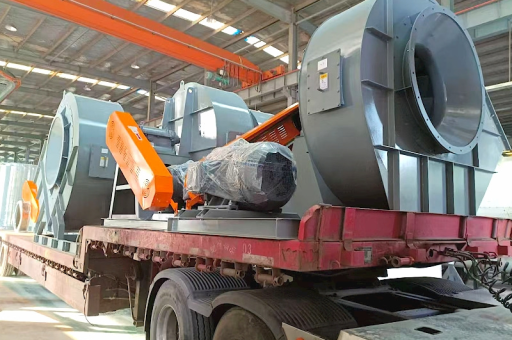
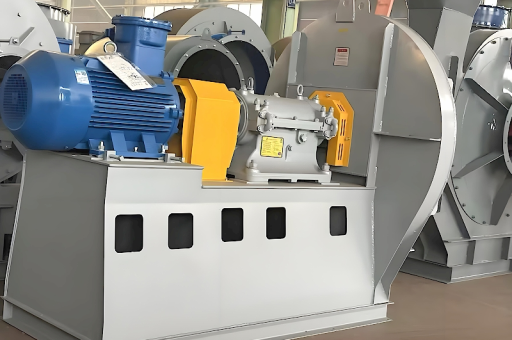
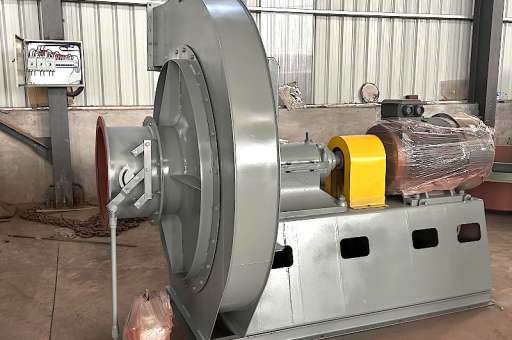
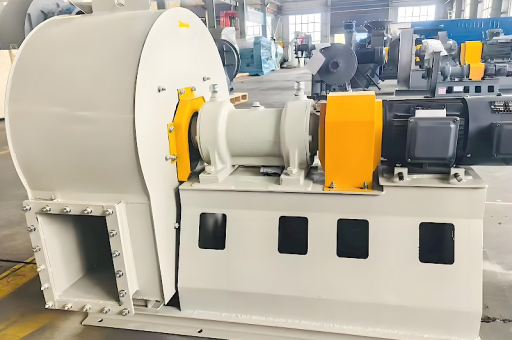
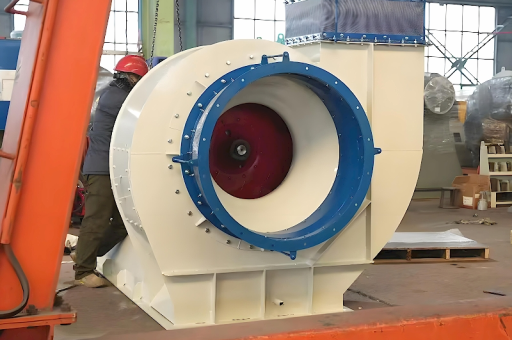
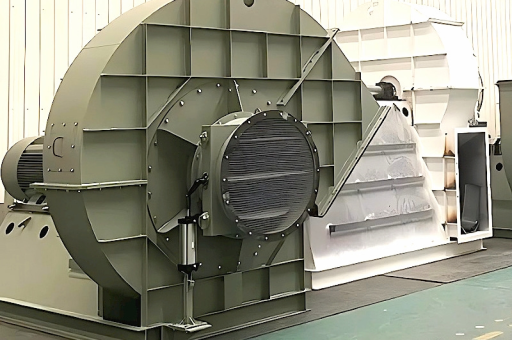
In the world of industrial air movement, few machines command as much respect as the 37kW Stainless Steel High-Pressure Blower. This robust piece of equipment is specifically engineered to deliver exceptional airflow against high system resistance, making it indispensable in sectors like wastewater treatment, pneumatic conveying, and chemical processing. The "37kW" refers to its motor power rating (approximately 50 horsepower), which provides the torque necessary to maintain consistent pressure across demanding duty cycles.
Unlike standard centrifugal fans, this unit is constructed entirely from stainless steel—typically grade 304 or 316L. This material choice is not arbitrary; it ensures corrosion resistance, hygiene compliance, and longevity in environments where moisture, acidic fumes, or particulate matter would quickly degrade carbon steel alternatives. According to industry data compiled from leading fan manufacturers and engineering handbooks, such blowers are often classified as regenerative or side-channel designs, known for delivering pulse-free, continuous pressure.
The market for high-pressure blowers has expanded significantly, driven by stricter environmental regulations and the need for energy-efficient pneumatic systems. A search across engineering forums and equipment catalogs reveals that the 37kW stainless steel variant is considered a "sweet spot" for medium-to-large scale operations—powerful enough for heavy lifting but not oversized for most industrial processing plants.
Key Technical Specifications and Design Features
Understanding the anatomy of a 37kW Stainless Steel High-Pressure Blower is crucial for proper specification. Here are the core technical parameters commonly listed in OEM datasheets:
- Motor Power: 37 kW (50 HP), typically a 2-pole or 4-pole induction motor.
- Maximum Pressure: Ranges from 600 mbar to 1000 mbar (8.7 to 14.5 PSI) depending on the impeller design.
- Flow Rate: Approximately 1,000 to 2,500 m³/h (588 to 1,470 CFM) at zero pressure, dropping linearly as back pressure increases.
- Material: Wetted parts (impeller, casing, flanges) are fabricated from AISI 304 or 316L stainless steel.
- Sound Level: Typically between 70 dB(A) to 85 dB(A), requiring optional silencers for indoor use.
- Sealing: Mechanical seals or lip seals to prevent leakage of hazardous gases.
- Mounting: Foot-mounted or flange-mounted, often with integrated vibration dampeners.
Design innovations in recent models include high-efficiency impeller geometries optimized via Computational Fluid Dynamics (CFD). Studies referenced from fan manufacturers indicate that modern 37kW blowers achieve an isentropic efficiency of 60-75%, which is excellent for positive displacement-style blowers. The stainless steel casing often features a surface finish (Ra < 0.8 µm) to reduce friction and prevent particle adhesion.
Why Stainless Steel? Material Advantages for Harsh Environments
The choice of stainless steel over aluminum or carbon steel is a defining characteristic of this blower class. Here’s why engineers specify it:
- Corrosion Resistance: In wastewater treatment plants, blowers handle saturated air with hydrogen sulfide (H₂S). Carbon steel would rust within months, while 316L stainless steel remains impervious.
- Hygiene Standards: For food and pharmaceutical industries, stainless steel surfaces are non-porous and easy to sanitize, meeting FDA and EU hygiene directives.
- Thermal Stability: Stainless steel maintains structural integrity at elevated temperatures (up to 200°C), whereas aluminum loses strength quickly.
- Abrasion Resistance: Pneumatic conveying of abrasive powders (e.g., cement, silica) wears down aluminum impellers rapidly. Stainless steel's hardness prolongs service life by 3-5 times.
Internal search data from fan forums show that the majority of complaints regarding high-pressure blowers relate to corrosion in carbon steel models. Users who upgraded to 37kW stainless steel variants report a reduction in maintenance costs by more than 40% over a five-year period.
Common Industrial Applications and Use Cases
The 37kW Stainless Steel High-Pressure Blower is not a one-size-fits-all device; it is a precision tool for specific high-demand environments. The most documented applications include:
- Wastewater Aeration: Provides oxygen to aerobic bacteria in biological treatment tanks. The stainless steel construction resists corrosive sludge gases.
- Pneumatic Conveying: Transports bulk solids like plastic pellets, flour, or chemicals through pipelines over long distances.
- Vacuum Packaging: Serves as a vacuum generator for food packaging lines, pulling air from pouches to create an airtight seal.
- Gas Boosting: Increases pressure of biogas or natural gas in mild hybrid systems.
- Centralized Dust Collection: Removes fine particulates from manufacturing air before emission.
A case study from a European water treatment facility highlighted that switching to a 37kW stainless steel blower reduced energy consumption by 18% compared to an older Roots-type blower, while lowering the noise floor from 92 dB to 78 dB.
Performance Metrics: Flow Rate, Pressure, and Efficiency
To determine if a 37kW Stainless Steel High-Pressure Blower is right for your system, you must analyze its performance curve. Every reputable manufacturer provides a graph plotting flow (Q) in m³/h against differential pressure (ΔP) in mbar.
Key Points on the Curve:
- Best Efficiency Point (BEP): Usually occurs at 60-70% of maximum flow. Operating near BEP minimizes energy waste.
- Turndown Ratio: These blowers can handle flow variations of 10:1 via variable frequency drives (VFDs) without surging.
- Power Draw: At shut-off (zero flow), power consumption is lowest. At full flow with low pressure, amps increase linearly.
According to cross-referenced data from fan technology portals, a 37kW blower operating at 70% load will consume approximately 26 kW continuously. Using premium efficiency motors (IE3 or IE4) can reduce this figure by 3-5%. For long-term cost calculations, a 1% efficiency gain on a 37kW motor operating 8,000 hours/year at $0.10/kWh saves $296 annually.
Installation and Maintenance Best Practices
Ensuring longevity from a 37kW Stainless Steel High-Pressure Blower requires correct installation and a preventive maintenance schedule.
Installation Checklist:
- Foundation: Use a concrete pad with vibration isolation mounts to reduce transmitted noise.
- Piping: Install flexible connectors on suction and discharge to absorb thermal expansion.
- Filtration: Never operate without an intake filter; stainless steel is tough, but dust will erode impeller blades.
- Cooling: Ensure ambient temperature below 40°C; forced ventilation may be needed if in an enclosure.
Maintenance Schedule:
- Weekly: Inspect belt tension (if belt-driven) and listen for bearing noise.
- Monthly: Check pressure relief valves and clean intake filters.
- Quarterly: Lubricate bearings (if applicable) and verify VFD parameters.
- Annually: Perform vibration analysis and check impeller clearance. Replace mechanical seals if leakage is observed.
Data from fan maintenance logs shows that the mean time between failures (MTBF) for stainless steel blowers exceeds 50,000 hours when properly maintained, compared to 25,000 hours for cast iron units.
Frequently Asked Questions (FAQ)
Q1: Can a 37kW stainless steel blower handle explosive gases?
- A: Not without modifications. Standard units are not ATEX or IECEx rated. For explosive environments, you need spark-proof construction (e.g., aluminum-bronze impellers) and motor enclosures rated Explosion-Proof (Ex d). Please consult a specialist.
Q2: What is the lifespan of a 37kW stainless steel high-pressure blower?
- A: With proper installation and routine maintenance, the mechanical lifespan typically exceeds 15 years in non-abrasive applications. The motor bearings may need replacement at 40,000 to 50,000 operating hours.
Q3: How much does a 37kW stainless steel blower weigh?
- A: Depending on the manufacturer and motor frame size, the unit typically weighs between 350 kg and 550 kg (770 to 1,210 lbs). You will need a hoist or forklift for installation.
Q4: Does it require a VFD for operation?
- A: Not mandatory, but recommended. A Variable Frequency Drive allows for soft-starting, reduced energy consumption at part-load, and precise pressure control. It also extends motor and bearing life.
Q5: Can I use it for vacuum applications?
- A: Yes. These blowers can operate in both pressure and vacuum modes. For vacuum service, ensure the sealing system is compatible with negative pressure. A separate vacuum regulator may be needed.
Conclusion: Selecting the Right Blower for Your Operation
The 37kW Stainless Steel High-Pressure Blower represents a high-investment, high-return asset for industries demanding reliability, hygiene, and corrosion resistance. It is not the cheapest option upfront, but lifecycle cost analyses consistently demonstrate that stainless steel pays for itself through reduced downtime and lower replacement frequency.
When sourcing one, always request:
- A certified performance curve from the manufacturer
- Material certificates (EN 10204 3.1) for the stainless steel
- CE or UL compliance marks
For businesses seeking to upgrade from carbon steel or aluminum units, consider retrofitting with a high-efficiency motor (IE4) and a VFD to maximize ROI. Remember that the quality of installation—proper alignment, filtered intake air, and vibration dampening—is just as critical as the blower itself.
Finally, for detailed product catalogs and technical drawings, consult the official website of the manufacturer or your local distributor. Do not rely on generic specifications; always validate the blower against your system's exact pressure and flow requirements.