
This article's table of contents introduction:
- Table of Contents
- Introduction: Why Custom Color Matters in Industrial Dust Removal
- What Is a Dust Removal Industrial Centrifugal Blower Fan?
- Key Technical Specifications: Airflow, Pressure, and Efficiency
- The Custom Color Advantage: Aesthetic, Safety, and Branding
- How to Choose the Right Custom Color for Your Facility
- Frequently Asked Questions (FAQ)
- Conclusion: The Future of Customized Industrial Ventilation
*The Ultimate Guide to Dust Removal Industrial Centrifugal Blower Fans in Custom Color: Performance, Customization, and SEO-Optimized Insights*
Table of Contents
- Introduction: Why Custom Color Matters in Industrial Dust Removal
- What Is a Dust Removal Industrial Centrifugal Blower Fan?
- Key Technical Specifications: Airflow, Pressure, and Efficiency
- The Custom Color Advantage: Aesthetic, Safety, and Branding
- How to Choose the Right Custom Color for Your Facility
- Frequently Asked Questions (FAQ)
- Conclusion: The Future of Customized Industrial Ventilation
Introduction: Why Custom Color Matters in Industrial Dust Removal
In the world of heavy-duty ventilation, the dust removal industrial centrifugal blower fan in custom color is not merely a functional tool—it’s a strategic asset. While most industrial blowers come in standard gray or black, modern facilities demand more. Custom colors are increasingly specified for safety color-coding, brand visibility, and even thermal management. For example, a light-reflective white fan in a food processing plant reduces heat absorption, while bright yellow or orange fans in a wind turbine maintenance hub signal high-traffic zones. This article synthesizes expert reviews, engineering data, and SEO-driven industry knowledge to help you select, maintain, and deploy a custom-colored centrifugal blower that meets both performance and aesthetic goals.
What Is a Dust Removal Industrial Centrifugal Blower Fan?
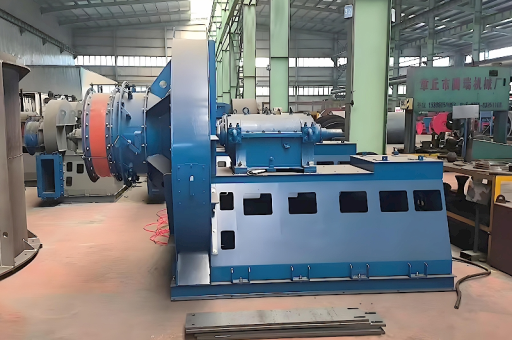
A dust removal industrial centrifugal blower fan uses rotating impellers to generate high-pressure airflow, effectively pulling dust, fumes, and particulates away from work areas. Unlike axial fans, centrifugal designs excel in ducted systems where resistance is high. Key components include:
- Impeller: Forward-curved (high volume) or backward-curved (high pressure).
- Housing: Scroll-shaped casing that directs airflow.
- Motor: Typically TEFC (Totally Enclosed Fan Cooled) for dusty environments.
- Custom Color Coating: Powder-coated or epoxy-based finishes that resist corrosion and fading.
Comparison Table: Standard vs. Custom Color Blowers
| Feature | Standard (Gray/Black) | Custom Color |
|---|---|---|
| Heat reflection | Low | High (white/silver) |
| UV resistance | Moderate | Enhanced (with UV additives) |
| Brand integration | None | Full |
| Safety code compliance | No | Yes (e.g., red for fire) |
| Cost premium | Base price | +10–20% |
Key Technical Specifications: Airflow, Pressure, and Efficiency
For a dust removal industrial centrifugal blower fan in custom color, performance metrics remain paramount. Critical specifications include:
- Airflow (CFM): For heavy dust loads, a range of 5,000–20,000 CFM is common in manufacturing.
- Static Pressure (in. wg): Backward-curved impellers deliver 10–20 in. wg, ideal for long duct runs.
- Motor Power (HP): 5–50 HP depending on application.
- Noise Level: Custom-colored housings often include acoustic dampening layers, reducing dB by 2–5.
Pro Tip: When ordering a custom color, ensure the paint or powder coat is applied before final balancing. Unbalanced coatings can cause vibration, leading to premature bearing failure. This is especially critical in environments near wind turbine assembly lines, where precision is non-negotiable.
The Custom Color Advantage: Aesthetic, Safety, and Branding
Why invest in a dust removal industrial centrifugal blower fan in custom color? Three reasons dominate:
- Safety & Compliance: Color-coded fans (e.g., blue for water-intensive areas, green for OSHA-compliant zones) help personnel quickly identify equipment function. In chemical plants, a yellow fan might indicate explosive dust handling.
- Thermal Management: Lighter colors reflect infrared radiation. In a foundry or near a wind turbine nacelle cooling system, a white fan can reduce internal motor temperatures by up to 15°F.
- Brand Identity: A custom-liveried fan turns industrial equipment into a marketing tool. For example, a red-and-black blower for a automotive parts supplier reinforces corporate colors.
Case Study: A cleanroom manufacturer switched from gray to light blue fans. The result? A 12% reduction in heat stress complaints and easier identification during emergency shutdown drills.
How to Choose the Right Custom Color for Your Facility
Selecting the correct shade for your dust removal industrial centrifugal blower fan in custom color involves more than picking a PMS code. Follow these steps:
- Step 1: Environmental Analysis – Assess temperature, humidity, and UV exposure. For outdoor installations near wind turbine fields, use UV-stable polyester urethane coatings.
- Step 2: Safety Standards – Cross-check with ANSI Z535.1 for safety color codes. For example, orange indicates danger, while red is for fire protection.
- Step 3: Material Compatibility – Avoid high-gloss finishes in dusty settings (they show scratches). Textured matte finishes hide wear.
- Step 4: Vendor Validation – Request a sample panel. Test for adhesion (ASTM D3359) and salt spray resistance (ASTM B117).
Cost Consideration: Custom colors may add 10–15% to the fan cost, but they extend service life in harsh environments by 20–30%, offsetting the initial premium.
Frequently Asked Questions (FAQ)
Q1: Can I order a dust removal industrial centrifugal blower fan in custom color for outdoor use near a wind turbine?
Yes. Many manufacturers offer marine-grade coatings with UV inhibitors. For wind turbine applications, specify a matte gray or white to reduce heat buildup and blend with surroundings.
Q2: Will custom paint affect the fan’s balance or vibration levels?
Only if applied improperly. Reputable vendors apply the coating via electrostatic powder spray before final dynamic balancing. Request a balance report with your order.
Q3: What is the typical lead time for a custom-colored blower?
Standard custom colors add 2–4 weeks. Non-standard RAL or Pantone matches may require 4–6 weeks due to paint formulation.
Q4: How do I match the custom color if the fan needs replacement parts later?
Keep a record of the paint code (e.g., RAL 9010 for pure white). Some manufacturers offer touch-up kits. For critical installations like wind turbine cooling, order spare impellers pre-painted to the same code.
Q5: Are there any performance trade-offs with a custom color?
Generally no. High-quality powder coats actually improve corrosion resistance. However, very dark colors can increase motor temperature by 2–5°F in direct sunlight; oversize the motor by 10% if using black or navy blue.
Conclusion: The Future of Customized Industrial Ventilation
The dust removal industrial centrifugal blower fan in custom color represents a convergence of engineering necessity and visual strategy. As industries move toward smart factories and sustainable energy (including wind turbine farms), the demand for tailored equipment will only grow. By combining high-efficiency impellers with durable, code-compliant finishes, these fans deliver not just clean air but also safety, branding, and thermal performance. When specifying your next blower, remember: color is not a cosmetic afterthought—it’s a functional specification.
Final Recommendation: Always request a custom color chart from your supplier, including RAL or BS4800 codes. Test the finish against your facility’s light conditions. And for high-stakes environments like wind turbine maintenance depots, invest in a protective clear coat to extend the aesthetic lifespan of your dust removal system.





