This article's table of contents introduction:
- What does 31,000 m³/h mean?
- Typical Applications for a 31,000 m³/h Fan
- Critical Questions to Answer Before Buying
- Example Specification for a 31,000 m³/h Fan
- Actionable Steps
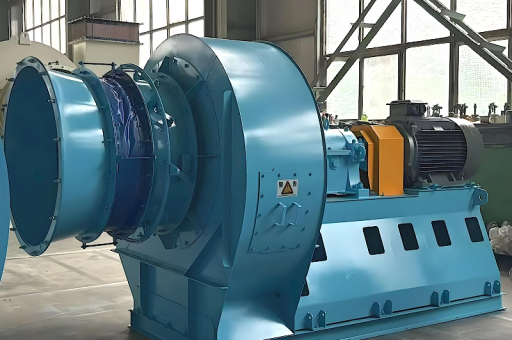
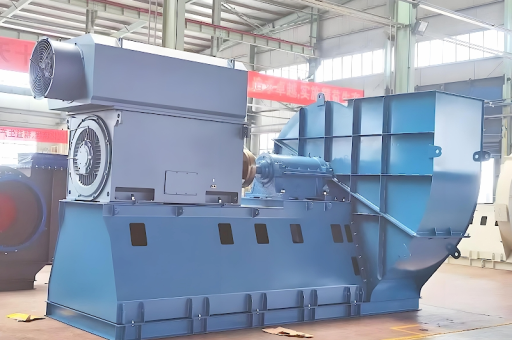
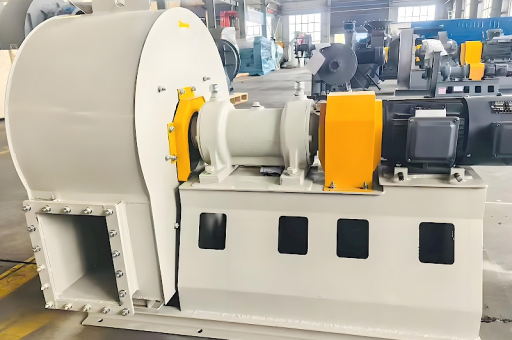
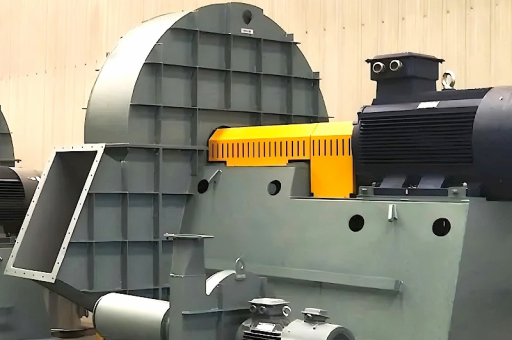
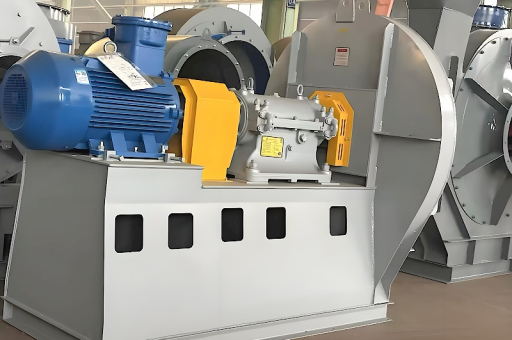
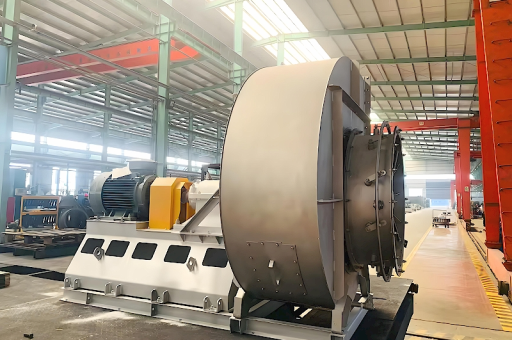
This is a specification for a large industrial exhaust fan. To give you the most helpful information, I will break down what 31,000 m³/h means, typical applications for this size, and the critical specifications you need to consider when selecting or sourcing this fan.
What does 31,000 m³/h mean?
- m³/h (Cubic meters per hour): This is the Airflow (Volume Flow Rate) . 31,000 m³/h is a very high volume of air.
- Conversion:
- 18,261 CFM (Cubic Feet per Minute) – This is the common US/Imperial unit.
- 6 m³/s – Cubic meters per second.
- Speed Equivalent: This fan would completely empty a standard 10m x 10m x 5m workshop (500 m³) in less than 1 minute.
Typical Applications for a 31,000 m³/h Fan
This is not a small ventilation fan. It is a heavy-duty industrial fan used for:
- Dust Collection Systems: Primary exhaust for baghouses, cartridge collectors, or cyclone systems (as the title states).
- Industrial Ventilation: Exhaust for large factories, welding booths, paint spray booths, or chemical processing plants.
- Mining & Tunnels: For ventilation in underground operations or tunnels.
- HVAC (Large Commercial): Exhaust for parking garages, large warehouses, or shopping malls.
Critical Questions to Answer Before Buying
You cannot simply buy "a 31,000 m³/h fan." You need three key pieces of information to match the fan to your system.
Static Pressure (The most important factor)
This is the resistance the fan must overcome (ductwork, filter bags, cyclones, louvers). A fan moving 31,000 m³/h at 500 Pa (2 in. w.g.) is very different from one moving the same air at 3000 Pa (12 in. w.g.) .
- Low Pressure (500-1000 Pa): Simple ducted exhaust, no heavy filtration. (Often an Axial or Tube Axial fan).
- Medium Pressure (1000-2000 Pa): Standard baghouse or cartridge collector. (Often a Backward Inclined or Airfoil Centrifugal fan).
- High Pressure (2000-4000+ Pa): Long duct runs, dense filter media, or pneumatic conveying. (Requires a heavy-duty Radial or Paddle Wheel centrifugal fan).
Fan Type (Based on Static Pressure)
| Fan Type | Typical Application | Notes |
|---|---|---|
| Centrifugal (Backward Inclined) | Most common for 31k m³/h dust. | High efficiency, non-overloading power curve. Good for medium pressure. |
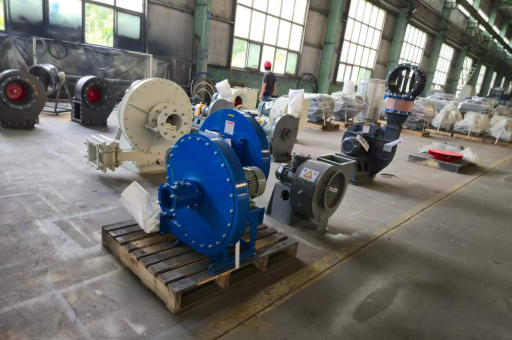
| Centrifugal (Radial / Paddle Wheel) | Heavy dust, sticky material, high pressure. | Handles particulate well, but lower efficiency. |
| Axial (Vaneaxial) | Low pressure, high volume (e.g., simple building exhaust). | Usually not suitable for dust collectors with high filter resistance. |
| Plug Fan | Used in "internal" setups inside an air handler. | Compact, but usually for clean air. |
Air Material Condition
- Clean Air: Standard mild steel wheel.
- Dusty Air: Requires a Radial Tip or Paddle Wheel to prevent clogging and resist wear.
- Explosive Dust (Grain, Wood, Metal): Requires a spark-resistant construction (e.g., aluminum wheel, non-ferrous lining) and potentially an ATEX (Europe) or NFPA (USA) compliant motor/drive.
- Corrosive Fumes: Requires FRP (Fiberglass) or Stainless Steel construction.
Example Specification for a 31,000 m³/h Fan
To source this fan correctly, you need a spec sheet. Here is a realistic example for a woodworking dust collector:
- Airflow: 31,000 m³/h (18,261 CFM)
- Static Pressure: 2,000 Pa (8 in. w.g.)
- Fan Type: Centrifugal, Backward Inclined (or Radial tipped for heavy wood chips).
- Material: Carbon steel (standard). Spark-resistant wheel (aluminum) for wood dust.
- Motor Power: 22 kW - 37 kW (30 - 50 HP). This is a large motor. The exact power depends on the efficiency and pressure.
- Speed: ~1100 - 1500 RPM (via VFD or pulley drive).
- Inlet/Outlet: Usually 560mm - 710mm diameter duct connection.
- Drive: Belt drive (most common) or Direct drive (via VFD).
Actionable Steps
- Calculate Total Static Pressure: Add up the pressure drop of your filter bags (new and dirty), ductwork (longest run), cyclones, and any other components.
- Determine Material: What is the dust/fume? (e.g., "Clean air," "Cement dust," "Paint fumes," "Wood chips").
- Select Fan Type: Use the table above. For most 31k m³/h dust collectors, a Backward Inclined Centrifugal Fan is the best balance of cost, efficiency, and durability.
- Contact a Supplier: Send them the Airflow (31,000 m³/h), Static Pressure (your calculated number), and Material characteristics. They will provide a Selection Curve showing the exact fan model, RPM, power, and efficiency.