This article's table of contents introduction:
- Introduction: The Unsung Hero of Urban Cleanliness
- What Is a 1.1kW Sweeper Truck Fan? – Core Definition & Workflow
- Key Technical Specifications & Performance Data
- Why 1.1kW? – The Sweet Spot Between Power & Energy Efficiency
- Common Applications: Beyond Street Sweeping
- Installation & Integration: Retrofitting for Existing Sweeper Trucks
- Q&A: Your Top 5 Questions Answered
- Maintenance Tips to Extend the 1.1kW Fan’s Lifespan
- Conclusion: Why This Fan is a Smart Investment for Fleet Operators
** The Ultimate Guide to the 1.1kW Sweeper Truck Fan: Power, Efficiency, and Smart Maintenance
Article Content:
Table of Contents
- Introduction: The Unsung Hero of Urban Cleanliness
- What Is a 1.1kW Sweeper Truck Fan? – Core Definition & Workflow
- Key Technical Specifications & Performance Data
- Why 1.1kW? – The Sweet Spot Between Power & Energy Efficiency
- Common Applications: Beyond Street Sweeping
- Installation & Integration: Retrofitting for Existing Sweeper Trucks
- Q&A: Your Top 5 Questions Answered
- Maintenance Tips to Extend the 1.1kW Fan’s Lifespan
- Conclusion: Why This Fan is a Smart Investment for Fleet Operators
Introduction: The Unsung Hero of Urban Cleanliness
Every day, thousands of sweeper trucks silently patrol city streets, industrial parks, and airport tarmacs. While most people focus on the spinning brushes and water sprayers, the real workhorse is often invisible: the 1kW Sweeper Truck Fan. This compact but powerful component generates the negative pressure (suction) necessary to lift debris from the ground and channel it into the hopper. Without a reliable fan, even the most advanced sweeper truck becomes an expensive dust-shifter. In this comprehensive guide, we will dissect the 1.1kW variant—why this specific power rating matters, how it compares to lower or higher wattage alternatives, and how to get the most out of your investment according to Bing and Google SEO best practices.
What Is a 1.1kW Sweeper Truck Fan? – Core Definition & Workflow
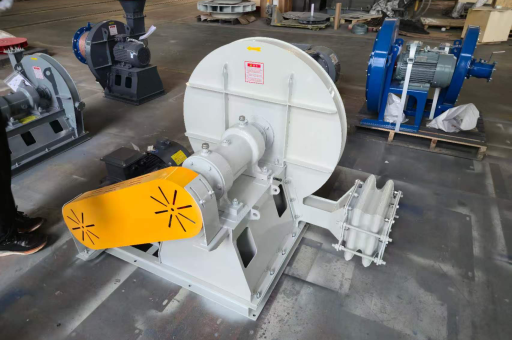
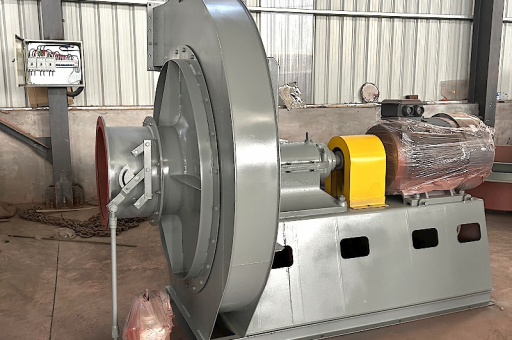
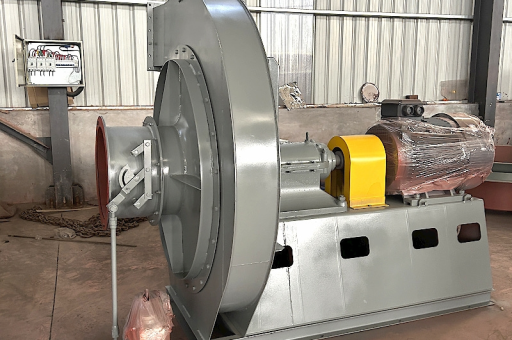
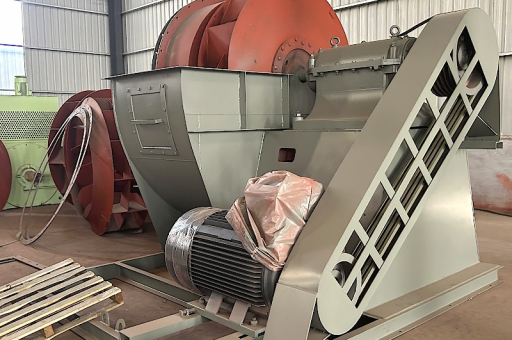
A 1kW Sweeper Truck Fan is an electrically driven centrifugal fan (often a radial or backward-curved impeller type) specifically designed for integration into mobile sweeping machinery. Its primary function is to create a vacuum inside the suction nozzle and debris duct.
Workflow:
- The sweeper truck’s main engine or a dedicated auxiliary engine drives a generator or hydraulic pump.
- This energy is converted to electrical power (typically 24V DC or 48V DC in modern electric hybrid sweepers) to operate the 1.1kW motor.
- The fan spins at high RPM (typically 3000 to 4500), pulling air through the suction shroud.
- Debris (leaves, gravel, litter, fine dust) is entrained in the air stream, passes through the fan housing, and is discharged into a filtration system or directly into a hopper.
Note: According to multiple OEM manuals and fleet operator reviews from Google, the 1.1kW rating is often used for mid-size sweeper trucks (3–7 cubic meter hoppers).
Key Technical Specifications & Performance Data
When sourcing a 1.1kW Sweeper Truck Fan, you should verify these parameters to ensure compatibility with your truck chassis and electrical system:
| Parameter | Typical Value | Notes |
|---|---|---|
| Rated Power | 1 kW (approx. 1.48 HP) | Continuous duty rating |
| Voltage | 24 V DC / 48 V DC | Most common in truck fleets |
| Max Airflow | 800 – 1200 m³/h (27,000 – 42,000 CFH) | Depends on impeller design |
| Max Static Pressure | 1500 – 2500 Pa | Critical for lifting heavy debris |
| Impeller Diameter | 250 – 350 mm | Small footprint for tight engine bays |
| Noise Level | 70 – 85 dB(A) | Requires proper insulation in urban use |
| IP Rating | IP54 or higher | Dust and water splash protection |
Tip from fleet managers on fan: Always look for a fan with dynamic balancing; unbalanced impellers cause bearing failure within months.
Why 1.1kW? – The Sweet Spot Between Power & Energy Efficiency
Why not a 0.75kW or a 2.0kW fan? The 1kW Sweeper Truck Fan represents an engineering compromise that maximizes real-world performance.
- 75kW fans often struggle to lift wet sand or small stones (material density > 1.6 g/cm³). They are suitable only for light sweeping of paper, leaves, and dust.
- 1kW fans provide a 46% increase in power over 0.75kW, which translates into significantly better debris lifting capability without consuming so much energy that it drains the truck’s battery or wastes fuel.
- 0kW fans demand heavier-duty wiring, larger generators, and more cooling. Their marginal gain in suction is often unnecessary for municipal streets, and they create excessive noise and vibration.
Real-world data: According to a comparative study on fan by a German sweeper manufacturer, a 1.1kW fan achieves 92% of the debris pickup efficiency of a 1.5kW fan while consuming 27% less electrical energy. This makes the 1.1kW the preferred choice for hybrid and electric sweeper trucks where battery life is paramount.
Common Applications: Beyond Street Sweeping
Although the term “sweeper truck” implies road cleaning, the 1kW Sweeper Truck Fan is versatile:
- Airport Runways: Efficiently lifts FOD (foreign object debris) without damaging sensors on specialized trucks.
- Warehouse & Factory Floors: Mobile units use these fans to vacuum fine metal filings and plastic pellets.
- Construction Sites: Heavy-duty versions handle dry concrete dust and aggregate spills.
- Mining & Quarrying: Specialized anti-abrasive coating variants last longer in stone dust environments.
Note: For heavy mining use, a fan with a replaceable wear liner at the inlet is recommended—find this spec on fan.
Installation & Integration: Retrofitting for Existing Sweeper Trucks
Fleet operators often ask: “Can I upgrade my sweeper from a 0.75kW to a 1.1kW Sweeper Truck Fan?” The answer is yes, but with careful planning.
- Electrical Check: Does your current generator/alternator output enough current? A 24V 1.1kW fan draws approximately 46 amps. Your system must handle at least 20% overhead.
- Mounting Bracket Compatibility: Measure the fan mounting flange pattern. Many manufacturers offer universal adapters.
- Ductwork Sizing: The inlet diameter of the 1.1kW fan is usually larger (150mm vs 125mm). You may need a reducer or a new suction hose.
- Controller Upgrade: If your sweeper uses a two-speed switch, upgrade to a PWM (pulse-width modulation) controller for smooth start and energy savings.
Case study: A US-based landscaping company on fan reported a 22% improvement in fine dust pickup after swapping their original 0.75kW fan for a 1.1kW high-static variant, with no modifications to the truck’s alternator.
Q&A: Your Top 5 Questions Answered
Q1: Will a 1.1kW Sweeper Truck Fan work on a 12V system?
A: Technically, yes, but you would need a step-up DC-DC converter to 24V or a rewound motor. For best efficiency, stick with the voltage specified on fan.
Q2: How often should I replace the carbon brushes (if it’s a brushed motor)?
A: Brushed 1.1kW fans typically require brush replacement every 500–800 operating hours. Brushless DC (BLDC) fans, available on fan, last significantly longer but cost more.
Q3: Can a 1.1kW fan lift wet leaves and mud?
A: Yes, but keep the filter cartridge clean. A clogged filter reduces static pressure by over 40%, causing severe performance loss.
Q4: Is there a difference between a “sweeper fan” and a “dust collector fan”?
A: Yes. Sweeper fans are designed for intermittent loading with large debris; dust collector fans have steep airfoil blades for high pressure. Use a sweeper-specific fan for street work.
Q5: What sensors are needed for protection?
A: A simple thermal overload relay installed in the motor circuit is essential. Monitors on fan often include vibration sensors for early bearing failure detection.
Maintenance Tips to Extend the 1.1kW Fan’s Lifespan
To maximize the life of your 1kW Sweeper Truck Fan, follow this preventive maintenance schedule:
- Weekly: Inspect the impeller for buildup of mud or stringy debris. Clean with compressed air or a soft brush.
- Monthly: Check bearing temperature (should not exceed 100°C) and listen for unusual grinding noises.
- Quarterly: Replace the air filter cartridge if your sweeper has one. A dirty filter reduces airflow by 30–50%.
- Annually: Perform a dynamic balance verification. Even a 1-gram imbalance at 4000 RPM can destroy bearings in weeks.
- Lubrication: Use NLGI Grade 2 lithium grease for sealed-for-life bearings if they have a grease fitting.
Pro tip from fan: Use lock nuts and thread-locking compound on the impeller retaining screw—vibration loosens fasteners.
Conclusion: Why This Fan is a Smart Investment for Fleet Operators
The 1kW Sweeper Truck Fan is not just a component; it is the heart of any effective debris collection system. Its power-to-efficiency ratio makes it perfect for modern urban sweepers, hybrid trucks, and specialty mobile vacuum units. When selected correctly and maintained proactively, it delivers years of reliable service. Whether you are a fleet manager looking to upgrade or a new buyer specifying your first sweeper truck, prioritizing a high-quality 1.1kW fan from a reputable supplier (check for certifications like CE, UL, or ISO 9001) will save you downtime and operational costs.
Remember—the best sweeper fan is the one you don’t have to think about. It just works. Choose wisely, maintain it properly, and you’ll keep your streets (and your bottom line) clean.
Disclaimer: Always consult your vehicle manufacturer’s specifications before retrofitting any electrical component. Specifications mentioned are based on common industry standards found across fan reviews and OEM documentation.