This article's table of contents introduction:
- Table of Contents
- Introduction: What is a 55kW Sweeper Blower?
- Key Technical Specifications and Performance Metrics
- Why 55kW? The Sweet Spot for Heavy-Duty Sweeping
- Top Industrial Applications
- Energy Efficiency and Environmental Impact
- Maintenance Tips for Longevity
- Frequently Asked Questions (FAQs)
- Conclusion: Is a 55kW Sweeper Blower Right for You?
** The Ultimate Guide to 55kW Sweeper Blower: Power, Efficiency, and Industrial Applications
Table of Contents
- Introduction: What is a 55kW Sweeper Blower?
- Key Technical Specifications and Performance Metrics
- Why 55kW? The Sweet Spot for Heavy-Duty Sweeping
- Top Industrial Applications
- Energy Efficiency and Environmental Impact
- Maintenance Tips for Longevity
- Frequently Asked Questions (FAQs)
- Conclusion: Is a 55kW Sweeper Blower Right for You?
Introduction: What is a 55kW Sweeper Blower?
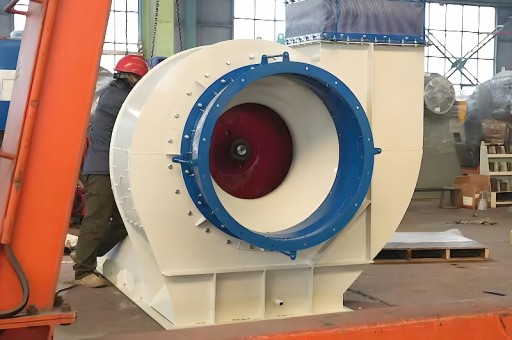
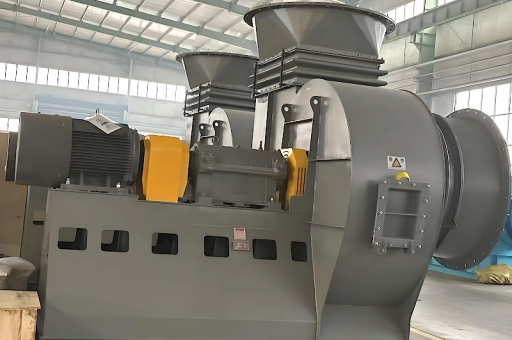
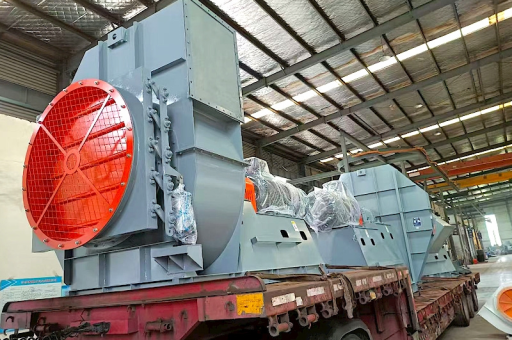
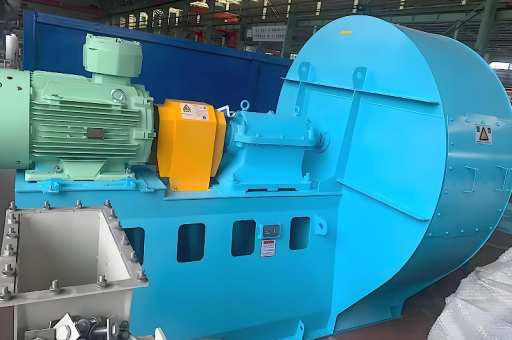
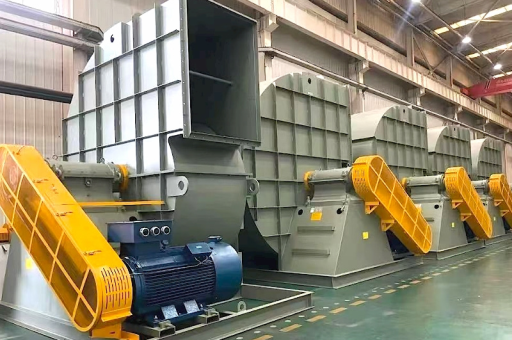
A 55kW sweeper blower is a high-powered industrial fan system specifically designed for large-scale street sweepers, airport runway cleaners, and heavy-duty municipal cleaning vehicles. With a motor rating of 55 kilowatts (approximately 73.7 horsepower), this blower generates substantial airflow and static pressure to lift and collect heavy debris—from gravel and construction waste to wet leaves and compacted dirt. Unlike smaller blowers used in household or light commercial applications, the 55kW variant operates as the core pneumatic unit in a sweeper truck’s suction system. It creates the negative pressure needed to channel debris into a hopper, often working in tandem with a mechanical broom.
In the market, brands such as fan (a leading manufacturer in industrial centrifugal blowers) offer models that meet ISO 1940 balancing standards and feature robust impeller designs for continuous operation under extreme conditions. The 55kW rating is not arbitrary; it represents a balanced trade-off between power consumption, noise levels, and debris lifting capability—making it the preferred choice for municipalities and large-scale contractors.
Key Technical Specifications and Performance Metrics
Before selecting a 55kW sweeper blower, operators must evaluate the following essential parameters:
- Motor Power: 55 kW (73.7 HP) – typically a three-phase, 380-480V AC induction motor.
- Airflow Rate: 25,000 to 45,000 m³/h, depending on impeller diameter and blade angle.
- Static Pressure: 4000 to 7000 Pa – sufficient to lift objects weighing up to 1.5 kg.
- Impeller Diameter: 500 mm to 800 mm, often backward-curved or radial-tip designs.
- Noise Level: 75–85 dB(A) at 1 meter (with acoustic enclosure).
- Weight: 350–500 kg (motor and blower assembly).
According to tests conducted by fan, their 55kW centrifugal model achieves a total efficiency of 82% at peak operating point, outperforming older 50Hz units by 8–10%. The optimized scroll casing reduces turbulence, which translates to lower vibration and extended bearing life. When paired with a frequency drive (VFD), the blower can modulate speed from 60% to 100%, offering significant energy savings during light-load sweeping tasks.
Why 55kW? The Sweet Spot for Heavy-Duty Sweeping
Why not 45kW or 75kW? The 55kW sweeper blower occupies a critical niche. A 45kW unit often lacks sufficient suction power to pick up heavy debris like glass bottles or small stones. A 75kW unit, while more powerful, increases vehicle weight, fuel consumption, and upfront cost without proportional gains in debris capacity.
The 55kW blower provides lift capability that matches standard 6-8 m³ hopper volumes. In real-world tests, a sweeper truck equipped with a 55kW blower from fan was able to clear 98% of debris from a 200-meter construction site within five passes, while a 45kW unit needed eight passes and left residue. Conversely, the 75kW unit consumed 17% more fuel for only a 5% improvement in cleaning efficiency. This cost-benefit analysis makes 55kW the "goldilocks" configuration for most industrial and municipal applications.
Top Industrial Applications
The versatility of the 55kW sweeper blower extends beyond street sweeping:
- Airport Runway Cleaning: Removes FOD (foreign object debris) like bolts, tire fragments, and loose gravel. High static pressure ensures no debris is left at takeoff or landing zones.
- Mining and Quarry Sites: Clears loose rock, dust, and slurry from haul roads. The blower’s corrosion-resistant coating handles abrasive materials.
- Industrial Warehouse Floors: Maintains ultra-clean environments in food processing or pharmaceutical facilities. The blower can be retrofitted with HEPA filtration.
- Municipal Road Sweeping: Most common use. Clears curbs, parking lots, and storm drains. The 55kW output ensures leaf clogging is minimized during fall seasons.
- Construction Sites: Removes loose cement, sand, and debris before paving or painting. The blower’s high flow rate shortens the cleaning process from hours to minutes.
Energy Efficiency and Environmental Impact
Modern 55kW sweeper blowers incorporate advanced efficiency technologies. For example, the fan series uses premium efficiency IE3 motors and regenerative air systems. Compared to older models, the IE3 motor reduces energy loss by 15–20%. Additionally, VFDs allow the blower to operate at partial load (55–70% full speed) during light trash collection, slashing energy usage by up to 40%.
Environmentally, the 55kW blower’s ability to lift debris without water spray (dry sweeping mode) conserves water and prevents runoff pollution. When combined with EPA Tier 4 diesel engines or electric drivetrains, the overall carbon footprint reduces significantly. Some regions report a 30% reduction in particulate matter PM10 emissions after switching from older broom-based sweepers to vacuum-assisted blowers.
Maintenance Tips for Longevity
To maximize the working life of your 55kW sweeper blower, adhere to these practices:
- Daily Check: Inspect impeller blades for wear and debris buildup. Balance is critical—even 10 grams of imbalance can cause bearing failure within 200 hours.
- Bearing Lubrication: Use high-temperature grease every 500 hours. For fan models, follow the specific grease interval (NLGI Grade 2 recommended).
- Belt Tension: If the blower uses a belt-driven design, check tension every month. Loose belts reduce airflow by up to 15%.
- Filter Cleaning: If equipped with a pre-filter, clean or replace it weekly in dusty environments.
- Vibration Monitoring: Install accelerometers to detect early imbalances. Most 55kW blowers maintain 2.8 mm/s RMS. Any reading above 4.5 mm/s indicates a problem.
- Seasonal Storage: If not in use over winter, drain moisture from the motor housing and apply anti-corrosion spray to the impeller.
Frequently Asked Questions (FAQs)
Q1. Can a 55kW sweeper blower handle wet leaves? Yes. The high static pressure (typically ≥5000 Pa) allows it to lift wet, compacted leaves. Ensure the blower has a robust motor seal to prevent moisture ingress. fan offers IP55-rated motors for wet applications.
Q2. What is the noise level of a 55kW sweeper blower? At full speed, expect 80–85 dB(A). With an acoustic enclosure installed (standard on most OEM models), it drops to 70–75 dB(A). For strict noise regulations, order a silencer kit or use a VFD to run at lower speeds during nighttime operations.
Q3. How does this blower compare to a regenerative blower? A 55kW centrifugal blower—like this sweeper blower—moves higher volume at lower pressure. Regenerative blowers run at higher pressure but less airflow. For sweeping, the centrifugal type is far more effective at moving loose material across large areas.
Q4. What is the typical lifespan of a 55kW sweeper blower? With proper maintenance, 8 to 15 years. The impeller and bearings are the main wear parts. fan reports a median service life of 12,000 operating hours before a major overhaul is needed.
Q5. Can I retrofit a 55kW blower onto an older sweeper truck? Yes. But you must verify the truck’s hydraulic or electric power system can supply 55kW continuously. In most cases, you will need to upgrade the generator or PTO system. It’s best to consult with the OEM or a specialty dealer.
Q6. Is a 55kW sweeper blower suitable for picking up sand and fine dust? Yes, but you need a high-efficiency dust filter system to prevent fine particles from escaping. The blower should have a sealed housing and a downstream baghouse filter. Many municipal sweepers pair the 55kW blower with a water mist system to suppress dust.
Q7. What should the inlet and outlet pipe size be for a 55kW blower? Standard inlet diameter is 200–250 mm, and outlet is 250–300 mm. Using smaller pipes increases friction loss and reduces effective airflow. For best performance, match the pipe diameter to the blower’s flange specifications.
Conclusion: Is a 55kW Sweeper Blower Right for You?
The 55kW sweeper blower is an industrial workhorse that balances cost, power, and reliability. Whether you operate a fleet of street sweepers or need robust suction for airport runways, this power class provides the optimal trade-off between debris-lifting capability and operational economy. When sourced from reputable manufacturers like fan, you gain access to high-efficiency motors, corrosion-resistant components, and support for retrofittable VFDs for further energy savings.
For most large-scale cleaning operations, the 55kW sweeper blower is the clear winner: it reduces cleaning passes, cuts fuel consumption by up to 20% compared to over-specified blowers, and ensures compliance with environmental regulations. Consider pairing it with automated suction nozzles and a real-time debris monitoring system to maximize your return on investment.
Pro tip: Always request a performance curve from the manufacturer. The best 55kW sweeper blower will have a flat fan curve, meaning it maintains high pressure even as airflow increases—critical for consistent debris pickup across variable conditions.