This article's table of contents introduction:
- What is a 75 kW Sweeper Blower?
- Typical Specifications
- Applications
- Key Design Features
- Critical Questions & Common Issues
- Suppliers & Buying
- Cost Estimate
- Summary
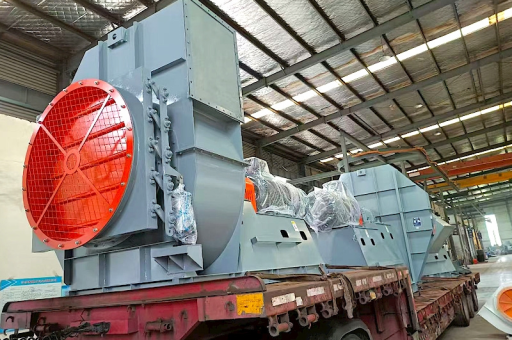
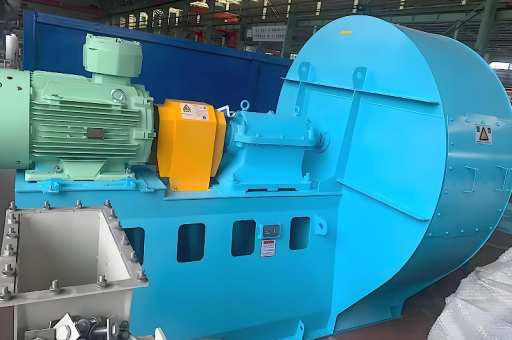
It sounds like you're looking for information about a 75 kW (approximately 100 HP) sweeper blower. This is a very high-power industrial component, typically found in large municipal street sweepers (like Elgin, Johnston, or Schwarze) or heavy-duty industrial vacuum loaders.
Here is a breakdown of what a 75 kW blower is, its specifications, and what you need to know.
What is a 75 kW Sweeper Blower?
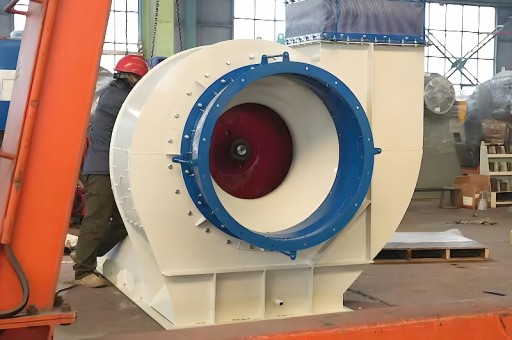
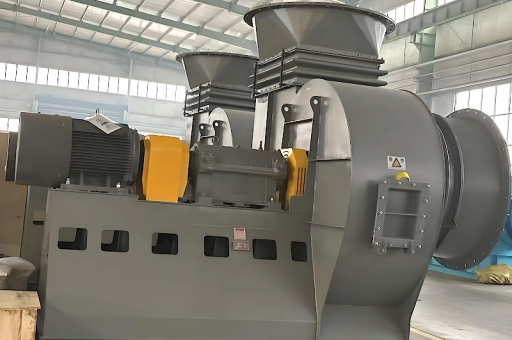
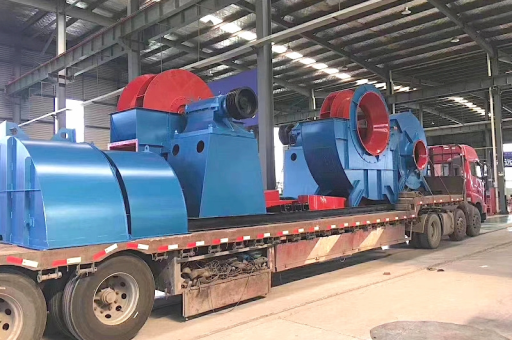
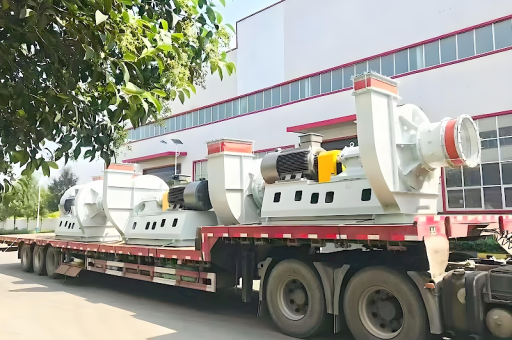
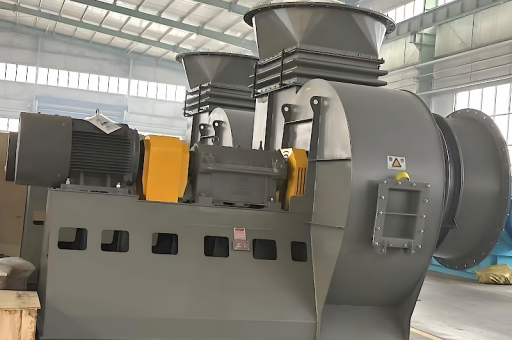
This is a high-volume, low-to-medium pressure fan (specifically a centrifugal or regenerative blower) used to create the vacuum that sucks debris from the road into the hopper. 75 kW (100 HP) is at the top end of the power range; most standard sweepers use 30-50 kW (40-70 HP).
Typical Specifications
A 75 kW blower is a powerful machine. You can expect:
- Power: 75 kW (100 HP)
- Airflow (CFM): 10,000 – 15,000+ CFM (at high speed)
- Pressure: 15-25 inches of water gauge (WG) – high pressure, not high compression.
- Speed: 2000 - 3600 RPM (usually belt-driven from a PTO or separate engine)
- Drive: Hydraulic motor, PTO-driven shaft, or a direct-drive electric motor.
- Weight: 250 - 500+ kg (550 - 1100 lbs)
Applications
- Large Municipal Sweepers: 6x4 or 8x2 chassis (e.g., Elgin Broom Badger, Schwarze A8).
- Airport Runway Sweepers: Need massive suction for FOD (Foreign Object Debris).
- Industrial Vacuum Loaders: Used in cement plants, steel mills, or grain handling.
- Heavy-Duty Catch Basin Cleaners: Removing sludge from storm drains.
Key Design Features
- Wheel Design:
- Backward-Curved: More efficient, handles dust better.
- Radial (Paddlewheel): Handles heavy, sticky debris (mud, leaves) better, but is less efficient.
- Aerofoil: Highest efficiency, used in newer high-end sweepers.
- Material:
- Carbon Steel: Standard.
- Abrasion-Resistant (AR) Steel: Used for the inlet and critical wear areas due to sand and gravel.
- Stainless Steel: For corrosive environments (e.g., salt, chemical plants).
- Shaft & Bearings:
- Heavy-duty roller bearings.
- Shaft must be hardened and ground to handle high RPM and belt tension.
- Drive:
- PTO (Power Take-Off): From the truck engine (common). Heavy load on the chassis engine.
- Auxiliary Engine: Separate diesel engine (e.g., Kubota, John Deere) dedicated to the blower (common in large sweepers). This keeps the truck drivetrain separate.
- Electric Motor: For stationary or electric-hybrid sweepers.
Critical Questions & Common Issues
When dealing with a 75 kW blower, ask these questions:
- Are you retrofitting or replacing? (Bolt pattern, shaft size, rotation direction).
- What is the old blower model? (e.g., Hoffman, Sutorbilt, Spencer, Gardner Denver, M-D Pneumatics).
- What is the rotation direction? (Clockwise or Counter-Clockwise when viewed from the drive end).
- Can the existing drive system handle 75 kW? (Belts, pulleys, hydraulic pump, engine/PTO).
- What material are you moving?
- Sand/Dirt: Needs wear-resistant coating (e.g., tungsten carbide spraying).
- Water/Sludge: Needs drain ports and corrosion-resistant materials.
- Leaves/Paper: Standard carbon steel is fine.
Suppliers & Buying
You are unlikely to find a new 75 kW blower at a retail store. You need to contact industrial blower manufacturers or heavy-duty sweeper parts dealers:
- Manufacturers (New): Hoffman & Lamson, Spencer Turbine, Gardner Denver, Tuthill, Dresser Roots.
- Reman/Used: Sweeper parts yards, industrial surplus, or heavy equipment salvage (e.g., Panjiva, Machinery Trader, eBay Industrial).
- Specialty Sweeper Parts: Elgin Parts, Schwarze Parts, W/S Sweeper Sales.
Cost Estimate
- New: $15,000 – $35,000+ depending on manufacturer and materials.
- Rebuilt/Reman: $5,000 – $12,000.
- Used (Condition unknown): $1,500 – $5,000.
Summary
A 75 kW sweeper blower is a heavy-duty industrial fan requiring 100 HP to run. It is found on the largest municipal and industrial sweepers. It is expensive, heavy, and requires a robust drive system (hydraulic or mechanical PTO). If you are replacing one, you must match the rotation, shaft size, mounting pattern, and inlet/outlet orientation exactly.
If you are trying to engineer a system (e.g., to add a 75 kW blower to an existing machine), you need to carefully calculate the power draw, belt tension, and frame strength. This is not a "bolt-on" upgrade—it is a major mechanical re-engineering project.
Please clarify if you are:
- Looking for a specific model number?
- Trying to fix a broken one?
- Designing a new sweeper system?
- Looking for a price or supplier?
I can refine this answer if you provide more context!