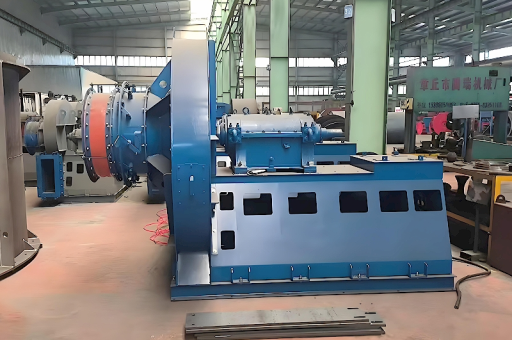
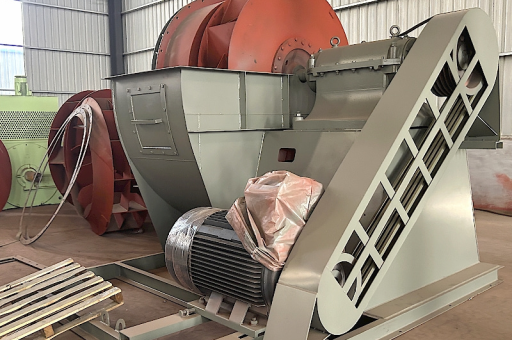
This article's table of contents introduction:
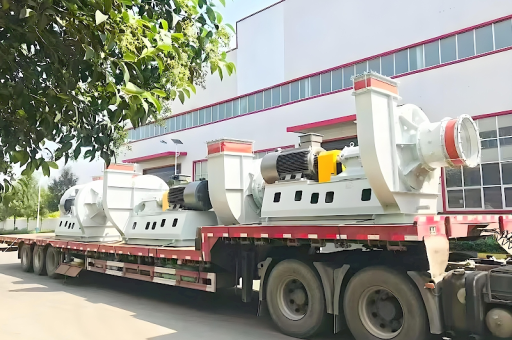
- The Backward-Curved (BC) Blade Design
- Performance Expectations for an 11kW Unit
- Common Applications (Where you find these)
- Critical Technical Considerations for this Spec
- Common Problems & Troubleshooting
- Summary for Procurement or Engineering
This is a fairly specific piece of equipment. To give you a useful technical breakdown, I’ll need to clarify what is typically meant by this specification and the common applications.
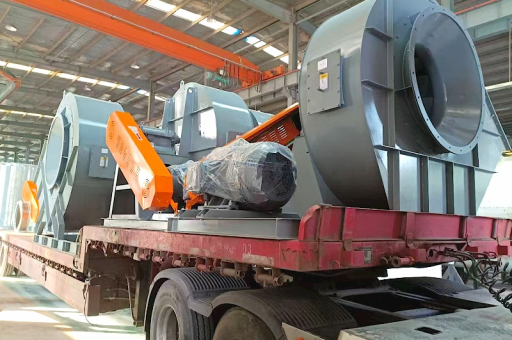
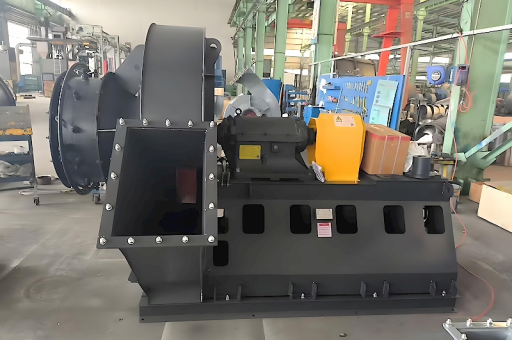
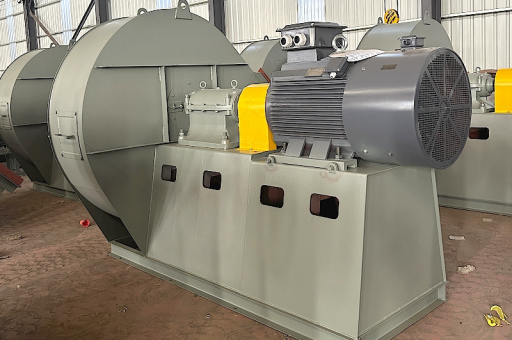
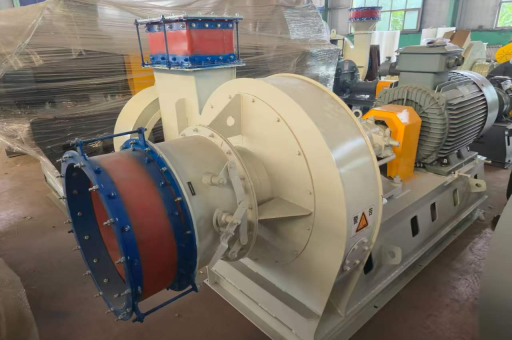
The phrase "11kW Backward-Curved Centrifugal Fan" usually describes a high-efficiency, medium-to-high pressure industrial fan designed for moving large volumes of air against system resistance (ductwork, filters, etc.).
Here is the breakdown of the technologies, performance expectations, and common issues.
The Backward-Curved (BC) Blade Design
The "Backward-Curved" (or Backward-Inclined) impeller is the key to this fan’s efficiency.
- Blade Shape: The blades curve away from the direction of rotation.
- Efficiency: This is the most aerodynamic non-airfoil blade design. It can achieve up to 85-90% static efficiency.
- Power Curve: (Crucial for your motor) Unlike a forward-curved fan, the power curve for a BC fan has a "non-overloading" characteristic.
- Meaning: The motor will not burn out if the system ductwork is accidentally blocked or has high static pressure. The power draw peaks near the Best Efficiency Point (BEP) and drops off as pressure increases.
- Noise: Typically quieter than a forward-curved radial fan, trending toward a cleaner, mid-frequency hum (though at 11kW, it will be substantial).
Performance Expectations for an 11kW Unit
At 11 kW (approximately 15 HP) input power, you are in the "heavy industrial" class of fans. Typical performance specifications depend on the fan's specific speed, but a general range is:
- Flow Rate (Air Volume): 15,000 to 30,000 m³/h (8,800 to 17,700 CFM) – depends on system resistance.
- Static Pressure: 1,500 to 3,000 Pa (6 to 12 inches w.g.)
- Speed: Usually driven by a belt (pulley) or direct drive. At 11kW, belt drive is common for flexibility. Motor speed is typically 1450-1750 RPM; fan speed can be lower (800-1500 RPM).
Common Applications (Where you find these)
You will typically find this specific fan in demanding, continuous-duty industrial environments:
- Dust Collection: Moving dust-laden air through baghouses or cyclones.
- HVAC (Large Scale): Air handling units for factories, shopping centers, or data centers (though forward-curved is more common in low-pressure HVAC).
- Fume Extraction: Removing welding smoke, chemical fumes, or lab exhaust.
- Pneumatic Conveying: Moving lightweight materials (grain, plastic pellets) via air.
- Process Drying: Ovens and kilns for food, textiles, or wood.
Critical Technical Considerations for this Spec
If you are selecting, buying, or troubleshooting this fan, pay attention to these three things:
A. Vibration & Balance (ISO 1940 G6.3 or G2.5)
- A backward-curved impeller is sensitive to dust build-up. Even a small amount of dirt on the back side of the blades can cause severe imbalance.
- At 11kW and typical speed, this fan will require a flexible coupling or belt drive to protect the motor bearings and a vibration switch to shut it down if balance is lost.
B. Drive Type
- Belt Drive (Standard): Allows you to change RPM to match the system curve perfectly. However, belts waste 2-5% of the 11kW as heat.
- Direct Drive (VFD): More efficient. You put the 11kW motor right on the fan shaft and use a Variable Frequency Drive (VFD) to control flow. This is better for speed control but requires a larger motor frame.
C. Material & Construction (Critical for Safety)
- Housing: Usually heavy-gauge steel (4mm-6mm). For corrosive fume extraction, it should be 316L Stainless Steel or coated (e.g., Halar, Rilsan).
- Impeller: For an 11kW backward-curved fan, the impeller is heavy. It should be welded steel or cast aluminum for spark resistance.
- Sparking Risk: If moving flammable dust, the impeller and housing must be spark-resistant (AMCA Type A or B).
Common Problems & Troubleshooting
| Problem | Likely Cause (BC Fan Specific) | Solution |
|---|---|---|
| Low Airflow | Belt slipping; Damper closed; Duct blocked | Check belt tension; Check static pressure gauge. |
| Excessive Vibration | Dust build-up on back of impeller blades; Worn bearings; Impeller out of balance | Clean impeller thoroughly; Balance impeller. |
| Motor Overheating | (Unlikely for BC fan) Usually indicates voltage imbalance or incorrect motor sizing for the system curve. | Check motor amps vs. nameplate; Check voltage. |
| Noise / "Siren" Sound | Fan is operating in stall (near left side of curve); Inlet blockage; Worn drive belts. | Check system resistance; Increase system flow. |
Summary for Procurement or Engineering
If you are specifying:
"Request a direct-drive (or belt-drive) backward-curved centrifugal fan, Class II construction, 11kW motor, capable of [X] m³/h at [Y] Pa static pressure. Impeller must be dynamically balanced to ISO G2.5 grade. Include isolation dampers and vibration switches."
Key takeaway: An 11kW backward-curved fan is a workhorse. It is efficient, reliable, and non-overloading (safe for the motor), but it hates dirty air and must be kept balanced.