The Ultimate Guide to 22kW Backward-Curved Centrifugal Fan: Efficiency, Applications, and Performance Insights
Table of Contents
- Introduction to 22kW Backward-Curved Centrifugal Fans
- How Does a Backward-Curved Fan Differ from Other Types?
- Key Technical Specifications of a 22kW Centrifugal Fan
- Why Choose a 22kW Backward-Curved Fan for Industrial Applications?
- Common Applications Across Industries
- Energy Efficiency and Operational Savings
- Installation and Maintenance Best Practices
- Frequently Asked Questions (FAQ)
- Conclusion
Introduction to 22kW Backward-Curved Centrifugal Fans
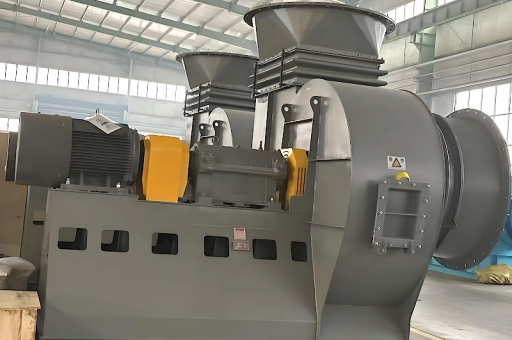
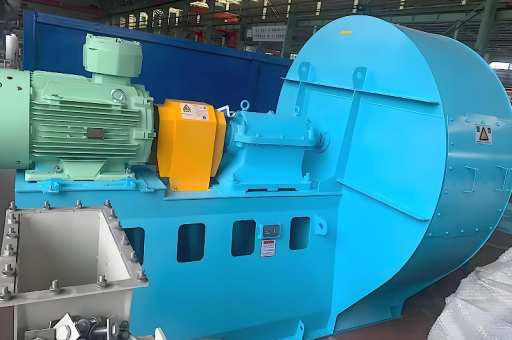
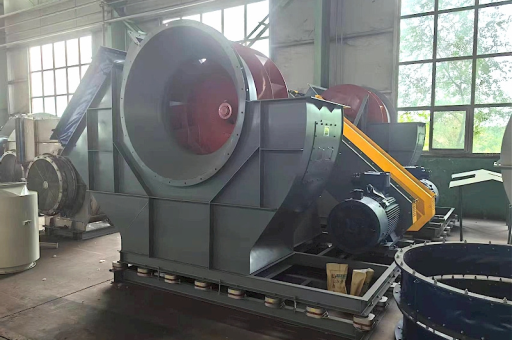
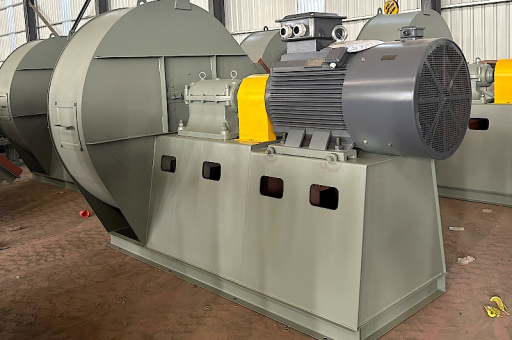
A 22kW backward-curved centrifugal fan is a high-performance air movement device designed for demanding industrial environments. Unlike traditional forward-curved fans, the backward-curved design features blades that curve away from the direction of rotation. This engineering choice delivers superior efficiency, lower noise levels, and better handling of static pressure. The 22kW power rating makes it suitable for medium to heavy-duty applications where consistent airflow and energy conservation are critical. These fans are commonly used in HVAC systems, dust collection, ventilation tunnels, and process air handling. Understanding its unique characteristics helps engineers and facility managers choose the right equipment for their specific requirements.
How Does a Backward-Curved Fan Differ from Other Types?
To fully appreciate the 22kW backward-curved centrifugal fan, it's essential to compare it with other common fan designs.
Forward-Curved vs. Backward-Curved
- Forward-Curved Fans: These have blades that curve in the direction of rotation. They produce high airflow at low pressure but suffer from efficiency drops at higher pressures. They are also noisier and more prone to stall conditions.
- Backward-Curved Fans: Blades curve away from rotation. This design flattens the power curve, meaning the motor is less likely to overload. They achieve higher efficiency (often 75-85%) and operate more quietly. The 22kW variant excels in systems requiring consistent static pressure.
Backward-Curved vs. Airfoil Fans
Airfoil blades use an aerodynamic profile to further reduce turbulence. While airfoil fans are slightly more efficient, backward-curved fans are more cost-effective and durable in environments with particulate or corrosive matter. For a 22kW motor, backward-curved offers the best balance of performance and longevity.
Key Technical Specifications of a 22kW Centrifugal Fan
When specifying a 22kW backward-curved centrifugal fan, several parameters must be evaluated:
- Power Rating: 22 kW (approximately 29.5 HP)
- Airflow Capacity: Typically ranges from 10,000 to 50,000 CFM (cubic feet per minute) depending on impeller size and speed.
- Static Pressure: Capable of handling 2 to 12 inches of water gauge (in. WG).
- Impeller Diameter: Usually between 20 to 40 inches (500 mm to 1000 mm).
- Maximum RPM: Operating speed often between 1200 and 1800 RPM.
- Efficiency: Up to 85% at best efficiency point (BEP).
- Construction Materials: Options include steel, stainless steel, and aluminum for corrosive environments.
These specifications make the 22kW fan ideal for central ventilation systems and industrial exhaust where high static resistance exists.
Why Choose a 22kW Backward-Curved Fan for Industrial Applications?
The 22kW backward-curved centrifugal fan offers distinct advantages that justify its selection over other options:
Non-Overloading Power Curve
Unlike forward-curved fans, which draw more power as airflow decreases, backward-curved fans have a peak power consumption at free air delivery. As resistance increases, power draw actually decreases. This prevents motor burnout and allows for smaller motor starters.
Higher Efficiency at Design Point
At the rated operating point, these fans can achieve 80% or higher efficiency. In continuous operation, this translates to significant electricity savings. Over a year, a 22kW fan operating 24/7 can save thousands of kilowatt-hours compared to a less efficient design.
Lower Noise Emissions
The blade geometry reduces turbulence and vortex shedding. This results in lower sound levels, often 5-10 dB(A) quieter than equivalent forward-curved fans. This is critical in workplaces with noise regulations.
Robustness in Dirty Air Streams
Because the blades are backward-curved, they are less likely to accumulate dust or material buildup. The design is self-cleaning to some degree, reducing maintenance frequency.
Common Applications Across Industries
A 22kW backward-curved centrifugal fan finds use in diverse sectors:
HVAC and Building Ventilation
Large commercial buildings, hospitals, and data centers use these fans for air handling units (AHUs). The 22kW motor provides the necessary pressure to push air through long duct runs with filters and heat exchangers.
Industrial Dust Collection
In woodworking, metalworking, and cement plants, these fans move dusty air through cyclones and baghouses. The backward-curved design resists wear from particulate impact.
Power Generation and Boiler Systems
Forced draft and induced draft fans in boiler applications rely on backward-curved designs for reliability. The 22kW size is common for smaller boiler installations or as auxiliary fans.
Marine and Offshore Ventilation
Ships and oil rigs require ventilation fans that can handle salt-laden air. Backward-curved fans built from stainless steel are ideal for these demanding conditions.
Energy Efficiency and Operational Savings
Energy consumption is a primary concern for any facility. A 22kW backward-curved centrifugal fan can reduce operating costs in several ways:
Variable Frequency Drive (VFD) Compatibility
These fans work exceptionally well with VFDs. Because the power curve is non-overloading, reducing speed by 20% can cut power consumption by nearly 50% (following the fan affinity laws). This allows precise airflow control without energy waste.
Reduced Motor Sizing
Since the fan cannot overload the motor, engineers can select a motor closer to the actual requirement. This reduces initial capital costs and improves part-load efficiency.
Long-Term Cost Analysis
Suppose two fans are compared: a backward-curved unit with 82% efficiency and a forward-curved unit with 65% efficiency. Over 8,000 hours of operation at 22 kW load, the backward-curved fan saves approximately 5,857 kWh annually, which at $0.12/kWh equals $702 per year. Over 10 years, that is $7,020 in savings.
Installation and Maintenance Best Practices
To maximize the lifespan and performance of your 22kW backward-curved centrifugal fan, follow these guidelines:
Proper Inlet and Outlet Connections
Ensure straight duct sections before and after the fan. Use turning vanes if a 90-degree bend is unavoidable. This prevents turbulence that degrades performance.
Foundation and Vibration Isolation
Mount the fan on a rigid base with appropriate vibration isolators. A 22kW motor can create significant dynamic forces; proper mounting prevents noise transmission and structural damage.
Regular Bearing and Belt Inspection
Check bearings for lubrication and wear every 3-6 months. If the fan is belt-driven, inspect belts for tension and alignment. Misalignment strains the motor and reduces efficiency.
Impeller Cleaning
Even though backward-curved blades are self-cleaning, inspect the impeller annually for buildup. In dirty environments, schedule cleaning every quarter.
Frequently Asked Questions (FAQ)
Q1: Can a 22kW backward-curved centrifugal fan be used for cleanroom applications?
Answer: Yes, but careful selection of materials (e.g., stainless steel) and balanced construction is needed. These fans can provide high static pressure for HEPA filters without generating particles themselves.
Q2: How do I calculate the required airflow for my system?
Answer: Calculate the volume of the space (length × width × height) and multiply by the required air changes per hour (ACH). For industrial settings, ACH can range from 6 to 30. Then, add duct losses and filter resistance to determine the required static pressure.
Q3: Is a 22kW backward-curved fan suitable for outdoor installation?
Answer: Yes, provided the fan is supplied with a weatherproof enclosure and corrosion-resistant coating. Consider using a TEFC (Totally Enclosed Fan-Cooled) motor for outdoor use.
Q4: What is the typical lifespan of these fans?
Answer: With proper maintenance, a 22kW backward-curved centrifugal fan can operate for 15-20 years. Bearing replacement may be needed every 5-7 years in continuous service.
Q5: Can I retrofit an existing system with a backward-curved fan to replace an older forward-curved model?
Answer: Generally yes, but verify that the motor mounting, shaft size, and inlet/outlet dimensions match. You may need an adapter. The new fan may also require a smaller motor due to higher efficiency, leading to further savings.
Conclusion
The 22kW backward-curved centrifugal fan represents a mature, high-efficiency solution for industrial and commercial air movement needs. Its non-overloading characteristic, excellent static pressure handling, and energy-saving potential make it a wise investment for any facility seeking reliable ventilation. Whether you are designing a new system or upgrading an existing one, this fan type offers the performance and longevity required for demanding environments. By understanding its specifications, applications, and maintenance requirements, you can ensure optimal operation and maximum return on investment.
For more information on selecting the right fan for your project, consult with a qualified fan engineer or visit a trusted industrial fan manufacturer's website.