This article's table of contents introduction:
- Table of Contents
- Introduction: The Backbone of Boiler Exhaust Systems
- What is a 75kW Centrifugal Blower Boiler Exhaust Fan?
- Key Technical Specifications and Performance Metrics
- How Does a Centrifugal Blower Differ from an Axial Fan in Boiler Applications?
- Critical Design Features: Material, Impeller, and Motor
- Common Applications Across Industries
- Installation Best Practices for Maximum Efficiency
- Maintenance and Troubleshooting: Extending Fan Lifespan
- Frequently Asked Questions (FAQ)
- Conclusion: Why the 75kW Centrifugal Fan is the Industry Standard
** Mastering Industrial Ventilation: The Complete Guide to the 75kW Centrifugal Blower Boiler Exhaust Fan
Table of Contents
- Introduction: The Backbone of Boiler Exhaust Systems
- What is a 75kW Centrifugal Blower Boiler Exhaust Fan?
- Key Technical Specifications and Performance Metrics
- How Does a Centrifugal Blower Differ from an Axial Fan in Boiler Applications?
- Critical Design Features: Material, Impeller, and Motor
- Common Applications Across Industries
- Installation Best Practices for Maximum Efficiency
- Maintenance and Troubleshooting: Extending Fan Lifespan
- Frequently Asked Questions (FAQ)
- Conclusion: Why the 75kW Centrifugal Fan is the Industry Standard
Introduction: The Backbone of Boiler Exhaust Systems
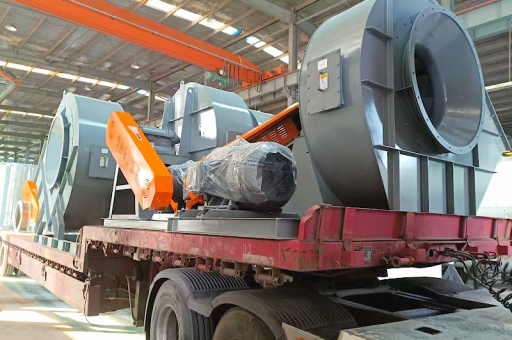
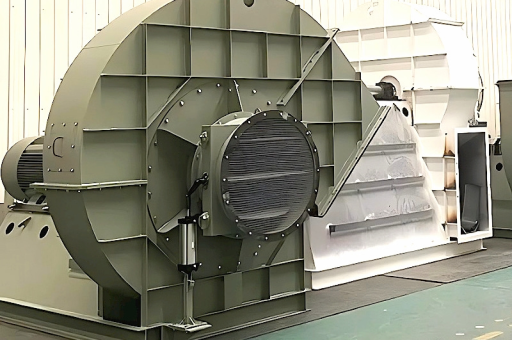
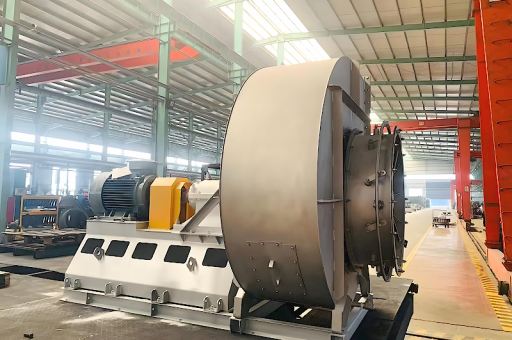
In heavy industrial environments, managing high-temperature exhaust gases is not just about compliance—it is about operational safety and efficiency. The 75kW Centrifugal Blower Boiler Exhaust Fan represents a critical component in thermal power plants, chemical processing facilities, and large-scale HVAC systems. Designed to move large volumes of hot, often corrosive gas against high static pressure, this fan ensures that boilers operate within safe pressure limits while maximizing combustion efficiency.
Industry data shows that improperly sized exhaust fans can reduce boiler thermal efficiency by up to 8%. The 75kW variant has emerged as a standard solution for medium-to-large boiler applications, balancing power consumption with airflow capacity. This guide breaks down everything you need to know, from technical specifications to real-world maintenance strategies.
What is a 75kW Centrifugal Blower Boiler Exhaust Fan?
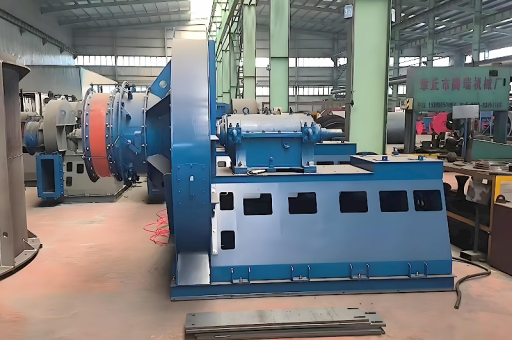
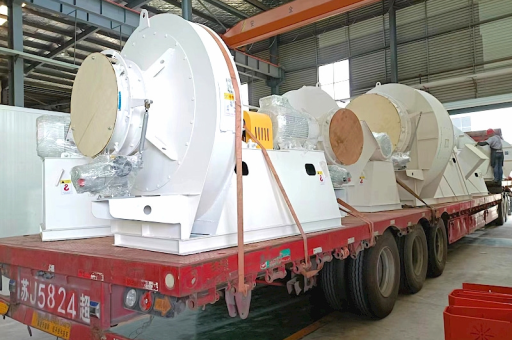
A centrifugal blower uses a rotating impeller to increase the velocity of air or gas, converting kinetic energy into pressure. In boiler exhaust systems, this fan pulls flue gas from the boiler furnace and forces it through the chimney or pollution control equipment.
- Power Rating: 75 kW (approximately 100 horsepower).
- Primary Function: Induced draft (ID) or forced draft (FD) in boiler systems.
- Typical Airflow: 30,000 to 60,000 cubic meters per hour (depending on pressure requirements).
- Static Pressure: Usually between 2,000 and 5,000 Pa.
The "boiler exhaust" designation means the fan is engineered to withstand temperatures ranging from 150°C to over 300°C, often with thermal expansion protection.
Key Technical Specifications and Performance Metrics
When selecting a 75kW centrifugal blower for boiler exhaust, these parameters are non-negotiable:
| Specification | Typical Value | Why It Matters |
|---|---|---|
| Motor Power | 75 kW | Determines ability to overcome system resistance. |
| Impeller Diameter | 800 mm – 1200 mm | Affects airflow and pressure curve. |
| Maximum Temperature | 250°C (standard), 400°C (with cooling) | Prevents mechanical failure in hot gas streams. |
| Rotational Speed | 1450 – 2900 RPM (driven by VFD) | Allows precise flow control. |
| Material of Construction | Carbon steel (standard) or stainless steel (corrosive gas) | Affects durability and maintenance frequency. |
Performance Curve Insight: A properly selected fan should operate near its Best Efficiency Point (BEP). Running a 75kW fan far from its BEP wastes energy and accelerates bearing wear.
How Does a Centrifugal Blower Differ from an Axial Fan in Boiler Applications?
This is one of the most common questions engineers ask.
- Centrifugal Fan: Delivers high pressure at moderate airflow. Ideal for overcoming the resistance of ductwork, scrubbers, and heat exchangers. The 75kW centrifugal design excels in boiler exhaust where static pressure can be high.
- Axial Fan: Provides high airflow at low pressure. Common in ventilation but unsuitable for boiler exhaust unless the pressure drop is minimal.
Key Advantage: The centrifugal fan's "S-shaped" performance curve allows it to handle blockages or partial clogging without stalling—a critical safety feature in boiler systems.
Critical Design Features: Material, Impeller, and Motor
A. Impeller Design
- Backward curved blades: Preferred for boiler exhaust due to higher efficiency and lower noise.
- Radial blades: Used for highly abrasive or sticky gases (e.g., biomass combustion).
B. Material Selection
- Standard: Q235 carbon steel with high-temperature paint (max 200°C).
- Upgrade: 304 or 316 stainless steel for sulfur-containing exhaust gas.
- Wear lining: Ceramic tiles or hardfacing for fly ash erosion protection.
C. Motor and Drive System
- Direct drive: Higher efficiency, less maintenance than belt drive.
- Variable Frequency Drive (VFD): Essential for modulating fan speed to match boiler load, reducing energy consumption by 20-35% during low demand periods.
Technical Note from fan industry research: The 75kW fan typically uses a 2-pole or 4-pole induction motor. A 4-pole motor running at 1450 RPM offers better torque for heavy starting loads.
Common Applications Across Industries
The 75kW centrifugal blower is not limited to boiler exhaust. It serves multiple roles:
- Power Generation: Induced draft in coal or gas-fired boilers.
- Cement Industry: Kiln exhaust and clinker cooling.
- Chemical Plants: Removing corrosive fumes from reactors.
- Waste-to-Energy Plants: Handling high-temperature, acidic flue gas.
- Steel Mills: Furnace draft and gas recirculation.
Application Example: A 75kW ID fan in a 10-ton/hour steam boiler can maintain a furnace negative pressure of -50 Pa, ensuring safe operation and preventing backdraft.
Installation Best Practices for Maximum Efficiency
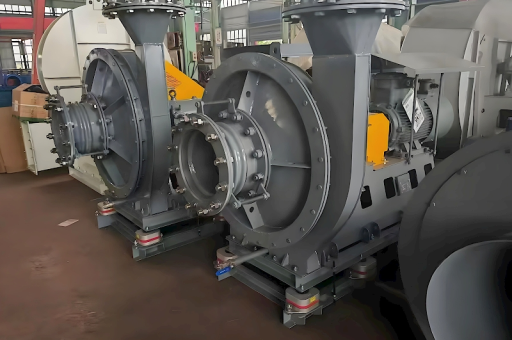
- Foundation: Use a vibration-dampening base. Concrete mass should be at least 3 times the fan's weight.
- Ductwork: Ensure straight inlet sections (at least 1.5x duct diameter) to avoid turbulence and performance loss.
- Flexible Connectors: Install at inlet and outlet to isolate vibration from ductwork.
- Drainage: Add a drain port at the lowest point of the housing to remove condensed moisture.
- Access Platform: Provide sufficient space for bearing maintenance and impeller inspection.
Common Mistake: Mounting the fan directly on a steel frame without vibration isolators. This accelerates bearing failure and increases noise levels.
Maintenance and Troubleshooting: Extending Fan Lifespan
Daily Checks:
- Monitor motor amperage (should be within 10% of rated value).
- Listen for unusual noise (grinding indicates bearing wear).
Monthly Maintenance:
- Grease bearings per manufacturer specs (over-greasing is as harmful as under-greasing).
- Check V-belt tension (if belt-driven) – deflection should be 1/64 inch per inch of span.
Quarterly Inspection:
- Measure impeller tip clearance (should be 2-4 mm for high-temperature fans).
- Inspect for erosion or corrosion on blade leading edges.
Troubleshooting Table:
| Symptom | Likely Cause | Solution |
|---|---|---|
| High vibration | Impeller imbalance or debris accumulation | Clean blades and balance dynamically. |
| Motor overheating | Overloaded fan or restricted airflow | Check duct blockage; reduce VFD speed. |
| Low airflow | System resistance changed or fan running backwards | Verify rotation direction; check damper position. |
| Excessive noise | Bearing failure or aerodynamic stall | Replace bearings; adjust fan operating point. |
Frequently Asked Questions (FAQ)
Q1: Can a 75kW centrifugal fan handle gases above 300°C? A: Yes, but requires an air-cooled shaft and high-temperature seals. Standard models are rated up to 250°C. For 300-400°C, specify a fan with a cooling fan on the shaft and Inconel 718 impeller material.
Q2: What is the typical lifespan of a 75kW boiler exhaust fan? A: With proper maintenance, the fan housing lasts 15-20 years. Bearings require replacement every 3-5 years, and impellers may need replacement every 5-8 years depending on gas abrasiveness.
Q3: How do I calculate the correct static pressure for selecting a 75kW fan? A: Sum the pressure drop of the boiler furnace, ductwork, heat exchangers, and chimney. Always add a 15% safety margin. Use a fan curve from the manufacturer to match the duty point.
Q4: Is a VFD mandatory for boiler exhaust fans? A: Not mandatory, but highly recommended. Without a VFD, the fan runs at full speed regardless of boiler load, wasting energy and causing thermal cycling. Payback period for a VFD is typically 12-18 months.
Q5: What is the difference between an ID fan and an FD fan using this power rating? A: An Induced Draft (ID) fan pulls gas out of the boiler, creating negative pressure. A Forced Draft (FD) fan pushes combustion air in. Both can be 75kW, but the ID fan must handle higher temperatures and potentially corrosive gas.
Conclusion: Why the 75kW Centrifugal Fan is the Industry Standard
The 75kW Centrifugal Blower Boiler Exhaust Fan has become a benchmark for industrial ventilation due to its balance of power, efficiency, and durability. Whether you are designing a new boiler system or retrofitting an existing plant, selecting the correct fan involves understanding fluid dynamics, material science, and operational demands.
Research from industrial fan manufacturers indicates that using a correctly sized 75kW centrifugal fan with a VFD can reduce total cost of ownership by 25% over a decade, compared to oversized or undersized alternatives. For engineers, the key takeaway is to prioritize the operating point on the fan curve, invest in robust materials for your specific gas composition, and implement a rigid maintenance schedule.
By choosing the right fan from reputable suppliers and adhering to best practices outlined in this guide, your boiler exhaust system will achieve optimal uptime, safety, and energy efficiency.