This article's table of contents introduction:
- Table of Contents
- Introduction: What Is a 1.1kW Stainless Steel High-Pressure Blower?
- Key Technical Specifications and Design Features
- Why Stainless Steel? Material Advantages in Harsh Environments
- Primary Applications Across Industries
- How to Select the Right Blower for Your System
- Installation Best Practices
- Routine Maintenance and Troubleshooting
- Frequently Asked Questions (FAQ)
- Conclusion: Why This Blower Stands Out
The Complete Guide to the 1.1kW Stainless Steel High-Pressure Blower: Performance, Applications, and Maintenance**
Table of Contents
- Introduction: What Is a 1.1kW Stainless Steel High-Pressure Blower?
- Key Technical Specifications and Design Features
- Why Stainless Steel? Material Advantages in Harsh Environments
- Primary Applications Across Industries
- How to Select the Right Blower for Your System
- Installation Best Practices
- Routine Maintenance and Troubleshooting
- Frequently Asked Questions (FAQ)
- Conclusion: Why This Blower Stands Out
Introduction: What Is a 1.1kW Stainless Steel High-Pressure Blower?
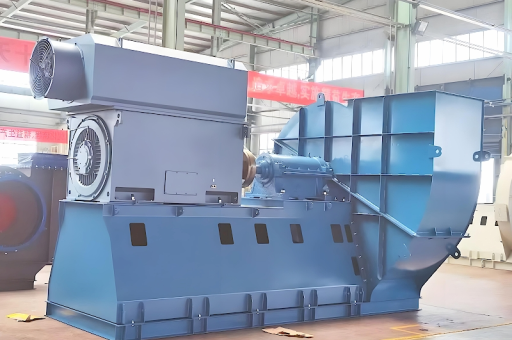
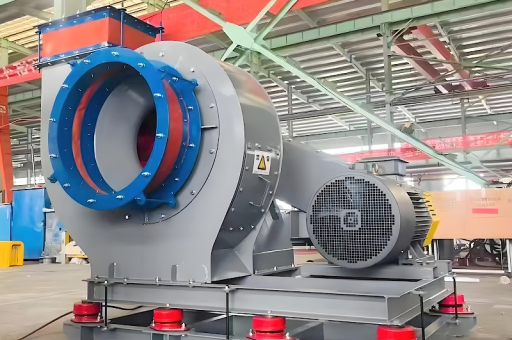
A 1kW stainless steel high-pressure blower is a compact yet powerful air-moving device designed to generate high static pressure (typically between 200 and 400 mbar) while maintaining a moderate airflow volume. The "1.1kW" refers to the motor power rating, which strikes an ideal balance between energy efficiency and pressure output for many industrial and commercial applications.
Unlike standard blowers made from painted steel or aluminum, this unit is constructed entirely from stainless steel (usually grade 304 or 316). This material choice provides exceptional resistance to corrosion, moisture, chemicals, and extreme temperatures, making the blower suitable for cleanrooms, food processing plants, wastewater treatment facilities, and marine environments.
Question:
Can a 1.1kW stainless steel blower replace a larger, higher-power unit in some applications?
Answer: Yes—because of its high-pressure design, it often outperforms motors with higher wattage but lower pressure ratings. For example, in pneumatic conveying or aeration systems, static pressure matters more than raw airflow. The 1.1kW unit can substitute for a 1.5kW or 2.2kW standard blower when the system requires compact size and corrosion resistance.
Key Technical Specifications and Design Features
The 1.1kW stainless steel high-pressure blower is engineered for reliability under continuous duty. Typical specifications include:
- Motor Power: 1.1 kW (1.5 HP)
- Max Airflow: 80 – 150 m³/h (depending on impeller design)
- Max Static Pressure: 250 – 400 mbar
- Sound Level: 55 – 68 dB(A) at 1 meter (with silencer options)
- Inlet/Outlet Diameter: 1.5" to 2" (DN40 – DN50)
- Weight: 18 – 25 kg
- Protection Class: IP55 or IP65
- Material: Stainless steel casing, impeller, and fasteners
Design Highlights:
- Regenerative impeller – Uses a non-contact, oil-free design for low maintenance.
- Direct-drive motor – Eliminates belts and pulleys for quieter operation.
- Integrated thermal overload protection – Prevents motor burnout.
- Mounting flexibility – Can be installed vertically or horizontally.
Question:
What does "regenerative" mean in a blower, and why is it advantageous?
Answer: A regenerative blower uses a single, multi-blade impeller that spins inside a specially shaped housing. Air is trapped between the blades, accelerated, and then forced outward multiple times in a circular path before exiting. This "regeneration" effect amplifies pressure without needing multiple stages, resulting in compact size and oil-free operation.
Why Stainless Steel? Material Advantages in Harsh Environments
The choice of stainless steel is not merely about aesthetics—it significantly extends the blower’s lifespan in demanding conditions.
| Factor | Stainless Steel Advantage |
|---|---|
| Corrosion Resistance | Withstands acids, alkalis, saltwater, and humidity without rusting. |
| Hygiene | Non-porous surface resists bacterial growth; easy to sanitize. |
| Temperature Tolerance | Operates reliably from -20°C to +80°C (continuous). |
| Mechanical Strength | Resists denting and deformation under vibration or impact. |
| Longevity | Outlasts painted steel blowers by 3–5x in corrosive environments. |
Because of these properties, the blower is ideal for:
- Food & beverage – Direct contact with washdown zones (IP65 rating).
- Pharmaceuticals – Cleanroom-compatible, no particle shedding.
- Wastewater – H₂S and chlorine gases do not degrade the housing.
- Marine – Salt spray has no corrosive effect.
Question:
Is stainless steel necessary if the blower is used indoors in a dry environment?
Answer: Not strictly, but it still adds value. The blower will never develop surface rust from condensation or accidental spills, and it retains higher resale value. For dry, clean environments, a painted steel or aluminum blower may suffice, but stainless steel is a future-proof investment.
Primary Applications Across Industries
The 1.1kW stainless steel high-pressure blower is versatile. Here are its most common uses:
A. Pneumatic Conveying
It moves powders, granules, and pellets through pipelines at low velocities. The high pressure overcomes friction losses and elevation changes. Examples: flour in bakeries, plastic pellets in injection molding.
B. Wastewater Aeration
In small to medium treatment plants, the blower supplies oxygen to aerobic bacteria. Stainless steel resists the corrosive H₂S gas present in sewage.
C. Vacuum Packaging
When used in suction mode, the blower evacuates air from packaging chambers. Its oil-free operation prevents contamination of food products.
D. Dust Collection
In woodworking or textile shops, it creates negative pressure to capture fine particles at the source.
E. Medical Vacuum Systems
Hospitals use these blowers for wound suction or lab equipment because of their quiet, clean operation.
F. Pneumatic Control Systems
In automation, the blower supplies clean, dry air to operate valves and actuators.
Question:
Can this blower be used for both pressure and vacuum applications?
Answer: Yes. The blower is reversible—simply swap the inlet and outlet connections. However, for dedicated vacuum service, ensure the motor is adequately cooled (some units require a cooling fan on the vacuum side).
How to Select the Right Blower for Your System
Choosing the correct 1.1kW stainless steel blower requires matching three parameters:
- Required Static Pressure (ΔP) – Measure the total pressure loss in your system (pipes, filters, bends). The blower’s maximum pressure must exceed this by at least 20%.
- Required Airflow (Q) – Calculate the volume of air needed per minute. The blower should operate near its best-efficiency point (usually 60–80% of max flow).
- Environmental Conditions – Humidity, temperature, and chemical exposure dictate whether Grade 304 or 316 stainless steel is needed.
Performance Curve Analysis:
Every blower has a performance curve showing pressure vs. airflow. Always select a blower where your operating point falls under the curve. Running the blower at zero flow (deadhead) for extended periods can cause overheating.
Question:
If my system requires 0.8 kW, is it safe to use a 1.1 kW blower?
Answer: Yes, as long as the airflow and pressure requirements are within the blower’s operating range. The motor will only draw the power needed—if the load is lighter, it will run at lower wattage. However, oversizing by more than 50% can lead to inefficiency or pulsation.
Installation Best Practices
Proper installation maximizes the blower’s life and performance.
- Mount on a rigid base – Use vibration-dampening pads to avoid resonance.
- Flexible connectors – Install rubber bellows at both inlet and outlet to prevent pipe stress.
- Inlet filter – A stainless steel mesh filter prevents debris from entering the impeller.
- Pressure relief valve – Set at 90% of the blower’s max pressure to avoid overloading.
- Electrical wiring – Use a dedicated circuit with a motor-rated breaker. Check phase and voltage (single-phase 230V or three-phase 400V).
- Cooling clearance – Leave at least 10 cm around the motor for airflow.
Question:
Can the blower be installed outdoors?
Answer: Yes, if it has an IP65 rating and you provide a weatherproof electrical connection. However, direct sun exposure can shorten seal life; a simple shade cover is recommended.
Routine Maintenance and Troubleshooting
The beauty of a regenerative blower is minimal maintenance—no bearings to grease, no belts to replace. Still, these steps ensure longevity:
Monthly:
- Clean the inlet filter.
- Check for unusual noise or vibration.
- Verify electrical connections are tight.
Quarterly:
- Inspect the impeller for debris or damage (through the inlet port).
- Measure motor current; compare to nameplate full-load amps.
Annually:
- Replace the inlet filter cartridge.
- Check all seals and gaskets.
- Test thermal overload protection.
Common Issues and Fixes:
| Problem | Likely Cause | Solution |
|---|---|---|
| Blower runs but no airflow | Blocked inlet/outlet or reversed rotation | Clear obstructions; check motor wiring phase |
| Overheating | Operating at deadhead or restricted flow | Install pressure relief valve; reduce backpressure |
| Excessive noise | Worn impeller or loose mounting | Replace impeller; tighten bolts |
| Motor trips breaker | Overload or short circuit | Check impeller for binding; test motor winding |
Question:
How long does a 1.1kW stainless steel blower typically last?
Answer: With proper maintenance, the expected service life is 8–12 years for continuous operation. The stainless steel housing ensures the body does not corrode, while the sealed bearings (if factory-lubricated) can last 20,000+ hours.
Frequently Asked Questions (FAQ)
Q1: Is this blower suitable for continuous 24/7 operation?
A: Yes—the motor is rated for continuous duty (S1). Ensure the ambient temperature does not exceed 40°C.
Q2: What is the difference between Grade 304 and 316 stainless steel?
A: Grade 316 contains molybdenum, which offers superior resistance to chlorides (e.g., seawater, bleach). For most land-based applications, Grade 304 is sufficient.
Q3: Can I adjust the airflow of this blower?
A: Yes, using a variable frequency drive (VFD) or a mechanically adjustable bypass valve. A VFD also reduces energy consumption.
Q4: Does the blower require oil or lubrication?
A: No—the regenerative impeller is oil-free. Only the motor bearings require grease, and most units are sealed for life.
Q5: What accessories should I consider?
A: Inlet silencer, pressure gauge, shut-off valve, flexible coupling, and a stainless steel check valve.
Conclusion: Why This Blower Stands Out
The 1kW stainless steel high-pressure blower is a niche product that fills a critical gap in the market: it delivers the corrosion resistance of stainless steel without sacrificing the high-pressure performance needed for demanding industrial tasks. Its compact footprint, oil-free operation, and low maintenance make it a top choice for food safety, wastewater treatment, pharmaceutical cleanrooms, and marine applications.
While the initial investment is higher than that of a painted steel blower, the total cost of ownership is lower over a decade of service due to reduced downtime, no repainting, and superior longevity. For engineers and facility managers who prioritize reliability in harsh environments, this blower is not just an option—it’s the optimal solution.
For more details on sizing or to request a performance curve, visit fan (your trusted equipment resource).