This article's table of contents introduction:
- Understanding the Specification
- Typical Applications
- Key Components & Features to Look For
- Performance Range (Estimates)
- Leading Manufacturers (Who makes these?)
- Critical Selection Questions for Suppliers
- Summary Recommendation
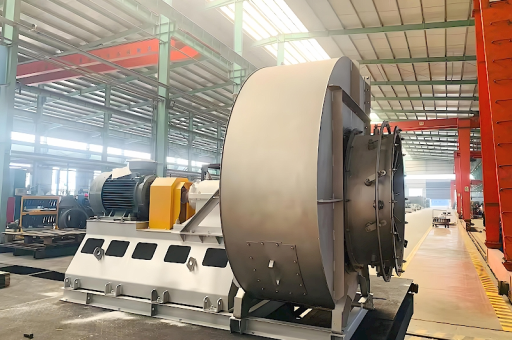
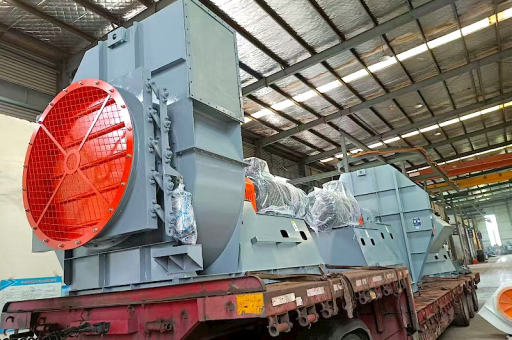
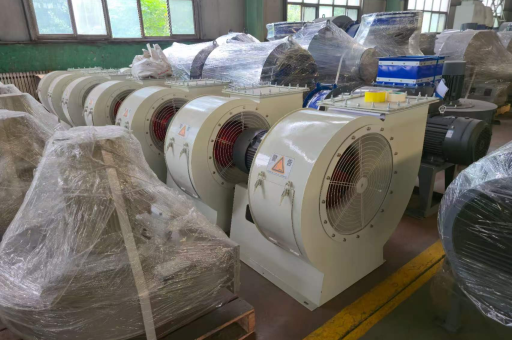
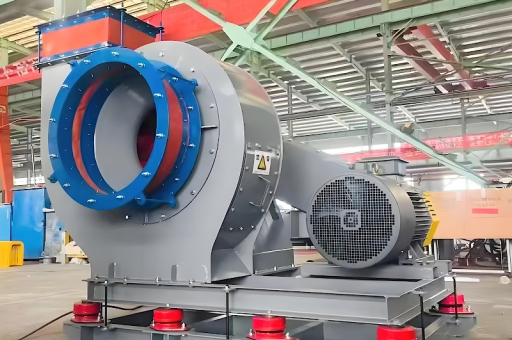
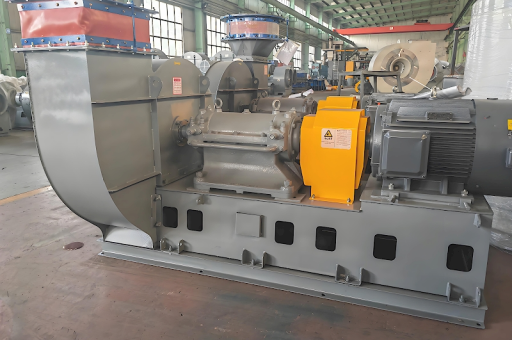
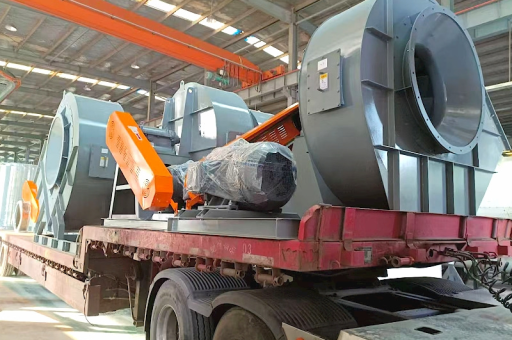
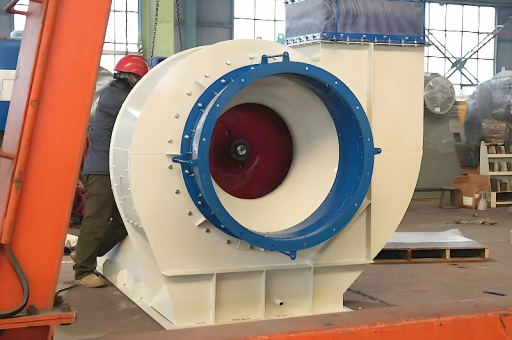
Based on your query for a 45kW Stainless Steel High-Pressure Blower, you are looking for a heavy-duty industrial machine designed for harsh environments where corrosion resistance, high static pressure, and significant airflow are required.
Here is a detailed breakdown of what this specification entails, common applications, and key considerations for procurement.
Understanding the Specification
- Power (45kW / ~60 HP): This is a high-power industrial motor. It indicates a large machine capable of moving a substantial volume of air against significant resistance (pressure). Expect a motor frame size of IEC 225 or 250.
- Stainless Steel (SS): Typically SS304 or SS316L.
- Why: Standard cast iron or painted steel blowers corrode quickly in humid, chemical, or food-processing environments.
- Parts: The impeller (wheel), housing (volute), and inlet/outlet flanges should be stainless steel.
- High-Pressure: This refers to a Centrifugal Blower (not an axial fan). It is designed to generate static pressure typically ranging from 400 mmH₂O (~4 kPa) up to 2000 mmH₂O (~20 kPa) or more, depending on the specific impeller design (usually backward-curved or radial blades).
Typical Applications
This is not a standard HVAC fan. It is used for process support in demanding industries:
- Wastewater Treatment: Aeration in biological treatment tanks (SS316L is critical here for corrosion from H₂S and moisture).
- Chemical & Petrochemical: Fume extraction, gas boosting, and pneumatic conveying of aggressive materials.
- Food & Beverage: CIP (Clean-in-Place) systems, pneumatic conveying of grains or powders, and drying systems where washdowns with caustic chemicals are frequent.
- Pharmaceutical: Vacuum systems, material handling, and sterile air supply.
- Marine & Offshore: Ventilation of corrosive salt-air environments.
Key Components & Features to Look For
When sourcing or specifying this blower, ensure these details are addressed:
| Component | Requirement for 45kW SS High-Pressure Blower |
|---|---|
| Motor | IP55 or IP56 (water/dust jet protection), IE3 (or IE4) efficiency. Base-mounted. |
| Impeller | Backward-curved blades (for high pressure, higher efficiency, and non-overloading power curve) or Radial blades (for very high pressure, but lower efficiency). Must be dynamically balanced (G2.5 or G6.3). |
| Shaft Seal | Double mechanical seal or Carbon ring seal (if handling dirty air/gas) to prevent leakage into the motor. |
| Housing | Welded stainless steel (SS304/316L), stress-relieved to prevent warping. Drain plugs at the bottom. |
| Bearings | Heavy-duty roller bearings with grease relief lines, sized for a minimum L10 life of 40,000-80,000 hours. |
| Drive | Direct drive (preferred for high speed/pressure) or belt drive (allows speed changes but lower efficiency). |
Performance Range (Estimates)
For a 45kW blower at high pressure, you can expect approximate performance ranges. This varies significantly based on the specific impeller design.
- Scenario A (High Flow, Medium Pressure):
- Airflow: ~150 - 250 m³/min (5300 - 8800 CFM)
- Static Pressure: ~500 - 800 mmH₂O (5 - 8 kPa)
- Scenario B (Medium Flow, High Pressure):
- Airflow: ~80 - 150 m³/min (2800 - 5300 CFM)
- Static Pressure: ~1000 - 2000 mmH₂O (10 - 20 kPa)
- Important: You must provide your exact Required Airflow (m³/min or CFM) and Required Static Pressure (mmH₂O or Pa) to get a precise selection. A 45kW motor can be paired with different impeller diameters to hit different points on the fan curve.
Leading Manufacturers (Who makes these?)
This is a niche, heavy-duty market. Look for brands like:
- European: Elektror (High-pressure series), Ziehl-Abegg, Cattin Filtration, Sodeca.
- Italian: Ventilatori, Nicotra Gebhardt, Sistem Air (many Italian manufacturers are strong in SS construction).
- Chinese/OEM: Many large Chinese manufacturers (e.g., Shandong Huadong Blower, Shanghai Fusheng) can build this to spec, but you must verify material certifications (MTC for SS316L) and dynamic balancing.
- North American: New York Blower, Cincinnati Fan, Chicago Blower.
Critical Selection Questions for Suppliers
Before ordering, you must get clear answers from the manufacturer or distributor:
- What is the maximum continuous operating temperature? (SS blowers can handle higher temps, but the motor and seals have limits).
- What is the noise level at full load (dBA)? (45kW blowers are loud; they often need a silencer/intake filter).
- Is the impeller directly mounted on the motor shaft, or is it an overhung design? (Overhung designs with a separate bearing housing and flexible coupling are more robust for continuous heavy load).
- Can you provide a certified fan curve showing the operating point? (To ensure the motor is not overloaded. Backward-curved impellers are safer against overloading).
- What is the inlet and outlet size? (Typically DN200 to DN300 flanges for this power range).
Summary Recommendation
A 45kW SS High-Pressure Blower is a capital investment (likely €8,000 - €25,000+ depending on brand and features).
- If reliability is critical (24/7 operation): Choose a brand with a robust separate bearing pedestal design (overhung fan) and a hybrid or double mechanical seal. Insist on an IE4 motor for energy savings over the long term.
- If you have a tight budget: You can find Chinese or Taiwanese OEMs, but ensure you request material test reports for the stainless steel and a performance test certificate from an independent lab (e.g., AMCA).
To get an accurate quote, prepare this data sheet:
- Required Airflow: m³/min (or CFM)
- Required Static Pressure: mmH₂O (or Pa)
- Gas/Air Temperature: °C
- Gas Type: (e.g., Clean air, humid air, chemical vapor)
- Motor Voltage: (e.g., 380V / 3ph / 50Hz or 460V / 3ph / 60Hz)
- Material Grade: (SS304 / SS316L)
- Location: (Indoor / Outdoor)
Would you like me to help you calculate the brake horsepower (BHP) or motor size based on your specific Airflow and Pressure requirements? If you provide those numbers, I can give you a more precise motor power recommendation.