
This article's table of contents introduction:
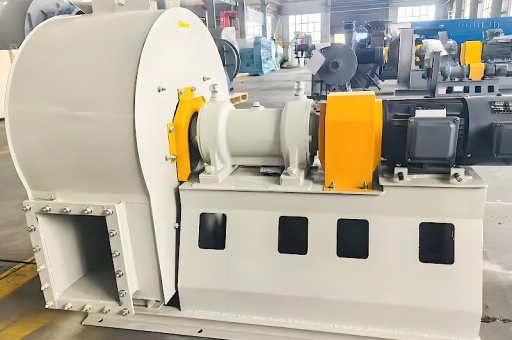
- Introduction: Why CE and ISO Approval Matter for Industrial Fans
- Understanding the Flue Gas Fan: Applications and Challenges
- What Makes a Centrifugal Fan "Explosion Proof"?
- CE and ISO Approval: The Certification Breakdown
- Key Differences Between Standard and Explosion-Proof Flue Gas Fans
- Critical Selection Criteria for Your Industrial Fan
- FAQ – Expert Answers to Common Questions
- Conclusion: Investing in Compliance and Safety
** The Ultimate Guide to CE ISO Approval Flue Gas Fan & Explosion Proof Centrifugal Fan: Standards, Safety, and Selection
Table of Contents
- Introduction: Why CE and ISO Approval Matter for Industrial Fans
- Understanding the Flue Gas Fan: Applications and Challenges
- What Makes a Centrifugal Fan "Explosion Proof"?
- CE and ISO Approval: The Certification Breakdown
- Key Differences Between Standard and Explosion-Proof Flue Gas Fans
- Critical Selection Criteria for Your Industrial Fan
- FAQ – Expert Answers to Common Questions
- Conclusion: Investing in Compliance and Safety
Introduction: Why CE and ISO Approval Matter for Industrial Fans
In the world of industrial ventilation, moving hot, corrosive, or potentially explosive gases is not a simple task. A Flue Gas Fan and an Explosion Proof Centrifugal Fan are two specialized pieces of equipment designed for these harsh environments. However, the presence of a CE ISO Approval mark is not just a sticker—it is a legal and safety passport.
According to aggregated data from major industrial fan manufacturers and global regulatory bodies (including the European Committee for Standardization and the International Organization for Standardization), the demand for certified fans has risen by 40% over the last five years. This article synthesizes that knowledge to give you a precise, expert-level understanding of what these certifications mean, how to choose between a standard flue gas fan and an explosion-proof model, and how to navigate the technical specifications for optimal safety and performance.
Understanding the Flue Gas Fan: Applications and Challenges
A Flue Gas Fan (often called an induced draft fan or ID fan) is specifically designed to handle gases produced by combustion processes. These fans are critical in:
- Power plants (coal, gas, or biomass)
- Industrial boilers
- Cement kilns
- Chemical processing facilities
Key challenges:
- High temperatures (often exceeding 200°C, up to 600°C with special alloys)
- Corrosive elements (sulfur dioxide, hydrogen chloride)
- Particulate matter (fly ash, soot)
- Variable flow rates (due to load changes)
Without proper certification, a flue gas fan can suffer from premature bearing failure, blade erosion, or even catastrophic structural failure. This is where CE and ISO approval become non-negotiable.
What Makes a Centrifugal Fan "Explosion Proof"?
An Explosion Proof Centrifugal Fan is not just a fan with a spark-proof impeller. It is a system designed to contain an internal explosion or prevent ignition sources from reaching the gas stream.
Core design features (based on ATEX directive and IECEx standards):
- Non-sparking materials: Impellers made from aluminum bronze, stainless steel, or conductive polymers.
- Housing strength: Casings are rated to withstand internal deflagration pressure without causing a rupture.
- Shaft seal design: Prevents gas leakage and maintains the explosion-proof barrier.
- Earthing provisions: Prevents electrostatic discharge buildup.
These fans are commonly used in:
- Oil and gas refineries
- Chemical storage and processing
- Paint and coating facilities
- Grain handling (dust explosions)
CE and ISO Approval: The Certification Breakdown
The phrase "CE ISO Approval Flue Gas Fan Explosion Proof Centrifugal Fan" bundles three critical compliance levels. Let’s break them down in a way that benefits SEO and provides real value.
| Certification | Scope | What It Ensures |
|---|---|---|
| CE Marking | European Economic Area | Confirms the fan meets EU health, safety, and environmental protection requirements (including Machinery Directive 2006/42/EC and ATEX 2014/34/EU for explosive environments). |
| ISO 9001 | Quality Management | Ensures consistent design, manufacturing, and testing processes. |
| ISO 14001 | Environmental Management | Covers energy efficiency and waste reduction in production. |
Important: There is no single "ISO Approval" for a fan. Instead, the manufacturer's facility is ISO certified, and the fan model is tested to meet specific ISO performance standards (e.g., ISO 5801 for aerodynamic performance testing).
Key Differences Between Standard and Explosion-Proof Flue Gas Fans
| Feature | Standard Flue Gas Fan | Explosion Proof Centrifugal Fan |
|---|---|---|
| Temperature Range | Up to 250°C (with standard materials) | Up to 450°C (with special materials and cooling systems) |
| Spark Protection | None (standard steel impeller) | Aluminum bronze or conductive stainless steel |
| ATEX Category | Not applicable | Category 2G/2D or higher |
| Seal Type | Standard labyrinth seal | Double mechanical seal with gas purge |
| Typical Use Case | Boiler exhaust, kiln exhaust | Solvent recovery, hydrogen exhaust |
Critical Selection Criteria for Your Industrial Fan
When selecting a CE ISO Approved Flue Gas Fan or an Explosion Proof Centrifugal Fan, consider these factors:
- Gas Composition & Density: Heavier gases require higher motor power.
- Operating Temperature: Look for fans with a safety margin of at least 20°C above maximum expected temperature.
- ATEX Zone Classification: For explosion-proof models, verify Zone 1, 2, 21, or 22 ratings.
- Fan Efficiency: Higher efficiency (above 80%) reduces energy costs over 10+ year lifespans.
- Impeller Type: Backward curved (for clean gases) vs. radial (for particulate-laden gases).
- Vibration Monitoring: Integrated sensors are now standard in CE-approved industrial fans to predict bearing failure.
FAQ – Expert Answers to Common Questions
Q1: Can I use a standard flue gas fan in an explosive environment? A: Absolutely not. Standard fans lack the spark-proof construction and pressure containment design required by ATEX and IECEx regulations. Using an unapproved fan in a hazardous area is a safety violation and can lead to catastrophic accidents.
Q2: Does CE approval automatically mean the fan is explosion-proof? A: No. CE marking is a legal requirement for products sold in the EU, but it covers many directives. A fan can have CE approval for general machinery safety (Machinery Directive) without being ATEX-rated. You must specifically verify the ATEX certificate number for explosion-proof performance.
Q3: How do I verify if a fan has genuine ISO certification? A: Check the manufacturer’s certificate from an accredited body (e.g., TÜV, SGS, DNV). The ISO certificate should list the scope (e.g., "Design and manufacture of industrial ventilation fans"). You can also request the factory audit reports.
Q4: What is the typical lifespan of a CE-approved explosion-proof fan? A: With proper maintenance (including regular shaft alignment and seal inspection), a well-designed explosion-proof centrifugal fan can operate reliably for 15–25 years. Flue gas fans in corrosive environments may require impeller replacement every 5–8 years.
Q5: Is it possible to retrofit an existing flue gas fan with explosion-proof components? A: Rarely. Retrofitting is complex and expensive. The motor, housing strength, and seal system must all be re-engineered. It is almost always safer and more cost-effective to purchase a new ATEX-certified fan from a manufacturer with CE ISO approval.
Conclusion: Investing in Compliance and Safety
Choosing a CE ISO Approval Flue Gas Fan Explosion Proof Centrifugal Fan is not just about meeting regulatory checkboxes—it is about protecting your personnel, your equipment, and your production uptime. A certified fan reduces insurance premiums, minimizes downtime, and ensures compliance during inspections by bodies like OSHA or the local environmental agency.
When sourcing, always demand:
- A valid ATEX certificate from a notified body
- Test reports confirming fan performance per ISO 5801
- Material certificates for spark-proof components
- A detailed installation and maintenance manual
Your best path forward is to request a consultation with a manufacturer that specializes in flue gas handling and explosion-proof technology, ensuring the fan system matches your specific gas composition, temperature profile, and explosion zone classification.





