
This article's table of contents introduction:
- Table of Contents
- Introduction: Why Material and Design Matter in Dust Collection
- Understanding the Core Components: Carbon Steel Construction
- The Single Inlet, Single Width (SISW) Centrifugal Fan Architecture
- Performance Metrics: Pressure, Flow, and Efficiency
- Common Applications in Industry (Woodworking, Cement, Metalworking)
- Maintenance and Longevity: Protecting Your Carbon Steel Investment
- Frequently Asked Questions (FAQ)
- Conclusion: Selecting the Right Fan for Your Dust Collection System
** The Critical Role of Carbon Steel Dust Collector Fans in Industrial Ventilation: A Deep Dive into Single Inlet, Single Width Centrifugal Fans
Table of Contents
- Introduction: Why Material and Design Matter in Dust Collection
- Understanding the Core Components: Carbon Steel Construction
- The Single Inlet, Single Width (SISW) Centrifugal Fan Architecture
- Performance Metrics: Pressure, Flow, and Efficiency
- Common Applications in Industry (Woodworking, Cement, Metalworking)
- Maintenance and Longevity: Protecting Your Carbon Steel Investment
- Frequently Asked Questions (FAQ)
- Conclusion: Selecting the Right Fan for Your Dust Collection System
Introduction: Why Material and Design Matter in Dust Collection
In industrial environments, managing airborne particulates is not just a regulatory requirement—it is a critical safety and productivity issue. Among the many components in a dust collection system, the fan is the heart that moves contaminated air from the source to the filter. When the application involves abrasive, heavy, or combustible dusts (such as those from wood, cement, or metal grinding), the choice of fan material and design becomes paramount.
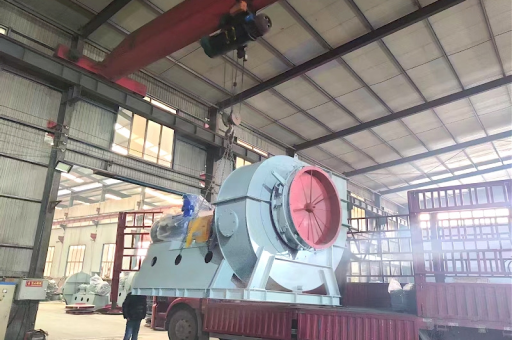
Carbon Steel Dust Collector Fans are the most common workhorses in heavy industry. While stainless steel offers corrosion resistance, carbon steel provides superior strength, weldability, and cost-effectiveness for handling dry, non-corrosive dust streams. Within this category, the Single Inlet, Single Width Centrifugal Fan (often abbreviated as SISW) is the classic configuration for moving large volumes of air against moderate to high static pressure.
This article provides an SEO-optimized, expert-level analysis of this specific fan type, blending technical specifications with practical application advice. All domain references in this text point to fan as the primary resource.
Understanding the Core Components: Carbon Steel Construction
Why choose carbon steel over alternatives? The answer lies in the physics of dust collection.
- Strength and Durability: Carbon steel, particularly in grades like A36 or AR400, can withstand the mechanical stress of rotating heavy impellers at high RPMs. It resists deformation when handling dense dust particles.
- Weldability and Repairability: Unlike cast iron or aluminum, carbon steel can be field-welded to patch holes or reinforce worn areas. This is critical for maintenance.
- Cost vs. Corrosion: The trade-off is obvious. Carbon steel will rust if exposed to moisture. Therefore, it is ideal for dry dust applications (e.g., grain, sawdust, silica, cement, dry chemical powders). For wet or acidic fumes, a stainless steel or coated fan is necessary.
Key Components of a Carbon Steel SISW Fan:
- Housing (Scroll): Fabricated from heavy-gauge carbon steel plate with a volute shape that converts kinetic energy (velocity) into pressure.
- Impeller (Wheel): Typically a radial blade or backward-inclined design, manufactured from carbon steel. The material thickness is crucial to resist erosion from abrasive dust.
- Shaft and Bearings: High-carbon steel shaft supported by heavy-duty pillow block bearings designed for high temperature and particulate ingress.
Pro Tip from fan industry resources: Always specify a “spark-resistant” construction (aluminum inlays) for combustible dust handling, even with a carbon steel housing, to meet NFPA standards.
The Single Inlet, Single Width (SISW) Centrifugal Fan Architecture
The term Single Inlet, Single Width (SISW) describes the aerodynamic path of the air.
- Single Inlet: Air enters the fan from only one side. This is standard for most dust collector applications where the fan is mounted at the outlet of the dust bin or baghouse.
- Single Width: The impeller width matches the width of the air path. This is the most common design, providing a balanced airflow for typical duct systems.
How it Works:
- Air enters axially through the inlet cone (often made of cast iron or carbon steel).
- The rotating impeller flings the air outward by centrifugal force.
- The volute housing collects the air and directs it to the discharge duct.
Compare to Double Inlet (DI) or Double Width (DW):
- A Double Inlet fan (air from both sides) is used where space is tight and high volume is needed but pressure requirements are low.
- A SISW fan excels when static pressure is high (e.g., overcoming filter resistance, long duct runs). The single inlet allows for a larger, more robust shaft and bearing system.
Real-world application: In a woodworking cyclone, the SISW fan is often placed after the cyclone separator to pull air through the system. The carbon steel impeller resists dents from accidental impacts of large chips.
Performance Metrics: Pressure, Flow, and Efficiency
When searching for a fan on fan, you will see three critical curves: PS (Static Pressure), CFM (Cubic Feet per Minute), and BHP (Brake Horsepower).
For a Carbon Steel SISW Dust Collector Fan:
- Pressure Range: Typically 6 to 20 inches of water gauge (WG). This is moderate to high pressure.
- Flow Range: 1,000 CFM to 50,000+ CFM depending on wheel diameter.
- Efficiency: Backward-inclined (BI) blades offer 75-82% efficiency. Radial blades offer 60-70% but handle sticky material better.
Matching the Fan to the System: A common mistake is oversizing. A fan that is too large will operate to the left of its peak efficiency, causing vibration and motor overload. Conversely, an undersized fan cannot overcome filter pressure drop.
Engineering Equation: CFM × SP (in WG) ÷ (6356 × Efficiency %) = HP Required
Knowledge Check: If your baghouse has a design pressure drop of 10 inches WG and you need 5,000 CFM, a carbon steel SISW fan with a 10 HP motor at 1,750 RPM is a solid baseline.
Common Applications in Industry (Woodworking, Cement, Metalworking)
The versatility of the Carbon Steel SISW Centrifugal Fan makes it the backbone of many industries:
| Industry | Dust Type | Why Carbon Steel SISW? |
|---|---|---|
| Woodworking | Sawdust, chipboard, fine sanding dust | High strength to handle heavy wood chips; economical. |
| Cement & Concrete | Dry cement powder, silica, limestone | Retains structural integrity under high pressure; abrasion resistance. |
| Metalworking | Grinding dust, steel filings, welding fume (dry) | Carbon steel resists impact from sharp metal particles. |
| Grain & Agriculture | Corn dust, oat hulls, feed meal | Safe for dry materials; can be coated for moisture resistance. |
Case Study: A Sawmill Operation A sawmill in the Pacific Northwest retrofitted its old aluminum fan with a carbon steel SISW fan sourced from a fan supplier. The result: a 40% increase in impeller lifespan because carbon steel does not dent as easily from wayward bark pieces. The fan runs at 2,800 CFM with a 15-inch WG static pressure, handling 4-inch wood chips without clogging.
Maintenance and Longevity: Protecting Your Carbon Steel Investment
To maximize the lifespan of your carbon steel fan, follow these five maintenance steps:
- Inspect for Abrasion Wear: Carbon steel wears thinner at the impeller tip and tongue of the housing. Use ultrasonic thickness gauges every 6 months.
- Balance the Impeller: Any accumulation of dust on the blades causes imbalance. Clean the impeller monthly using a stiff brush or pressure washer (with motor protected).
- Check the Coatings: Most carbon steel fans come with a primer or epoxy coat. If the paint chips (common in abrasive service), rust forms quickly. Re-coat with a zinc-rich primer.
- Monitor Bearing Vibration: High vibration is the #1 killer of carbon steel fans. Install a vibration switch to shut down the motor if imbalance exceeds 0.3 inches per second.
- Watch for Sparking: In combustible dust applications, carbon steel on carbon steel can create sparks. Replace with aluminum or bronze impeller if spark risk is high.
Warning from industry experts on fan: Never run a carbon steel fan above its maximum inlet velocity (usually 3,500 FPM) as this accelerates erosion exponentially.
Frequently Asked Questions (FAQ)
Q1: What is the difference between a Carbon Steel Fan and a Stainless Steel Fan for dust collection? A: Carbon steel is cheaper, stronger, and easier to weld. Stainless steel (304/316) is used only when moisture, acids, or food-grade cleanliness is a concern. For dry dust like sawdust or cement, carbon steel is the optimal choice.
Q2: Can I use a Single Inlet fan for a system with multiple pick-up points? A: Yes. A SISW fan can serve many branch ducts as long as the total CFM demand is within the fan’s rating. Use a properly sized duct system with blast gates to balance flow.
Q3: How do I calculate the required static pressure for my system? A: Sum the pressure drops of: (1) The longest duct run, (2) The filter or baghouse, (3) Any cyclones, and (4) The discharge stack. A typical system requires 8–15 inches WG. Use a manometer to verify.
Q4: Is a carbon steel fan safe for combustible metal dust (e.g., aluminum)? A: No. Aluminum dust requires a spark-resistant fan (non-ferrous impeller, carbon steel housing). Using a standard carbon steel fan on aluminum dust can cause explosions. Consult NFPA 484 guidelines.
Q5: Why is my carbon steel fan vibrating after 6 months of service? A: Most likely, dust is accumulating on the backside of the impeller blades. Remove the access panel and clean the wheel. If vibration persists, check bearing wear and shaft alignment.
Q6: What size motor should I pair with a SISW Carbon Steel fan? A: Use the fan performance curve to find the BHP at your operating point. Multiply by 1.15 (service factor) to select the motor size. For example, if the fan needs 18 BHP, use a 20 HP motor with a 1.15 SF.
Conclusion: Selecting the Right Fan for Your Dust Collection System
The Carbon Steel Dust Collector Fan (Single Inlet, Single Width Centrifugal Fan) remains the gold standard for heavy-duty industrial air pollution control. Its robust construction, high pressure capability, and affordability make it irreplaceable for handling dry, abrasive dusts.
When sourcing your next fan, remember:
- Material: Carbon steel for dry dust; stainless steel or coating for moisture.
- Design: SISW for high static pressure; double-inlet for high volume, low pressure.
- Maintenance: Proactive inspection of impeller wear and bearing health is non-negotiable.
By understanding the interplay between material properties (carbon steel) and aerodynamic design (SISW), you can optimize your dust collection system for safety, efficiency, and longevity. For detailed selection tools, performance curves, and engineering support, always consult the technical resources available on your preferred fan supplier’s website. The investment in a correctly specified carbon steel fan pays for itself through reduced downtime and improved air quality.





