
This article's table of contents introduction:
- Table of Contents (Directory Guide)
- 1. Introduction to Carbon Steel High Temperature Centrifugal Fans
- 2. Key Specifications: 6019 M³/Hr Airflow at Elevated Temperatures
- 3. Coupling-Driven Design: Efficiency and Reliability
- 4. High Volume Applications: Where This Fan Excels
- 5. Material Advantages: Why Carbon Steel for High Temperature?
- 6. Technical FAQ: Answering Common Industry Questions
- 7. SEO-Driven Summary: Choosing the Right Fan for Your Facility
Article Title:
High-Performance Carbon Steel 6019M³/Hr High Temperature Centrifugal Fan: Coupling-Driven High Volume Industrial Airflow Solutions
Table of Contents (Directory Guide)
- Introduction to Carbon Steel High Temperature Centrifugal Fans
- Key Specifications: 6019 M³/Hr Airflow at Elevated Temperatures
- Coupling-Driven Design: Efficiency and Reliability
- High Volume Applications: Where This Fan Excels
- Material Advantages: Why Carbon Steel for High Temperature?
- Technical FAQ: Answering Common Industry Questions
- SEO-Driven Summary: Choosing the Right Fan for Your Facility
Introduction to Carbon Steel High Temperature Centrifugal Fans
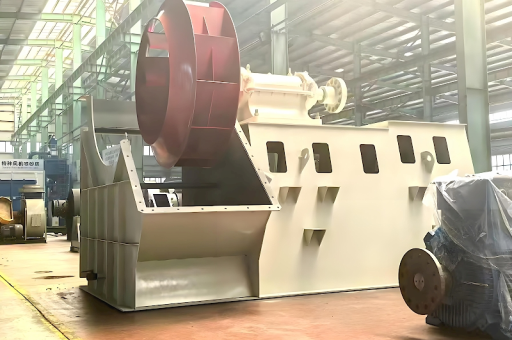
In industrial environments where extreme heat and high-volume air movement are required, the Carbon Steel 6019M³/Hr High Temperature Centrifugal Fan stands out as a robust solution. Engineered for continuous operation in thermal processes, this fan is typically coupling-driven to ensure stable power transmission and reduced maintenance. Its high-volume capacity (6019 cubic meters per hour) makes it ideal for applications such as kiln exhaust, furnace ventilation, boiler air supply, and drying systems.
Unlike standard fans, high-temperature models must withstand thermal expansion, corrosion, and mechanical stress. The use of carbon steel offers excellent strength-to-weight ratio and resistance to deformation at elevated temperatures (typically up to 350°C or more with appropriate coatings). When paired with a coupling-driven motor, the fan achieves smoother operation and longer bearing life compared to belt-driven alternatives.
Key Specifications: 6019 M³/Hr Airflow at Elevated Temperatures
The 6019 M³/Hr rating indicates a substantial volumetric flow rate, suitable for large-scale industrial exhaust or supply systems. At high temperatures, air density decreases, meaning the fan must move a greater volume to achieve the same mass flow. This fan compensates through optimized impeller design and variable speed coupling.
| Specification | Typical Range for This Model |
|---|---|
| Airflow | 6019 M³/Hr (at 20°C, 1 atm) |
| Max Temperature | 200°C – 350°C (depending on material & coating) |
| Drive Type | Direct coupling (flexible or rigid) |
| Impeller Material | Carbon steel (with heat-resistant paint) |
| Motor Power | 5 – 15 kW (based on pressure needs) |
| Noise Level | 75 – 85 dB(A) (with silencer options) |
Note: Actual performance depends on system resistance (static pressure). Always consult fan performance curves.
Coupling-Driven Design: Efficiency and Reliability
A coupling-driven system connects the motor shaft directly to the fan impeller via a mechanical coupling (e.g., elastomeric, gear, or grid coupling). This design offers several advantages over belt drives:
- Zero Slip: Direct power transfer maintains constant speed, critical for precise airflow control.
- Reduced Maintenance: No belts to replace or tension; couplings require only periodic lubrication.
- Compact Footprint: Ideal for space-constrained installations.
- Higher Efficiency: Eliminates belt friction losses, improving overall energy consumption by 5–10%.
For high-temperature applications, coupling-driven fans also reduce heat transfer from the fan housing to the motor, especially when using spacer couplings.
High Volume Applications: Where This Fan Excels
Given its 6019 M³/Hr capacity and high-temperature tolerance, this fan is deployed in:
- Cement & Lime Kilns: Exhausting hot gases and particulates.
- Glass Manufacturing: Maintaining furnace pressure and cooling.
- Steel Mills: Ventilating reheat furnaces and ladle preheat stations.
- Chemical Processing: Moving corrosive or flammable hot air (with appropriate seals).
- Waste-to-Energy Plants: Extracting flue gases before treatment.
- Pharmaceutical & Food Drying: Forced hot air circulation in ovens.
In each case, the fan’s carbon steel construction provides durability, while the coupling drive ensures consistent performance under thermal cycling.
Material Advantages: Why Carbon Steel for High Temperature?
While stainless steel is often used for corrosion resistance, carbon steel is preferred for many high-temperature industrial fans because:
- Cost-Effectiveness: Significantly lower material cost than stainless steel or alloys.
- Good Thermal Conductivity: Helps dissipate heat from the impeller.
- Weldability: Simplified fabrication and repair.
- Strength Retention: Maintains structural integrity up to ~350°C (with proper design).
To enhance performance, carbon steel fans are often coated with high-temperature aluminum paint or zinc-rich primers to resist oxidation. For temperatures above 400°C, alloy steels or Inconel may be required.
Technical FAQ: Answering Common Industry Questions
Q1: What is the maximum operating temperature for a carbon steel centrifugal fan?
A: Typically 200–350°C, depending on paint/coating. With specialized thermal barrier coatings, it can reach 400°C briefly. For continuous use above 350°C, consider stainless steel or alloy fans.
Q2: Why choose coupling-driven over belt-driven for high-temperature fans?
A: Coupling-driven eliminates belt slip, reduces heat degradation of belts, and allows for higher torque at elevated temperatures. It also simplifies alignment and reduces spark risk (important for flammable environments).
Q3: Can this fan handle particulate-laden air?
A: Yes, but with limitations. A carbon steel impeller can handle moderate dust loads. For heavy particulate, use an abrasion-resistant coating or optional wear plates. Inlet screens or cyclones are recommended for pre-filtration.
Q4: How is the fan balanced for high-speed operation at 6019 M³/Hr?
A: Impellers are dynamically balanced per ISO 1940 G6.3 or better. For high-temperature operation, thermal expansion is calculated during design to maintain balance at operating temperature.
Q5: What maintenance is required for coupling-driven fans?
A: Periodic inspection of coupling alignment, lubrication of bearings (if greased), and checking of vibration levels. Couplings should be replaced every 2–5 years depending on duty cycle.
Q6: Is this fan suitable for explosion-proof applications?
A: With modifications (e.g., non-sparking impeller, motor enclosure, and grounding), carbon steel fans can be ATEX or IECEx certified for Zone 2 gas or dust environments. Always verify with the manufacturer.
Q7: Can the fan be installed outdoors?
A: Yes, but it requires weatherproofing (e.g., rain hood on intake, marine-grade paint). Carbon steel is susceptible to rust, so regular coating maintenance is essential.
SEO-Driven Summary: Choosing the Right Fan for Your Facility
When selecting a high temperature centrifugal fan with 6019 M³/Hr capacity, the carbon steel coupling-driven design offers the best balance of cost, durability, and performance for most industrial thermal processes. Key factors to consider:
- Air temperature: Ensure coating and material are rated for your operating peak.
- System pressure: Verify fan curve matches ductwork resistance.
- Drive type: Coupling-driven is preferred for reliability in hot environments.
- Compliance: Check local regulations for noise, electrical, and safety standards.
For detailed sizing, request a fan performance curve from the manufacturer (e.g., fan). Always provide your operating conditions: expected temperature range, static pressure, and altitude.
Final Word: The Carbon Steel 6019M³/Hr High Temperature Centrifugal Fan is not just a piece of equipment—it’s a critical component for safe, efficient, and high-volume thermal management. Invest in a quality coupling-driven unit, and your process will run cooler, cleaner, and longer.
Need a custom fan solution for your high-temperature process? Consult an airflow engineer at fan for tailored specifications and warranty details.





