
This article's table of contents introduction:
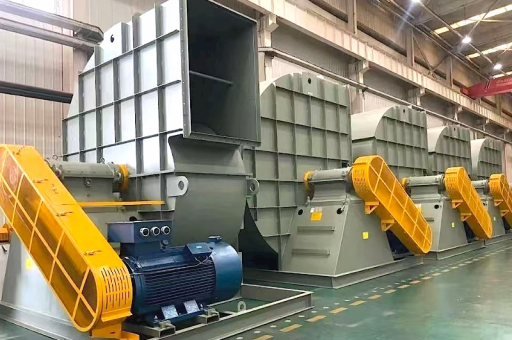
- Introduction: The Backbone of Industrial Drying Systems
- Understanding Stainless Steel Coupling: Material Science & Mechanical Advantage
- The Driving Mechanism: How Centrifugal Fans Move Drying Materials
- Heavy-Duty Centrifugal Fans: Design, Performance & Application
- The Synergy: Stainless Steel Coupling + Fan = Reliable Drying
- Common Questions & Expert Answers (Q&A)
- Maintenance Best Practices for Longevity
- Conclusion: Optimizing Your Drying Line with the Right Coupling
** Mastering Heavy-Duty Industrial Ventilation: The Role of Stainless Steel Coupling in Driving Materials Drying with Centrifugal Fans
Table of Contents
- Introduction: The Backbone of Industrial Drying Systems
- Understanding Stainless Steel Coupling: Material Science & Mechanical Advantage
- The Driving Mechanism: How Centrifugal Fans Move Drying Materials
- Heavy-Duty Centrifugal Fans: Design, Performance & Application
- The Synergy: Stainless Steel Coupling + Fan = Reliable Drying
- Common Questions & Expert Answers (Q&A)
- Maintenance Best Practices for Longevity
- Conclusion: Optimizing Your Drying Line with the Right Coupling
Introduction: The Backbone of Industrial Drying Systems
In modern industrial processing, the demand for efficient, continuous, and contamination-free drying is relentless. Whether you are drying agricultural grains, mineral powders, chemical pellets, or recycled plastics, the mechanical integrity of your air-moving equipment directly dictates throughput and product quality. At the heart of this system lies a critical but often overlooked component: the Stainless Steel Coupling. When specifically applied to Driving Materials Drying Heavy Duty Centrifugal Fans, this coupling becomes the unsung hero—transmitting torque from motor to fan while resisting corrosion, heat, and vibration. This article dissects the engineering behind this synergy, offering actionable insights for plant engineers and procurement managers.
Understanding Stainless Steel Coupling: Material Science & Mechanical Advantage
A Stainless Steel Coupling is a mechanical device used to connect two rotating shafts—typically a motor shaft and a fan impeller shaft. Its primary job is to transmit power (driving materials) while accommodating minor misalignment and absorbing shock loads.
Why Stainless Steel?
- Corrosion Resistance: In drying environments, moisture and volatile organic compounds (VOCs) are ever-present. Stainless steel (grades 304 or 316) resists pitting and rust, ensuring the coupling does not weaken over time.
- High Strength-to-Weight Ratio: It can handle high torque without adding excessive inertia to the system.
- Thermal Stability: Dryers often operate at elevated temperatures (80°C to 200°C). Stainless steel maintains its mechanical properties better than carbon steel or aluminum.
Types Used in Fan Drives:
- Jaw Couplings with Spider Insert: For moderate misalignment and vibration damping; the stainless steel hubs protect the spider from chemical attack.
- Disc or Diaphragm Couplings: Ideal for high-speed, high-torque heavy-duty centrifugal fans where zero-backlash and maintenance-free operation are required.
- Gear Couplings: For extreme torque and large shaft separations; stainless steel sleeves prevent corrosion in wet exhaust streams.
The choice of coupling directly affects the driving materials – the fan rotor – by dictating how smoothly and reliably energy transfers from the motor.
The Driving Mechanism: How Centrifugal Fans Move Drying Materials
A Heavy Duty Centrifugal Fan converts rotational energy from a motor into kinetic energy in the air stream. This air stream is the vehicle for driving materials through the drying process.
The Flow Path:
- Inlet: Moist material enters the drying chamber. The fan draws ambient or heated air.
- Impeller (Wheel): The fan impeller, spinning at high RPM, accelerates the air radially outward.
- Scroll Housing: The air velocity is converted into pressure.
- Outlet: High-velocity, high-pressure air sweeps over the material, evaporating moisture and conveying the dried product downstream (to a cyclone, baghouse, or next processing stage).
Why "Driving Materials" Matters: In pneumatic conveying dryers (e.g., flash dryers or ring dryers), the fan is not just moving air—it is physically pushing the material through ducts. If the coupling fails, the impeller stops, the material stagnates, and the entire batch can be ruined. A Stainless Steel Coupling ensures that this driving action never falters, even under dusty, hot, or chemically aggressive conditions.
Heavy-Duty Centrifugal Fans: Design, Performance & Application
Heavy Duty Centrifugal Fans are engineered for 24/7 operation in demanding industries. Unlike light-duty HVAC fans, they feature:
- Reinforced Housings: Made from heavy-gauge steel (often stainless or coated) to withstand abrasion from dry particles.
- High-Strength Impellers: Backward-curved or radial-tip blades for efficiency and material handling.
- Shaft Seals: To prevent moisture ingress into bearings.
- Oversized Bearings: To handle the weight of large wheels and radial loads.
Key Performance Parameters:
- Airflow (CFM): Determines drying capacity.
- Static Pressure (in. wg): Determines ability to overcome duct resistance and material load.
- Operating Temperature: Some units exceed 600°F (315°C).
These fans are used in:
- Food processing (spray drying, conveyor dryers)
- Chemical manufacturing (catalyst drying)
- Wood processing (pellet drying)
- Wastewater treatment (sludge drying)
In every case, the connection between motor and fan is the most stressed mechanical joint—making the Stainless Steel Coupling a critical reliability component.
The Synergy: Stainless Steel Coupling + Fan = Reliable Drying
The combination of a Stainless Steel Coupling and a Heavy Duty Centrifugal Fan creates a system that is greater than the sum of its parts. Here is why:
| Aspect | Without Stainless Steel Coupling | With Stainless Steel Coupling |
|---|---|---|
| Corrosion Resistance | Carbon steel coupling rusts from condensation, causing imbalance. | Stainless hub and insert resist moisture and chemical attack. |
| Vibration Control | Standard couplings may crack under thermal expansion. | Stainless maintains flexibility and dampens vibration. |
| Torque Transmission | Reduced by wear from dust ingress. | Precision-machined stainless surfaces maintain grip. |
| Maintenance Frequency | Every 3-6 months (cleaning, lubricating). | Every 12-18 months (inspection only). |
Real-World Case: A plastics resin drying plant switched from carbon steel jaw couplings to stainless steel couplings on their heavy-duty centrifugal fans. They reduced unplanned downtime by 73% over two years, directly improving driving materials throughput. The couplings resisted the acidic off-gassing from moist PET pellets, which had previously caused rust contamination and shaft fretting.
Common Questions & Expert Answers (Q&A)
Q1: Can I use a standard steel coupling on a drying fan if I coat it with paint? A: Not recommended. Painted carbon steel couplings will eventually chip and corrode, especially at the keyway and bores. Stainless steel provides homogenous corrosion resistance—no coating to fail. For drying applications where moisture and heat cycle daily, stainless is the only reliable choice.
Q2: What type of stainless steel coupling is best for heavy-duty centrifugal fans? A: For most heavy duty centrifugal fans, a stainless steel jaw coupling with a polyurethane or Hytrel spider provides an excellent balance of torque capacity, misalignment tolerance, and vibration damping. For extremely high torque (above 10,000 lb-in) or shaft speeds over 3600 RPM, a stainless steel disc coupling is superior.
Q3: Does the coupling affect the efficiency of driving materials in the dryer? A: Indirectly, yes. A worn or misaligned coupling causes vibration, which increases bearing friction and reduces fan efficiency. More importantly, a sudden coupling failure stops material flow entirely. A properly selected stainless steel coupling ensures continuous, efficient driving materials through the system.
Q4: How do I select the right size for my fan? A: Calculate the horsepower and RPM of your motor. Then refer to the coupling manufacturer’s torque rating charts. Always leave a 20-25% safety factor. Also, measure the shaft diameters and space between shaft ends (shaft gap) to ensure proper fit. For drying fans handling abrasive materials, consider a larger coupling than theoretically required to extend service life.
Q5: Is stainless steel coupling maintenance-free? A: Nearly. Jaw couplings require occasional spider insert replacement (every 1-2 years depending on temperature). Disc couplings are generally maintenance-free for 3-5 years. The stainless steel hubs themselves do not rust, so you only need to monitor for wear at the insert or disc pack.
Maintenance Best Practices for Longevity
To maximize the life of your stainless steel coupling in a heavy duty centrifugal fan driving materials through a dryer:
- Align Carefully: Even stainless steel couplings have limits. Use a laser alignment tool during installation and after any motor replacement. Misalignment is the #1 cause of premature coupling failure.
- Check the Spider/Insert: For jaw couplings, inspect the elastomeric spider for wear, cracks, or hardening. Replace before it disintegrates—a failed spider causes metal-on-metal contact and increased vibration.
- Lubricate Properly: Gear or grid couplings need lubrication. Use a high-temperature, moly-based grease. Do not over-grease—it can cause overheating.
- Monitor Temperature: Use an infrared thermometer to check coupling surface temperature during operation. A sudden rise indicates friction or misalignment.
- Inspect for Fretting: Although stainless steel resists corrosion, it can still suffer fretting wear (micro-motion between shaft and bore). If you see reddish dust (oxide), re-torque the set screws or keyway.
- Keep Spares: Maintain a spare spider insert and a set of stainless steel set screws in your maintenance crib. Downtime waiting for parts is expensive.
Conclusion: Optimizing Your Drying Line with the Right Coupling
The stainless steel coupling is far more than a simple connector—it is a strategic component that ensures the driving materials in your materials drying process receive consistent, reliable power from your heavy duty centrifugal fans. By choosing stainless steel over carbon steel, you invest in corrosion resistance, thermal stability, and reduced maintenance. When coupled (pun intended) with proper alignment and periodic inspection, this combination delivers the uptime and efficiency that modern production lines demand.
For any engineer overseeing a drying system—whether for food, chemicals, minerals, or plastics—the takeaway is clear: do not underestimate the small part that makes the big fan spin. Specify stainless steel couplings, and let your fans drive your materials without interruption.
This article provides general guidance. Always consult fan and coupling manufacturer specifications for your specific application requirements.





